6 Steps to Install a Garden Fogger System
The first wisps of fog drifting through a mid-morning garden transform the space into a microclimate laboratory. Installing a mist or fog system delivers precise humidity control for propagation benches, fern grottos, and tropical understory plants that demand 70-85% relative humidity. The steps for installing a garden fogger system require attention to water quality, pressure regulation, and nozzle placement to avoid fungal outbreaks while maintaining the leaf-surface moisture that drives stomatal function in humidity-dependent species.
Materials
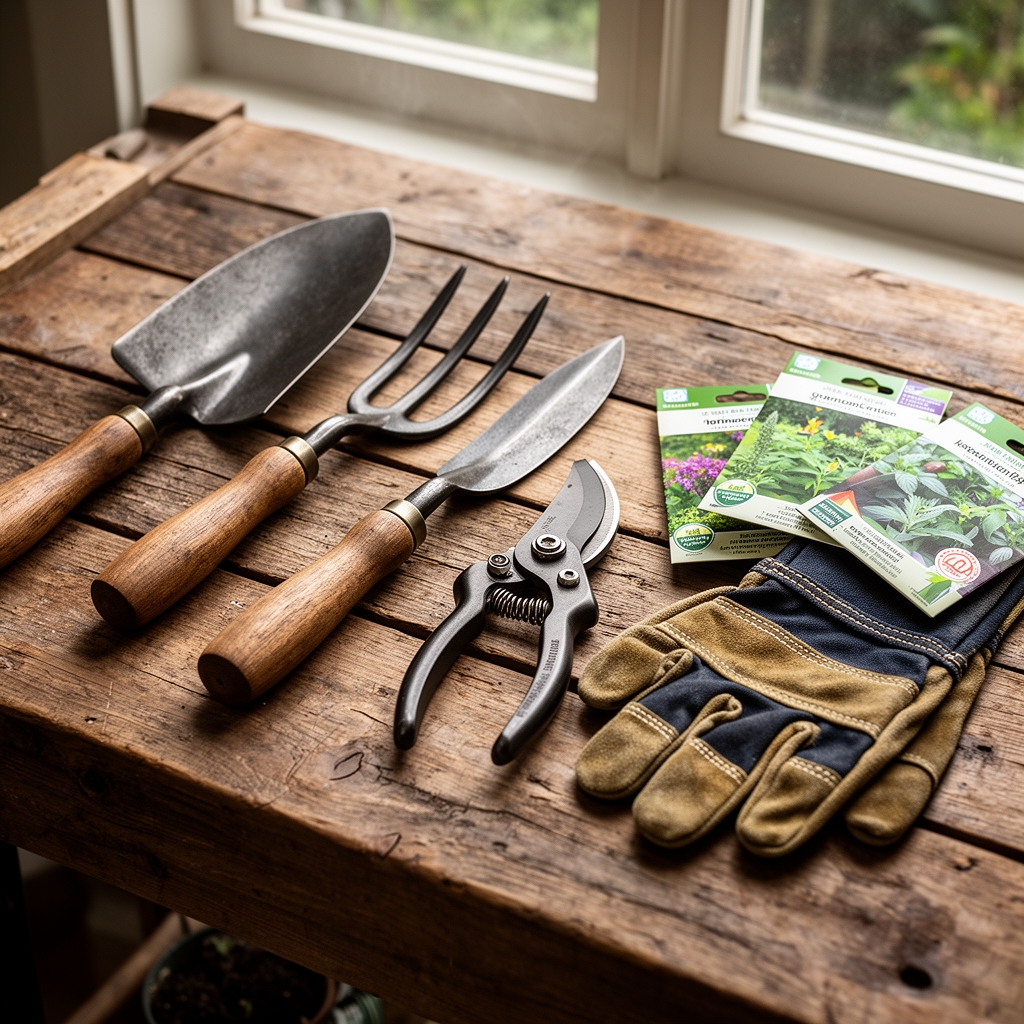
A complete fogger system begins with a high-pressure pump rated for 800-1000 PSI. Standard garden hoses operate at 40-60 PSI, insufficient to atomize water into particles below 10 microns. Select brass or stainless-steel fog nozzles with orifice diameters of 0.008-0.012 inches. These nozzles deliver 0.5-1.0 gallon per hour at operating pressure.
Install a reverse-osmosis filter or demineralizer upstream of the pump. Municipal water with total dissolved solids above 150 ppm leaves white calcium and magnesium deposits on foliage, blocking stomata and reducing photosynthetic efficiency. The cation exchange capacity of leaf surfaces cannot buffer heavy mineral loads.
Use UV-resistant polyethylene tubing rated for high-pressure applications. Standard drip-irrigation line collapses under fogger pressures. Tubing diameter should match pump output, typically 1/4 inch for residential systems. Include a pressure regulator, timer with multiple daily cycles, and check valves at each nozzle to prevent drip-back when the system shuts off.
For nutrient supplementation in propagation applications, choose a water-soluble fertilizer at 1-1-1 or 2-2-2 NPK ratio. Apply at 50-75 ppm nitrogen through the fog system only if nozzles include anti-clogging features. Organic particulates in fish emulsion or kelp extracts obstruct micro-orifices within hours.
Timing
Install fog systems in USDA Hardiness Zones 8-11 year-round. In Zones 5-7, schedule installation 4-6 weeks after the last frost date when nighttime temperatures stabilize above 50°F. Cold fog increases disease pressure on temperate-zone plants with lower humidity requirements.
Tropical species benefit from fog initiation at bud-break or transplant time. The auxin distribution required for root development accelerates under stable humidity. In deciduous climates, deactivate fog systems 4 weeks before first frost to harden off tissue and prevent cold damage.
Phases

Layout Planning: Map nozzle positions to create overlapping fog plumes. Position nozzles 4-6 feet apart for 180-degree spray patterns. Mount nozzles 6-8 feet above plant canopy to allow fog to settle through the leaf layers. Avoid direct fog streams onto crown tissue, which promotes Botrytis and Pythium colonization.
Pro-Tip: Test fog distribution with a humidity meter at plant height. Readings should fluctuate between 65% during off-cycles and 85% immediately after fog activation. Constant saturation above 90% suppresses transpiration and encourages saprophytic fungi.
Plumbing Assembly: Connect the pump discharge to the main distribution line. Run tubing along greenhouse ridges, pergola beams, or fence tops. Drill mounting holes every 8-12 inches and secure tubing with UV-resistant zip ties or metal clamps. Thread nozzles into compression fittings or tee connectors at marked positions.
Flush the system with clean water for 5 minutes before installing nozzles. Particulates from cutting tubing will clog orifices during initial operation. Replace inline filters every 200 operating hours or when pressure drops below specification.
Pro-Tip: Install a solenoid valve on a separate zone for propagation benches. Cuttings require fog cycles every 8-12 minutes during daylight hours, while established plants need only 2-3 daily sessions.
System Activation: Program the timer for 30-second fog bursts. Monitor leaf surfaces after the first cycle. Water droplets larger than 50 microns indicate insufficient pressure or clogged nozzles. Increase pressure incrementally or replace defective components.
Run the system during early morning hours when evaporative demand is low. This timing mimics natural dew formation and reduces the risk of fungal spore germination. Afternoon fog cycles work in arid climates with relative humidity below 40%.
Pro-Tip: Inoculate propagation media with mycorrhizal fungi before activating fog systems. High humidity accelerates hyphal colonization of root zones, improving phosphorus uptake in transplants.
Troubleshooting
Symptom: White residue on leaves after 7-10 days of operation.
Solution: Reduce water TDS below 100 ppm with additional filtration. Rinse foliage with deionized water weekly.
Symptom: Gray mold (Botrytis) on stem bases and lower leaves.
Solution: Reduce fog duration to 15-second bursts. Increase air circulation with horizontal fans at 150 CFM per 100 square feet.
Symptom: Pressure gauge reads below 700 PSI during operation.
Solution: Check for kinked tubing or closed valves. Replace pump seals if pressure loss persists after clearing obstructions.
Symptom: Nozzles drip between fog cycles.
Solution: Install anti-drip check valves at each nozzle. Replace worn valve seats if dripping continues.
Maintenance
Flush the system with a 3% hydrogen peroxide solution monthly to dissolve biofilm in tubing. Shut off the pump, disconnect nozzles, and circulate the solution for 10 minutes. Rinse with clean water for 5 minutes.
Replace nozzle orifices every 500 operating hours. Mineral deposits and wear enlarge orifices, reducing atomization efficiency. Clean filters weekly during active growing seasons.
Apply 1 inch of water per week through conventional irrigation in addition to fog applications. Fog provides humidity, not root-zone moisture.
FAQ
How often should fog cycles run?
Cuttings require 8-12 cycles daily. Established tropical plants need 2-4 cycles during daylight hours.
Can tap water work without filtration?
Water below 150 ppm TDS operates acceptably for 30 days before mineral buildup affects performance.
What pressure rating is required?
Pumps must deliver 800-1000 PSI at the nozzle. Lower pressures produce mist, not fog.
Do fog systems increase fungal disease risk?
Yes, if humidity exceeds 90% for more than 2 hours daily. Proper cycle timing and air movement mitigate this risk.
Can nutrients be applied through fog nozzles?
Only water-soluble formulas below 200 ppm concentration with nozzles rated for fertigation.