7 Best Garden Rakes for Managing Heavy Vegetable Debris and Stalks
The weight of spent tomato vines, thick broccoli stalks, and tangled pea trellises hits differently when you're hauling armfuls to the compost heap in late October. The earthy smell of decomposing foliage mixes with the sharp scent of frost-touched soil, and your standard leaf rake bends like a wet noodle under the load. Finding the best garden rakes for heavy vegetable debris transforms this backbreaking chore into a systematic cleanup that protects soil structure and prepares beds for winter cover crops.
Materials & Supplies
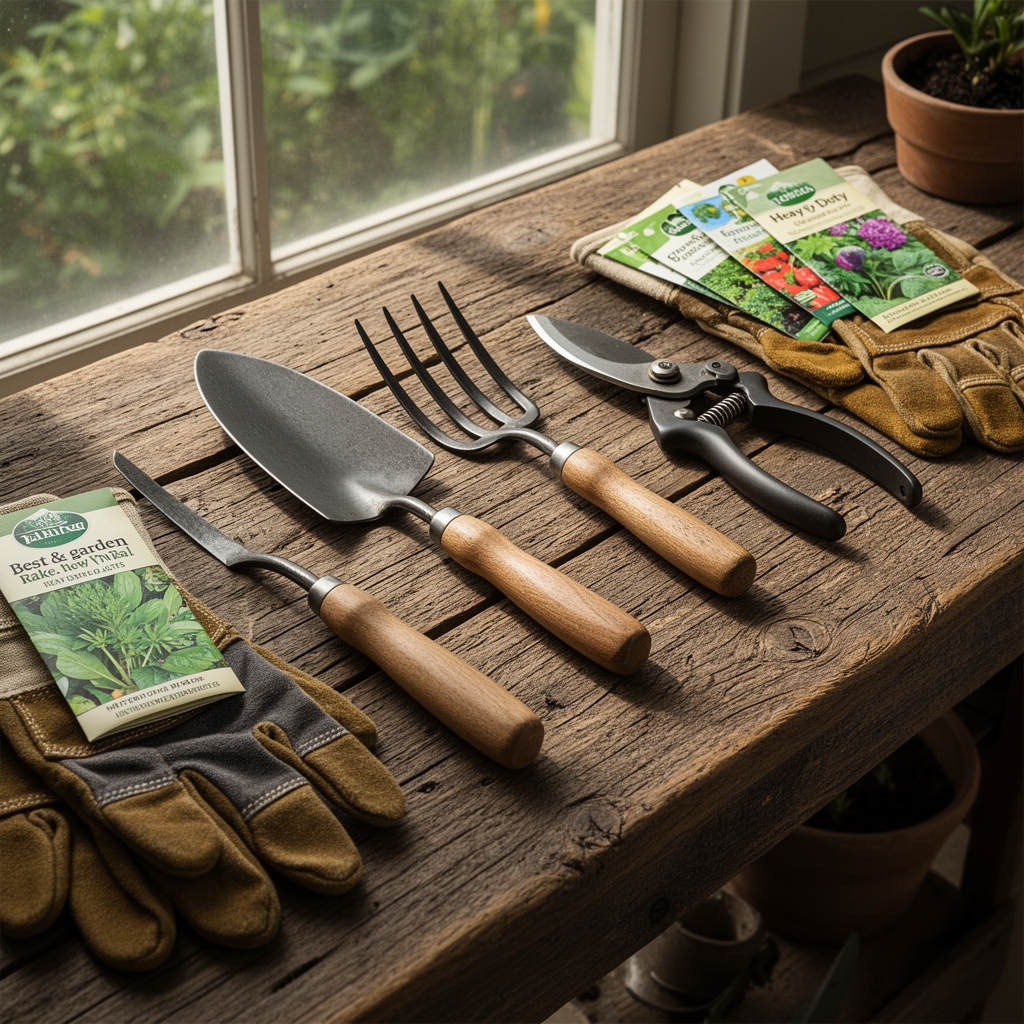
Heavy-Duty Rakes (Primary Tools)
- Bow rake with 16-tooth forged steel head (60-inch handle)
- Landscape rake with 36-inch aluminum head (adjustable width)
- Thatch rake with dual-sided tempered steel tines
- Shrub rake with narrow 8-inch head for tight rows
- Poly leaf rake (30-inch span, reinforced spine)
- Garden hoe/rake combo tool with 7-inch blade
- Tine rake with flexible fiberglass handle (reduces wrist strain)
Soil Amendment Requirements
After clearing debris, test soil pH. Most vegetable beds perform best at 6.2 to 6.8 pH. Apply dolomitic limestone at 5 pounds per 100 square feet if pH drops below 6.0. For spring preparation, broadcast a balanced 5-10-5 NPK fertilizer at 2 pounds per 100 square feet, then incorporate composted manure (0.5-0.5-0.5 NPK) at a 2-inch layer to rebuild organic matter depleted by heavy feeders like squash and corn.
Protective Gear
Heavy leather gloves prevent blisters from repetitive raking. Safety glasses shield eyes from flying debris when pulling dried bean poles. Steel-toe boots protect feet when moving through beds with buried drip lines or landscape staples.
Timing & Growing Schedule
Post-harvest cleanup timing directly impacts next season's success. In Zones 5-6, complete heavy debris removal by mid-November before ground freeze. Zones 7-8 gardeners have until early December. Zone 9 operations can continue year-round but should clear summer crops by late October to establish cool-season brassicas.
Critical Windows
Spring preparation begins 4 to 6 weeks before last frost. Rake out winter-killed cover crops like hairy vetch or crimson clover 14 days before transplanting tomatoes or peppers. This allows soil microbes to begin breaking down green matter without causing nitrogen tie-up that stunts seedling growth.
Fall cleanup should occur within 7 days of final harvest. Delaying allows fungal spores from late blight, powdery mildew, or anthracnose to overwinter in plant debris, creating inoculum reservoirs that infect next year's crops.
Step-by-Step Instructions
Phase 1: Initial Debris Removal
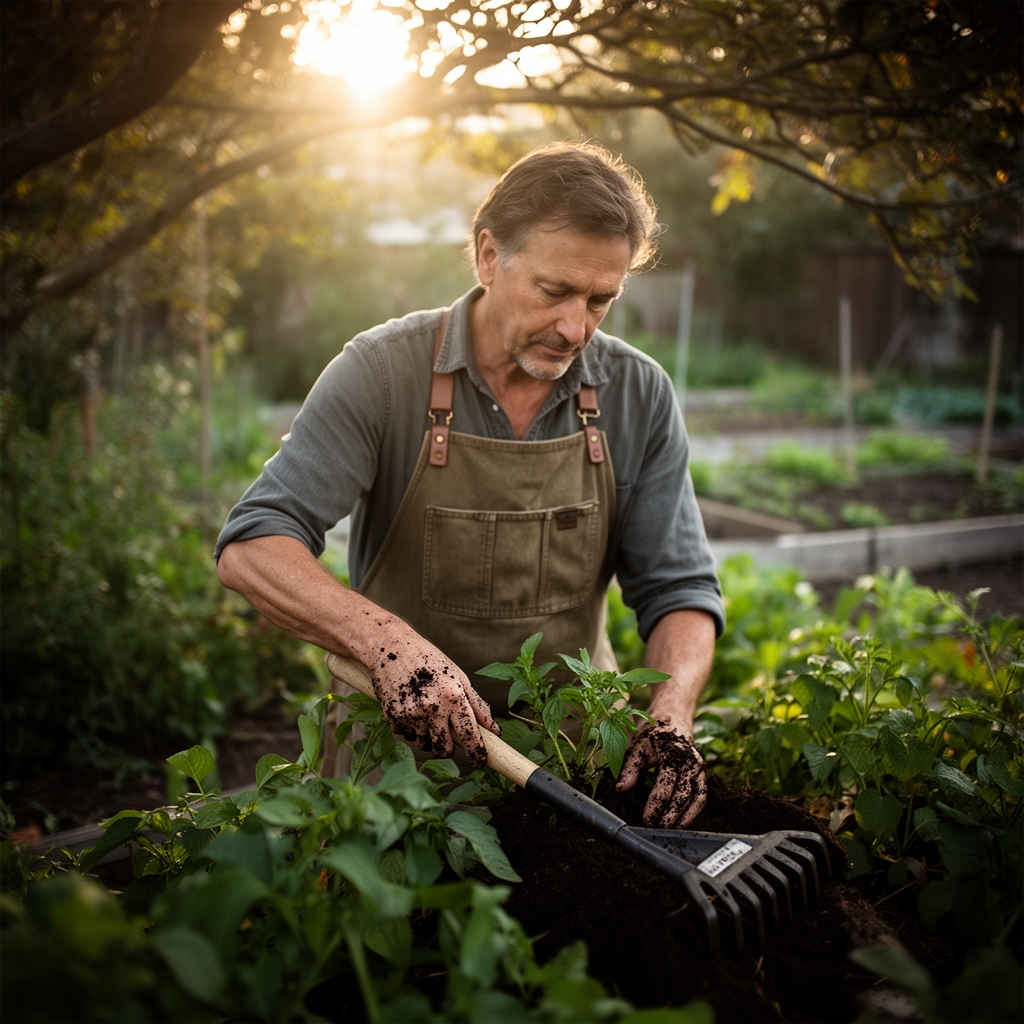
Cut plant stalks at soil level using bypass pruners. Stack material by type: woody brassica stems separate from leafy greens, diseased plants isolated from healthy debris. Use the bow rake to gather loose material into windrows along bed edges. Pull the rake toward your body in 3-foot strokes, keeping tines angled 45 degrees to soil surface.
Pro-Tip: Wet debris sticks to rake tines. Wait for a 48-hour dry spell after rain before tackling heavy cleanup.
Phase 2: Fine Debris Removal
Switch to the poly leaf rake for residual plant matter. Work perpendicular to your initial raking direction to capture material the bow rake missed. This cross-hatching pattern exposes buried drip tape and identifies low spots where water pools. Rake pathways between beds to prevent weed seeds from migrating into growing areas.
Pro-Tip: Shake the poly rake every 10 strokes. Compressed debris between tines reduces raking efficiency by 40 percent.
Phase 3: Soil Surface Preparation
Flip the bow rake to use the flat back for leveling. Drag across beds to break up surface crusting and fill footprint depressions. This creates optimal seed-to-soil contact for fall-planted garlic, shallots, or cover crops. Avoid over-raking, which destroys soil aggregates and compacts upper layers where beneficial mycorrhizal fungi colonize plant roots.
Pro-Tip: Rake when soil reaches "friable" moisture (forms a ball that crumbles with light pressure). Too wet causes smearing; too dry creates dust that blows away topsoil.
Nutritional & Environmental Benefits
Proper debris management returns nutrients to the soil cycle. Composting vegetable waste converts plant tissue into humus that increases cation exchange capacity by 20 to 30 percent. This improved CEC allows soil to retain calcium, magnesium, and potassium against leaching rains.
Cleared beds planted with winter rye or oats prevent erosion that washes away 5 tons of topsoil per acre annually in bare plots. Cover crop roots secrete exudates that feed soil bacteria and protozoa, which mineralize organic nitrogen into plant-available forms.
Maintaining clean garden edges eliminates overwintering habitat for squash bugs, cucumber beetles, and European corn borers. However, leave a 10-foot buffer of leaf litter along property margins to shelter native mason bees, which pollinate 95 percent of spring fruit blossoms more efficiently than honeybees.
Advanced Methods
Small Space Optimization
Vertical gardening with trellised cucumbers and pole beans concentrates debris in narrow footprints. Use the shrub rake's 8-inch head to navigate between supports without damaging irrigation lines. Remove lower leaves from indeterminate tomatoes every 14 days throughout the season to reduce end-of-season cleanup volume by 60 percent.
Organic & Permaculture Integration
Chop-and-drop methods leave debris in place as sheet mulch. Mow over spent crops with a mulching mower set to 2-inch height, then rake the shredded material into a uniform 4-inch layer. This feeds saprophytic fungi that break down cellulose and lignin, adding 2 percent organic matter to topsoil annually. Avoid this method if plants showed signs of Septoria leaf spot, fusarium wilt, or bacterial canker.
Season Extension
Rake beds clean by September 15 in Zones 5-6 to establish cold frames or low tunnels. Transplant cold-hardy varieties like spinach, claytonia, or mache into raked beds, then install hoops and 6-mil greenhouse plastic. This extends harvest 8 to 10 weeks past first frost.
Troubleshooting
Symptom: Rake tines bend or break when pulling heavy stalks
Solution: Select bow rakes with tines forged from single steel pieces rather than welded assemblies. Forged construction withstands 300 pounds of lateral force. Cut thick stalks (over 1 inch diameter) with loppers before raking.
Symptom: Debris clumps stick between rake tines
Solution: Spray tines with cooking oil before use. The thin coating prevents wet material from adhering. Clean tines every 15 minutes using a putty knife or stiff brush.
Symptom: Raking exposes drip lines or buried cables
Solution: Mark irrigation lines with landscape flags before cleanup. Use the shrub rake in flagged zones, keeping tines shallow (1 inch depth maximum). Consider switching to above-ground soaker hoses in beds requiring frequent cultivation.
Symptom: Dust clouds rise while raking dry debris
Solution: Mist beds lightly with a hose 30 minutes before raking. This settles fine particles without creating mud. Wear an N95 mask when raking composted manure or peat-amended soil, which contains Aspergillus spores.
Symptom: Rake handle splinters or cracks at ferrule connection
Solution: Choose handles made from ash or hickory with visible, straight grain patterns. These hardwoods flex under load without fracturing. Avoid pine or fir handles in tools used for heavy debris work.
Storage & Maintenance
Seasonal Cleaning Protocols
Rinse rake heads after each use to remove soil particles that corrode metal tines. Scrub with a wire brush, then dry completely. Apply a thin coat of linseed oil to wooden handles every 6 weeks during active gardening months. This prevents moisture absorption that leads to grain swelling and handle loosening.
Hang rakes on wall-mounted brackets rather than leaning them against shed walls. Vertical storage prevents tine warping and handle warping. Store poly rakes away from direct sunlight, which degrades plastic and reduces lifespan by 50 percent.
Soil Care Post-Cleanup
Apply 1 inch of water per week to newly raked beds if rainfall totals less than 0.75 inches. Use a rain gauge to track precipitation. This maintains soil moisture at 60 to 70 percent field capacity, the ideal range for nitrogen mineralization by soil microbes.
Broadcast bone meal (3-15-0 NPK) at 3 pounds per 100 square feet in fall-prepared beds. Phosphorus moves slowly through soil, so fall application ensures availability when spring transplants develop root systems. Side-dress established cover crops with blood meal (12-0-0 NPK) at 1 pound per 100 square feet if foliage yellows, indicating nitrogen deficiency.
Tool Sharpening
Sharpen hoe/rake combo blades every 20 hours of use. Clamp the tool in a vise and file the cutting edge at a 30-degree angle using a 10-inch mill bastard file. Maintain the original bevel. A sharp blade cuts through fibrous roots and rhizomes with 70 percent less effort than dull edges.
Conclusion
Mastering heavy vegetable debris removal with the right rake selection protects soil biology, prevents disease carryover, and sets the stage for next season's yields. The seven tools outlined here address every cleanup challenge from dense squash vines to brittle corn stalks. Implement the phased raking system, respect soil moisture windows, and your beds will enter winter clean and ready for spring's first seeds. Share your favorite rake brand and debris management tricks in your local garden club meeting this month.
Expert FAQs
What rake works best for removing corn stalks without damaging soil structure?
Use a landscape rake with adjustable width set to 24 inches. The wide head distributes force across multiple tines, preventing individual tines from penetrating deeper than 1 inch. Cut stalks at ground level first, then rake horizontally to gather debris without disrupting soil aggregates formed by fungal hyphae networks.
How do I prevent blisters when raking large gardens over multiple hours?
Wear batting gloves under leather work gloves. The double-layer system absorbs friction and wicks moisture away from skin. Take 5-minute breaks every 30 minutes to prevent repetitive stress injuries. Alternate between push and pull strokes to distribute workload across different muscle groups.
Can I leave tomato debris in beds if plants were disease-free?
Only if you've grown resistant varieties in soil with pH above 6.5 and zero blossom end rot symptoms. Even asymptomatic plants may harbor latent verticillium or fusarium spores. The safest practice removes all nightshade family debris annually and rotates planting locations on a 3-year cycle.
Should I rake leaves from trees into vegetable beds as winter mulch?
Avoid black walnut, eucalyptus, or allelopathic species leaves, which leach growth inhibitors. Oak, maple, and birch leaves work well when shredded to 2-inch pieces. Apply a 4-inch layer after soil temperatures drop below 50°F. Whole leaves mat down and create anaerobic conditions that kill beneficial nematodes.
What's the difference between a bow rake and a garden rake for debris work?
Bow rakes feature short (3-inch), rigid steel tines spaced 2 inches apart, designed for moving heavy materials and breaking clods. Garden rakes (also called leaf rakes) have long (8-inch), flexible tines spaced 0.5 inches apart for gathering lightweight debris. Bow rakes move 300 percent more weight per stroke but miss fine material that garden rakes capture.