7 Steps to Build a Floating Garden Deck
The wood grain beneath your boots feels solid, yet the entire deck shifts gently with each ripple of water below. A floating garden deck transforms static water surfaces into productive growing space while providing stable access across ponds, lakes, or wetlands. The steps for building a floating garden deck combine marine construction principles with horticultural engineering, creating structures that support root systems, drainage requirements, and load-bearing planter boxes without compromising buoyancy. Each component must account for displacement ratios, moisture management, and the specific cation exchange capacity of containerized growing media.
Materials
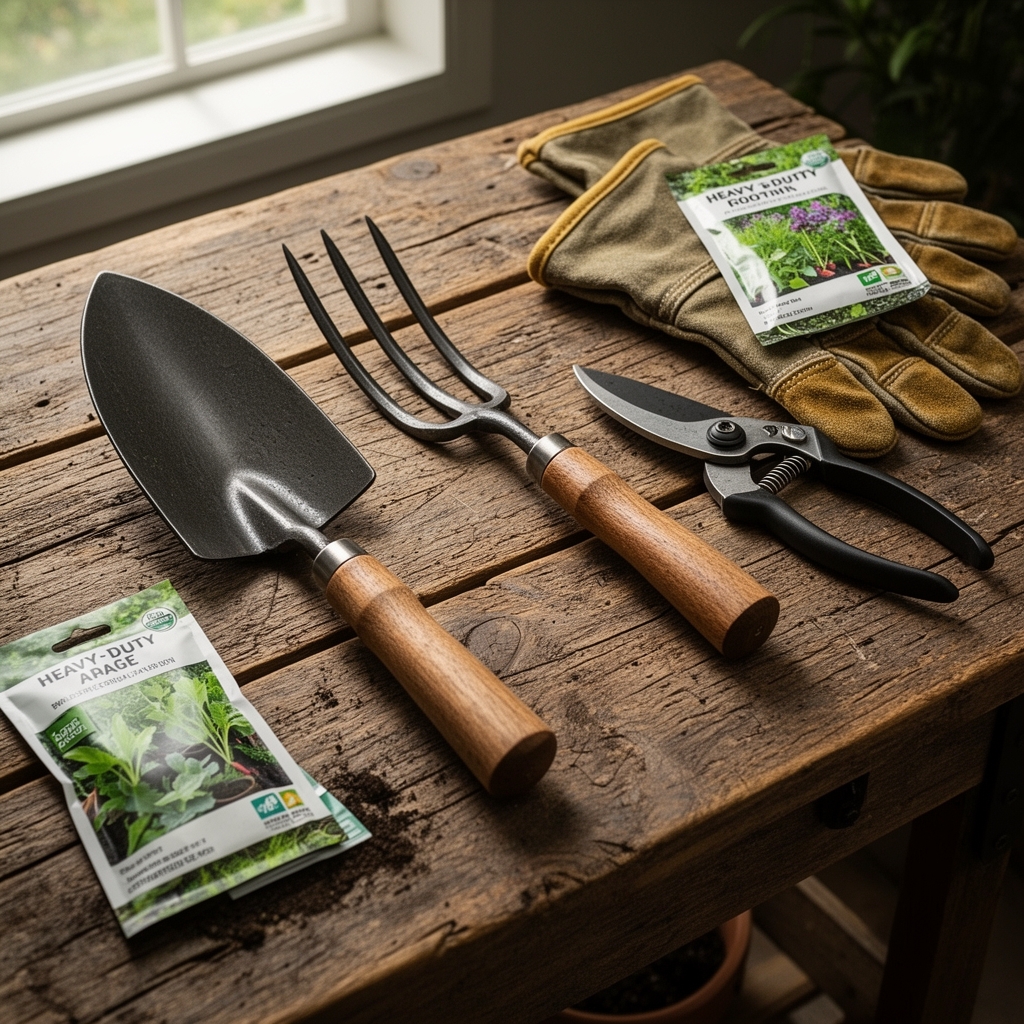
The flotation base requires closed-cell polyethylene foam blocks rated for 60 pounds per cubic foot displacement. Marine-grade pressure-treated lumber (ACQ or copper azole) forms the frame, with 2×6 joists spaced 16 inches on center. Decking boards should be composite or tropical hardwood with drainage gaps of 1/4 inch between planks.
For growing media, combine 40% pine bark fines, 30% Canadian sphagnum peat, 20% perlite, and 10% compost at pH 6.0-6.5. Amend with dolomitic limestone at 5 pounds per cubic yard to buffer acidity. Incorporate 4-4-4 organic meal (feather meal, bone meal, and kelp) at label rate for baseline nutrition. Mycorrhizal fungi inoculant containing Glomus species improves phosphorus uptake in container environments where root expansion is restricted.
Stainless steel lag bolts and galvanized joist hangers resist corrosion in aquatic environments. Geotextile fabric (5-ounce weight) lines planter boxes to retain soil while allowing drainage. HDPE planter boxes with 12-inch minimum depth accommodate most vegetable root systems. Each cubic foot of saturated growing medium weighs approximately 75 pounds, requiring careful displacement calculation.
Timing
Begin construction during USDA Hardiness Zone-appropriate windows when water temperatures stabilize above 50°F. Zones 7-9 permit year-round installation; Zones 4-6 require spring assembly after final frost dates (typically April 15-May 30). Water level fluctuations are minimal during late spring, providing ideal anchoring conditions.
Plant establishment follows soil temperature thresholds. Cool-season crops (lettuce, kale, peas) transplant when growing medium reaches 45-50°F. Warm-season species (tomatoes, peppers, cucumbers) require 60-65°F substrate temperatures, typically 2-3 weeks after last frost. Fall planting windows occur 8-10 weeks before first frost for cold-hardy species.
Structural adjustments proceed during dormant periods. Winter months in Zones 6 and colder allow frame reinforcement while perennial plantings are inactive. Adjust flotation components in early spring as ice damage becomes apparent.
Phases
Foundation Phase: Position foam blocks in a grid pattern with 24-inch spacing. Secure 2×6 pressure-treated perimeter joists across block tops using 3-inch stainless lag bolts. Cross-bracing with internal joists prevents racking. Test flotation by adding 150% of anticipated load before decking installation. Adjust block placement to achieve level plane within 1/4 inch across 8-foot span.
Pro-Tip: Apply marine-grade silicone sealant to all lag bolt penetrations through foam to prevent water infiltration and gradual saturation.
Decking Phase: Install composite or hardwood planks perpendicular to joists using hidden fastener systems. Maintain 1/4-inch gaps for drainage and thermal expansion. Decking covers 70% of total surface area; reserve 30% for planter box integration. Recessed planter zones require additional blocking between joists to support container weight. Cut geotextile fabric to line each planter cavity, extending 2 inches above rim.
Pro-Tip: Route auxin distribution in tomato plants by pruning suckers at 45-degree angles during transplanting phase to direct energy toward fruit production rather than vegetative growth.
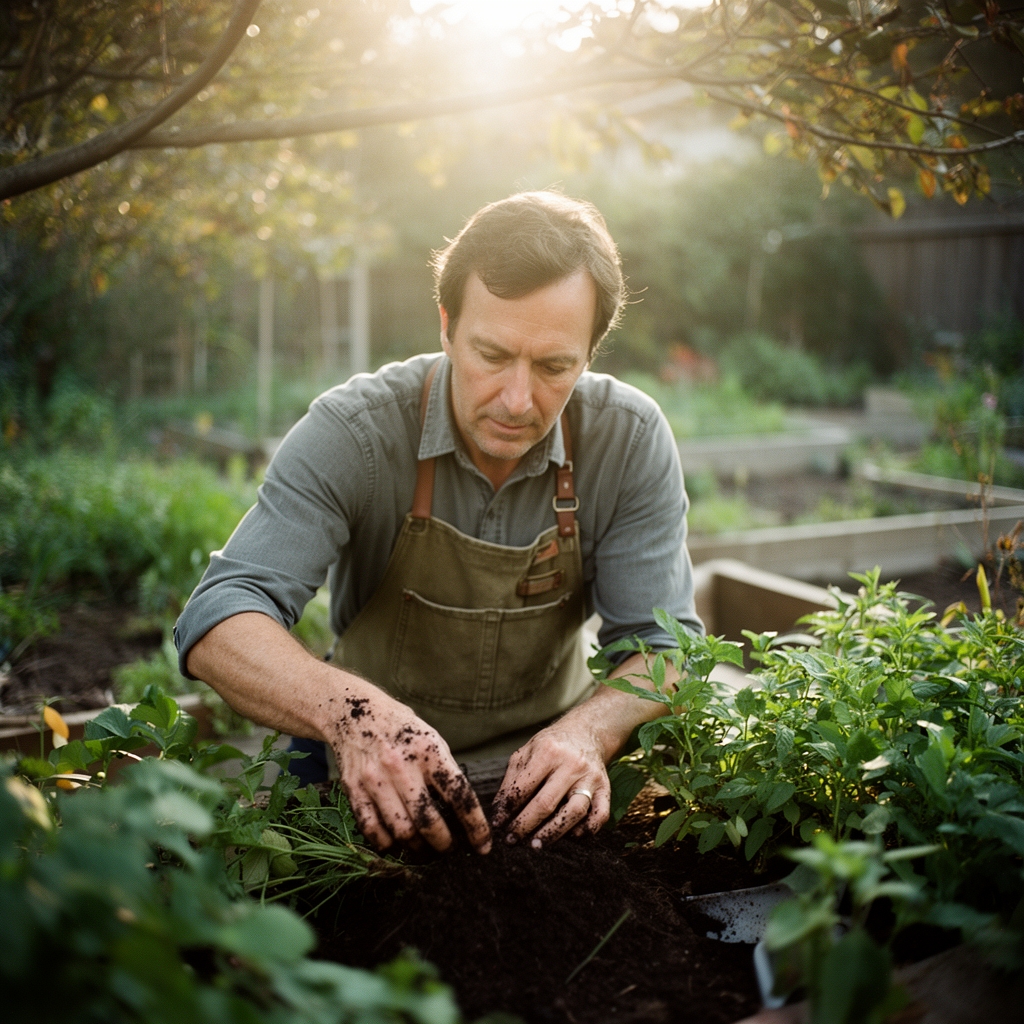
Planting Phase: Fill lined boxes with prepared growing medium to 1 inch below rim. Transplant seedlings with root balls intact, spacing according to mature canopy diameter. Apply 1 inch of hardwood mulch to reduce evaporation and moderate substrate temperature. Install drip irrigation lines with pressure-compensating emitters at 1 gallon per hour output. Connect to shore-based water source or rain catchment cistern.
Pro-Tip: Inoculate legume roots (peas, beans) with Rhizobium bacteria specific to species to fix atmospheric nitrogen, reducing synthetic fertilizer requirements by 40%.
Troubleshooting
Symptom: Interveinal chlorosis on new growth indicates iron deficiency from pH drift above 7.0 in container media.
Solution: Apply chelated iron (Fe-EDDHA) at 1 tablespoon per gallon as foliar spray. Amend substrate with elemental sulfur at 1/2 cup per cubic foot to lower pH.
Symptom: Deck listing to one side signals uneven load distribution or foam block saturation.
Solution: Redistribute weight by relocating heavy planters. Replace saturated foam blocks with fresh closed-cell material.
Symptom: Blossom end rot on tomatoes and peppers results from calcium deficiency exacerbated by irregular watering.
Solution: Maintain consistent soil moisture at 60-70% field capacity. Apply calcium nitrate foliar spray (1 tablespoon per gallon) weekly during fruiting.
Symptom: Aphid colonies on brassicas indicate nitrogen excess and soft tissue growth.
Solution: Reduce nitrogen inputs by 30%. Introduce Aphidius colemani parasitic wasps at 1 per square foot for biological control.
Symptom: Wilting during midday heat despite adequate moisture suggests root-bound conditions.
Solution: Transplant to containers with 20% greater volume. Prune circling roots and score root ball vertically before replanting.
Maintenance
Apply liquid fertilizer at 10-10-10 ratio every 14 days during active growth at 1 tablespoon per gallon of water. Provide 1 inch of water per week through drip irrigation, divided into daily 0.14-inch applications to maintain consistent moisture. Monitor substrate EC (electrical conductivity) with handheld meter; flush containers with fresh water when readings exceed 2.0 mS/cm to prevent salt accumulation.
Inspect flotation components quarterly. Tighten all fasteners to manufacturer torque specifications (typically 25 foot-pounds for 1/4-inch stainless lags). Remove accumulated sediment from deck surface monthly to prevent excess weight. Prune plants to maintain 18-inch clearance from deck edges for air circulation and pest monitoring.
Winterize in Zones 6 and colder by removing annual plants and draining irrigation lines. Store removable planter boxes onshore. Apply penetrating water sealant to exposed wood surfaces every 24 months.
FAQ
How deep should planter boxes be?
Minimum 12 inches for vegetables, 18 inches for dwarf fruit trees. Root crops (carrots, beets) require 14-inch depth.
What weight capacity is required?
Calculate 100 pounds per square foot for saturated planters, walking traffic, and safety margin. Each cubic foot of foam provides 60 pounds buoyancy.
Can I grow root vegetables on a floating deck?
Yes, in containers with 14-18 inch depth. Choose short varieties like 'Thumbelina' carrots or 'Detroit Dark Red' beets.
How do I anchor the structure?
Use helical anchors driven into lake bottom with 3/8-inch galvanized chain, allowing 12 inches vertical movement for water level fluctuation.
What plants tolerate floating deck conditions?
Shallow-rooted crops excel: lettuce, herbs, strawberries, determinate tomatoes, and bush beans. Avoid deep-rooted perennials like asparagus.