8 Best Landscape Glues for Securing Wall Blocks
Retaining walls fail when cap stones shift. Freeze-thaw cycles, erosion runoff, and foot traffic dislodge unsecured stones within two seasons. The best landscape glue for cap stones creates a polyurethane or epoxy bond that flexes with thermal expansion, resists UV degradation, and cures within 24 hours at ambient temperatures above 50°F. Professional masons rely on adhesives with 3,500 PSI minimum tensile strength to anchor natural stone, concrete, and composite pavers against lateral shear forces.
Materials
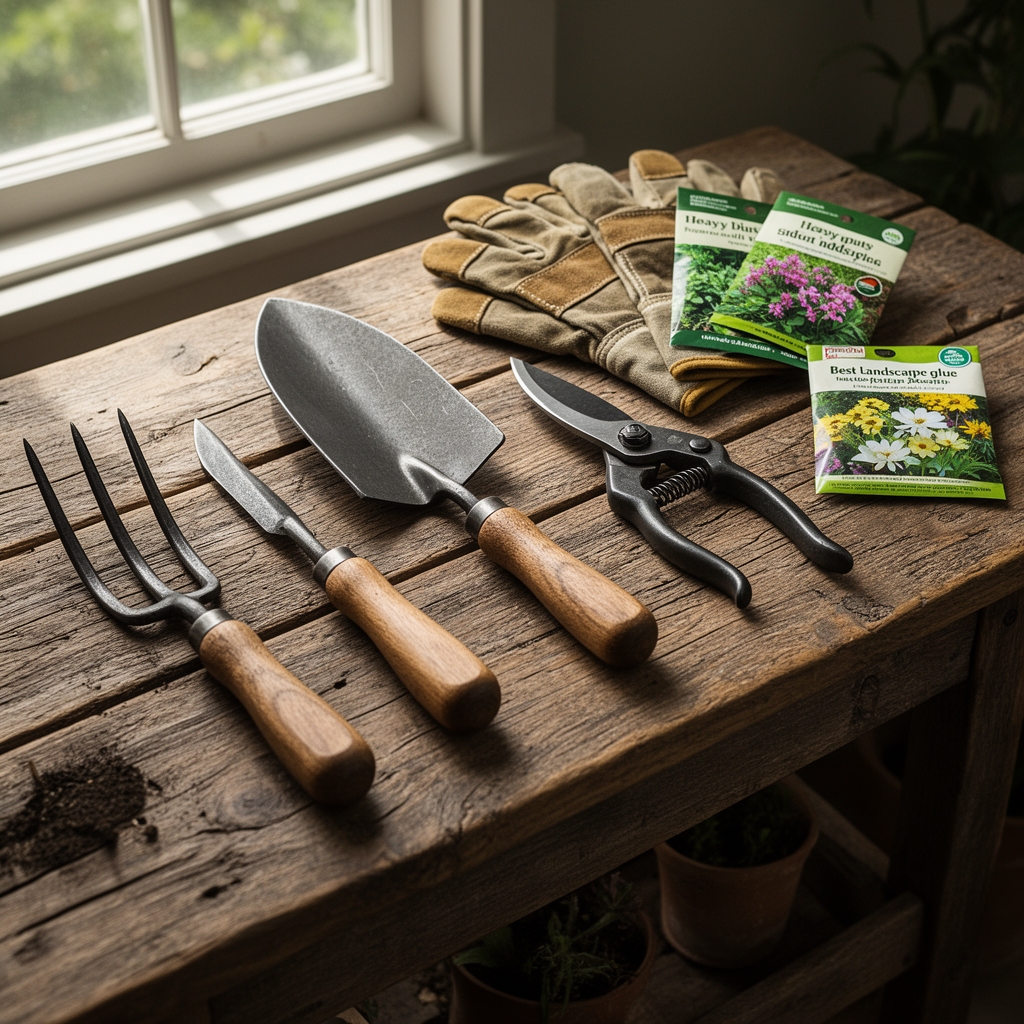
Landscape adhesives fall into three chemical families, each suited to specific substrates and environmental loads.
Polyurethane-Based Formulas (Single-Component)
These moisture-curing glues expand 5-10% during polymerization, filling voids in porous limestone, sandstone, and cast concrete. Apply to dry surfaces with moisture content below 12%. Target compressive strength: 4,200 PSI. Recommended for walls in USDA Hardiness Zones 4-9 where winter lows reach -20°F. Cation exchange capacity in adjacent soils must remain below 15 meq/100g to prevent calcium leaching that undermines bond integrity.
Epoxy Resin Systems (Two-Component)
These generate 3,800-5,000 PSI bonds with zero expansion. Mix resin and hardener at exact 1:1 or 2:1 ratios depending on manufacturer specs. Ideal for dense granite, marble, and engineered stone. Cure time: 4 hours at 70°F, extending to 12 hours below 55°F. Bond remains rigid, making these unsuitable for walls subject to settlement or seismic activity. Apply only when substrate temperature exceeds dew point by 5°F to prevent moisture entrapment.
Construction-Grade Masonry Adhesive (Hybrid Polymer)
These combine polyurethane elasticity with epoxy strength, rated to 3,500 PSI. Cartridge systems dispense through standard caulking guns. Best for retrofitting loose stones on existing walls without full deconstruction. Compatible with wet substrates up to 18% moisture content. Provides a working time of 15 minutes before initial tack, full cure in 48 hours.
Pro-Tip: Clean all surfaces with TSP (trisodium phosphate) solution at 1/4 cup per gallon to remove efflorescence salts that reduce bond strength by 40%.
Timing
Install cap stone adhesive when daytime temperatures stabilize between 50°F and 85°F for three consecutive days. In Zone 5, this window opens mid-April through October. Zone 7 extends from March through November. Avoid application when nighttime lows drop below 40°F, as incomplete polymerization creates brittle bonds prone to spalling.
Humidity affects cure rates. Relative humidity above 60% accelerates moisture-cured polyurethanes but delays epoxy systems. Monitor substrate temperature with an infrared thermometer. Stone heated above 100°F by direct sunlight causes adhesive to skin over before achieving full penetration. Schedule work for morning hours when stone temps range from 60°F to 75°F.
Spring installation allows one full freeze-thaw cycle before winter stress. Fall applications require 6-8 weeks cure time before first hard freeze. Mycorrhizal fungi colonization in adjacent planting beds remains unaffected by adhesive volatiles after 72-hour cure period.
Phases
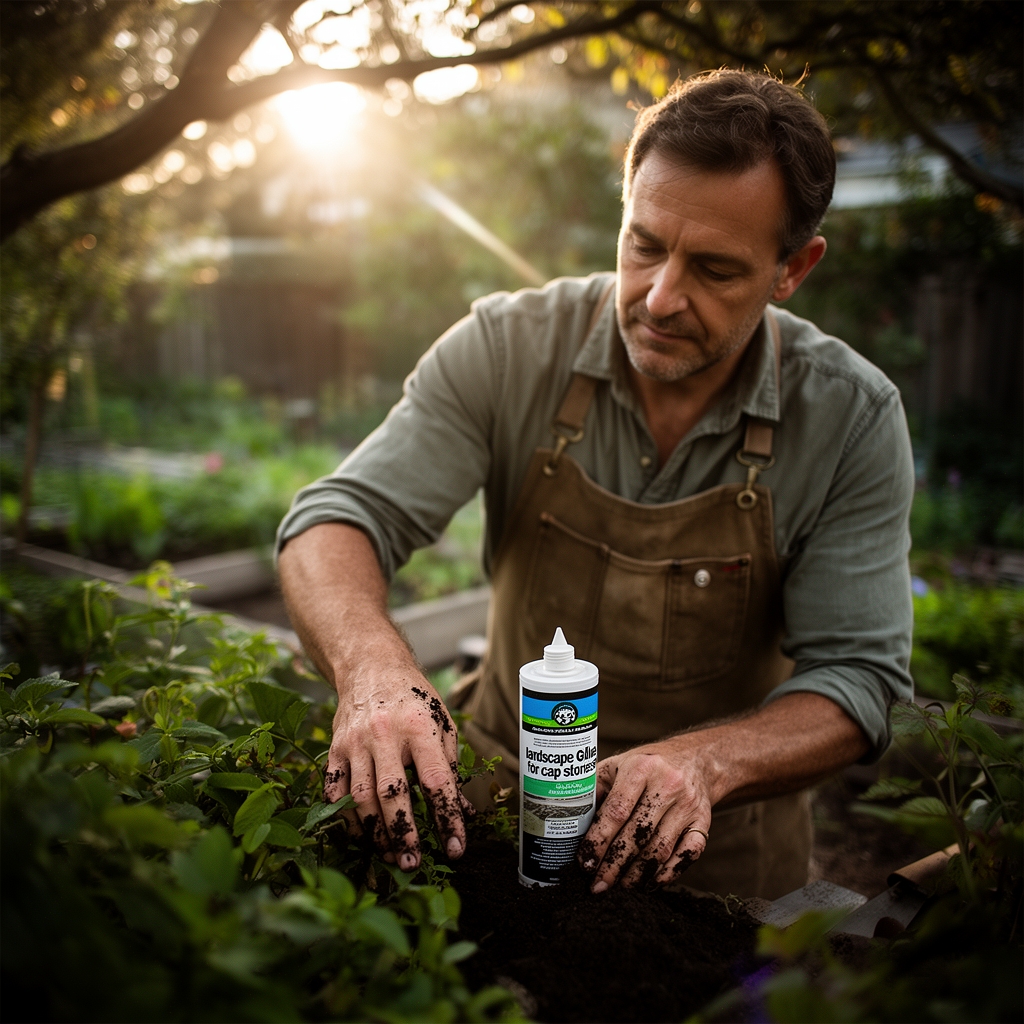
Preparation Phase
Remove all loose mortar, dirt, and organic debris with a wire brush and compressed air at 90 PSI. Grind high spots on concrete blocks with a 4-inch diamond cup wheel to create flat bearing surfaces within 1/16 inch tolerance. Test-fit each cap stone, numbering mating surfaces with chalk. Moisture-meter readings must confirm substrate dryness below 14%. Pre-drill weep holes every 24 inches to maintain drainage and prevent hydrostatic pressure buildup.
Pro-Tip: Apply a bead of silane-based penetrating sealer to cut edges 24 hours before gluing to equalize porosity and prevent differential absorption.
Application Phase
Dispense a continuous 3/8-inch bead 1 inch from all edges, creating a perimeter frame. Add serpentine pattern in the field for stones exceeding 200 square inches of contact area. Press stone firmly, achieving 1/8-inch glue thickness. Excess adhesive squeezed beyond edges should be tooled smooth with a putty knife within 5 minutes. Place 25-pound sandbags at 18-inch intervals to maintain contact pressure during initial cure. Avoid foot traffic for 24 hours, vehicle loads for 72 hours.
Pro-Tip: For stones with auxin distribution from adjacent plantings (root pressure causing minor movement), add a mechanical anchor by drilling and epoxying a 1/2-inch rebar pin 4 inches deep into the top course block, protruding 2 inches into a corresponding hole in the cap stone.
Curing Phase
Protect fresh bonds from precipitation for 6 hours minimum. Tent with polyethylene sheeting if rain threatens. Do not apply sealers or stains for 7 days post-installation. Temperature swings exceeding 40°F during the first 48 hours reduce final bond strength by 15-25%. Monitor with min-max thermometers placed on the wall surface.
Troubleshooting
Symptom: Adhesive remains tacky after 48 hours.
Solution: Substrate moisture exceeded tolerance. Remove stone, dry surfaces to 10% moisture or below using propane heater at safe distance, reapply fresh adhesive. Verify dew point calculations to prevent condensation.
Symptom: White foam extrudes from joints during cure.
Solution: Over-expansion of single-component polyurethane due to excessive substrate moisture or thick application. Trim cured foam with utility knife. Future applications require thinner beads (1/4 inch) and surface drying.
Symptom: Bond failure within first season, stones rock laterally.
Solution: Insufficient adhesive coverage or contaminated surfaces. Remove stones, inspect for oil, algae, or dust. Re-clean with acetone on non-porous stone, TSP on porous types. Increase bead diameter to 1/2 inch on problematic substrates.
Symptom: Discoloration halo around glue line.
Solution: Uncured adhesive absorbed into porous stone. Results from applying to wet substrates or inadequate sealer. Does not affect bond strength. Treat with poultice of baking soda paste, leave 24 hours, rinse.
Symptom: Cracking parallel to glue joint after winter.
Solution: Thermal expansion mismatch. Switch from rigid epoxy to flexible polyurethane formulas rated for 200% elongation. Add control joints every 10 feet in long runs.
Maintenance
Inspect cap stones annually each spring. Press firmly on each stone, checking for movement greater than 1/16 inch. Re-glue loose units immediately to prevent progressive failure. Clean joints with low-pressure water (500 PSI maximum) to remove soil and organic accumulation that wicks moisture into the bond line.
Apply penetrating sealer every 3-5 years, selecting products with less than 50 g/L VOC. Avoid film-forming sealers that trap moisture beneath the surface. Remove efflorescence salts with a solution of 1 part white vinegar to 3 parts water, scrubbing with natural-bristle brush.
Monitor soil pH in planting beds within 12 inches of the wall. Maintain levels between 6.0 and 7.2 to minimize calcium leaching from mortar and stone. Amend acidic soils with dolomitic limestone at 5 pounds per 100 square feet when pH drops below 5.8.
Prevent root intrusion by maintaining a 6-inch root barrier or installing rhizome-blocking fabric for aggressive spreaders like bamboo or mint. Root pressure exceeding 200 PSI can separate glued joints over multiple seasons.
FAQ
How long does landscape glue last on cap stones?
Quality polyurethane and epoxy adhesives maintain bond strength for 20-30 years when properly installed on dry, clean substrates and protected from standing water.
Can you glue cap stones in cold weather?
Specialized low-temperature formulas cure at 35°F but require 72-hour cure time. Standard adhesives fail below 50°F, producing bonds at 50-60% of rated strength.
What PSI rating is needed for cap stone adhesive?
Minimum 3,500 PSI tensile strength for residential walls under 4 feet. Walls exceeding 4 feet or supporting sitting areas require 4,500 PSI commercial-grade products.
Does landscape glue work on wet stone?
Hybrid polymer formulas tolerate surface moisture up to 18% but sacrifice 20% bond strength. Epoxies and standard polyurethanes require bone-dry substrates below 12% moisture.
Should cap stones be glued and pinned?
Walls over 3 feet tall, retaining soil loads, or in seismic zones benefit from mechanical pins (1/2-inch rebar epoxied 6 inches deep) plus adhesive for redundant attachment.