8 Deep-Cleaning Steps for Treating Indoor Ivy Spider Mites
Spider mites on indoor ivy announce their presence through pale stippling on leaves, fine webbing across stems, and a slow decline that accelerates without intervention. These arachnid pests thrive in dry indoor environments where air circulation stagnates and humidity drops below 40 percent. Implementing steps for treating spider mites on indoor ivy requires systematic deep-cleaning protocols that address both the pest population and the environmental conditions enabling their reproduction. Each female spider mite lays up to 20 eggs daily at room temperature, making early detection critical to preventing exponential colony growth that can defoliate entire specimens within weeks.
Materials
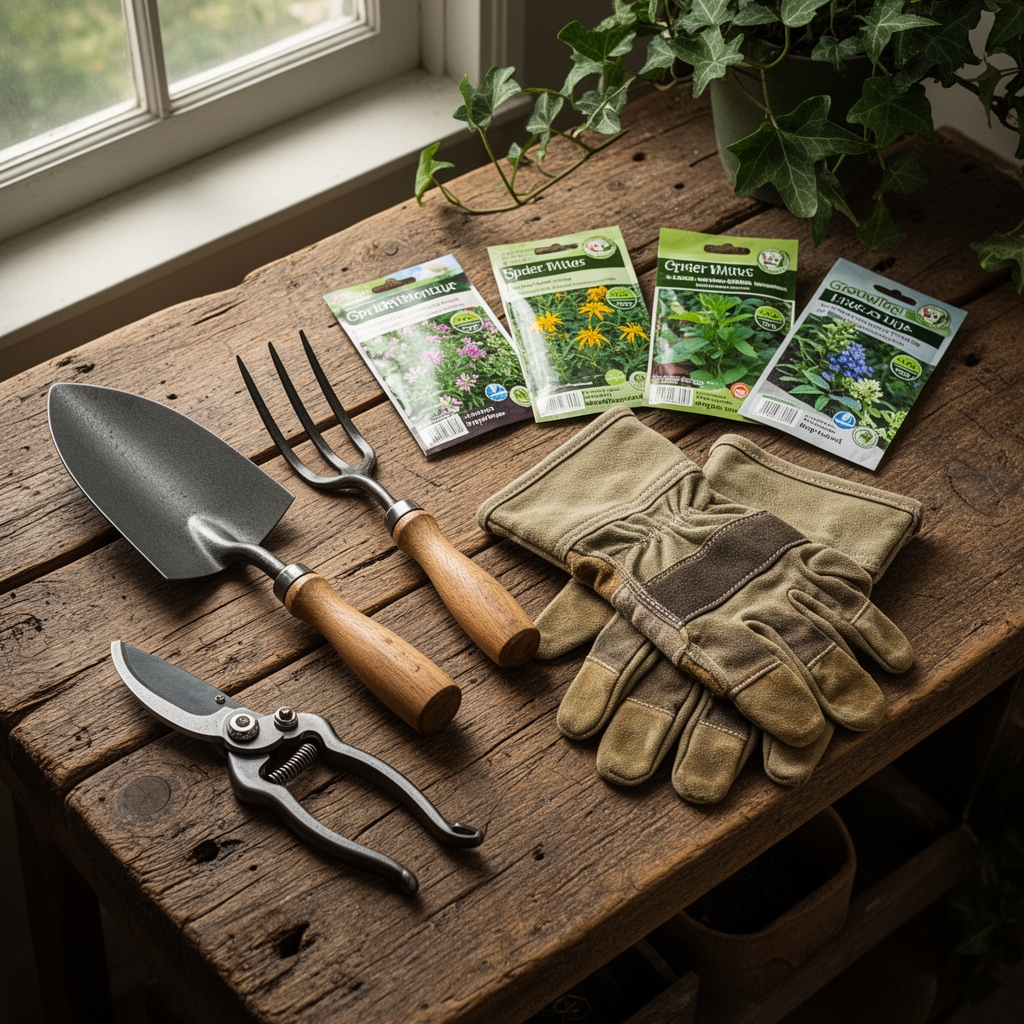
Assemble pH-neutral insecticidal soap (7.0 pH) formulated with potassium salts of fatty acids at 1-2% concentration. Horticultural oil at 2% solution in water (pH 6.5-7.0) suffocates mite eggs and adults through spiracle occlusion. Neem oil containing 0.9% azadirachtin disrupts mite molting and reproduction. A handheld magnifier at 10x magnification confirms mite presence. Prepare 70% isopropyl alcohol in spray bottles for spot treatment. Microfiber cloths remove webbing and dead mites without damaging leaf cuticles. For post-treatment recovery, select a balanced 4-4-4 organic fertilizer with kelp meal to restore auxin distribution and promote new growth. Keep distilled water at room temperature for dilutions to avoid pH fluctuations that stress weakened plants.
Timing
Indoor ivy spider mite infestations peak during winter heating season when relative humidity drops below 35 percent and temperatures remain steady between 68-75°F. These conditions mirror USDA Hardiness Zones 9-11 outdoor climates that support year-round mite activity. Begin treatment immediately upon detection rather than waiting for seasonal windows. The complete treatment protocol spans 21 days to interrupt three overlapping mite generations. Schedule initial deep-cleaning during morning hours when stomata are most active for better foliar absorption of treatment solutions. Repeat applications every 5-7 days to target newly hatched nymphs that survived previous treatments as eggs.
Phases

Initial Assessment and Isolation
Remove infested ivy from other houseplants immediately. Spider mites disperse through air currents and direct contact. Examine leaf undersides with magnification to identify moving mites, translucent eggs, and cast exoskeletons. Document infestation severity by counting mites per leaf on five random samples. Isolate the plant in a bathroom or utility sink where water runoff can be controlled.
Pro-Tip: Place yellow sticky traps around the isolation area to monitor mite dispersal and secondary pest activity during treatment.
Physical Removal
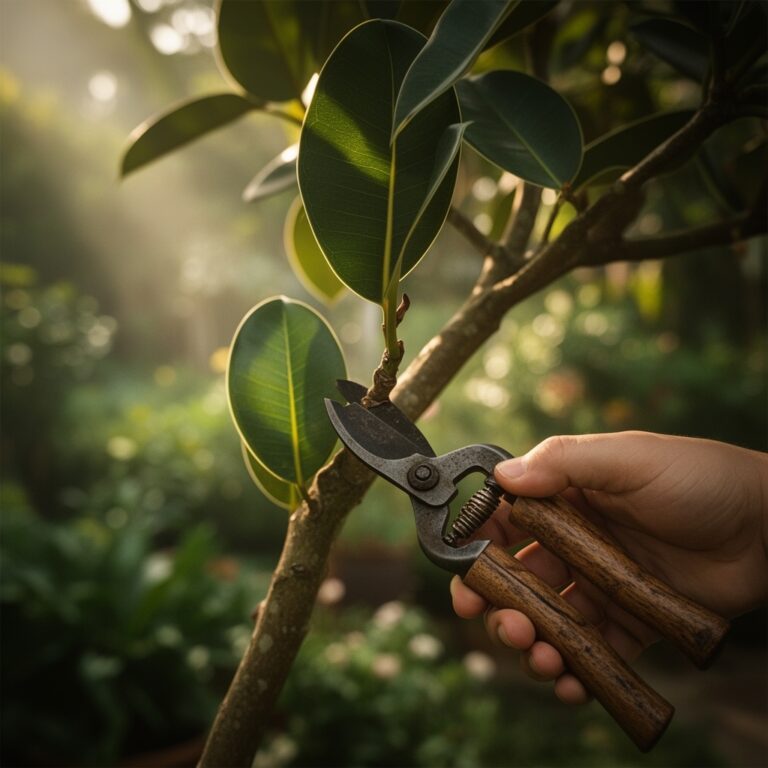
Prune heavily infested stems at 45-degree angles 1/4 inch above nodes using sterilized shears. Dispose of clippings in sealed plastic bags, not compost. Spray the entire plant with room-temperature water at moderate pressure to dislodge mites and webbing. Wipe each remaining leaf individually with microfiber cloths dampened in soapy water, paying special attention to undersides where 80% of mites congregate. This mechanical removal reduces population by 60-70% before chemical intervention.
Pro-Tip: Work from newest growth downward to prevent transferring mites to clean foliage during wiping.
Chemical Treatment Cycle
Mix insecticidal soap at labeled rates in distilled water. Spray until runoff occurs, ensuring complete coverage of stems, leaf axils, and both leaf surfaces. The potassium salts penetrate mite cell membranes, causing dehydration and death within 2-4 hours. Alternate with horticultural oil applications to avoid resistance development. Apply neem oil on the final treatment to provide 7-14 days of residual protection through azadirachtin's growth-regulating effects on the cation exchange capacity within mite tissues.
Pro-Tip: Add two drops of dish soap per quart of neem solution as an emulsifier to prevent oil separation and improve leaf adhesion.
Environmental Modification
Increase ambient humidity to 50-60% using a humidifier placed within three feet of the plant. Spider mite reproduction drops by 50% when relative humidity exceeds 50%. Improve air circulation with a small fan on low setting, creating gentle movement without direct constant airflow on foliage. Reduce temperature to 65-68°F if possible, as mite development slows significantly below 70°F. These conditions favor ivy growth while suppressing mite populations through physiological stress.
Troubleshooting
Symptom: Yellow stippling persists after three treatments with continued webbing production.
Solution: Switch to a different mode-of-action product. Mites develop resistance to single-chemistry regimens within five generations. Combine pyrethrin spray with physical removal every four days for two weeks.
Symptom: New growth emerges distorted with reduced internode spacing.
Solution: Mite saliva injected during feeding contains compounds that disrupt auxin distribution. Apply kelp extract foliar spray at 1 tablespoon per quart weekly to restore normal hormone signaling. Recovery takes 4-6 weeks.
Symptom: Lower leaves drop despite mite elimination.
Solution: Treatment stress combined with prior mite damage compromises vascular function. Reduce watering by 20% and apply mycorrhizal fungi inoculant to root zone to improve nutrient uptake efficiency and accelerate recovery.
Symptom: White residue accumulates on leaves after multiple soap applications.
Solution: Soap buildup interferes with photosynthesis. Rinse foliage thoroughly with plain water 24 hours after each treatment. Reduce soap concentration to 1% for subsequent applications.
Maintenance
Water ivy when the top 1 inch of soil feels dry to touch, approximately every 5-7 days depending on humidity levels. Maintain consistent soil moisture at 40-60% capacity. Apply 4-4-4 organic fertilizer at half strength every six weeks during active growth from March through September. Mist foliage three times weekly to maintain 50% relative humidity. Inspect leaf undersides weekly with magnification for early mite detection. Prune to maintain air circulation through the canopy, removing crossing stems and dense growth clusters. Wipe leaves monthly with damp cloths to remove dust that provides mite habitat and blocks stomata. Rotate plant position quarterly to ensure even light exposure and prevent stress-induced susceptibility.
FAQ
How long does complete spider mite elimination take?
Three weeks of consistent treatment eliminates active infestations by interrupting overlapping life cycles. Continue monitoring for six weeks post-treatment to catch any surviving populations.
Can spider mites return after successful treatment?
Yes. Mites reinfest from nearby plants, outdoor sources, or dormant eggs. Monthly inspections and humidity maintenance above 45% prevent recurrence.
Will neem oil damage ivy leaves?
Properly diluted neem at 1-2% concentration applied during cool hours causes no phytotoxicity. Avoid application above 80°F or in direct sun exposure.
Should I discard heavily infested plants?
Preserve plants showing green growth on 30% or more of foliage. Severely compromised specimens with complete defoliation rarely recover and risk spreading mites during prolonged treatment.
Do predatory mites work for indoor ivy?
Phytoseiulus persimilis effectively controls spider mites indoors at temperatures of 70-80°F and humidity above 60%. Release rates of 10-20 predators per plant provide biological control within 2-3 weeks.