8 Steps for Building a DIY Garden Gate: Keeping Pests Out of the Veg Patch
Woodsmoke from a neighbor's burn pile drifts across the garden bed, mingling with the earthy sweetness of decomposing straw mulch. You've spent months nurturing heirloom tomatoes and pole beans, only to discover a rabbit's calling card among your lettuce rows: clean-cut stems and scattered leaves. The steps for building a DIY garden gate for veg patches start with understanding that physical barriers remain your most reliable defense against persistent wildlife. A well-constructed gate protects your harvest while allowing easy access for wheelbarrows, watering cans, and your own tired back at the end of a long day.
Materials & Supplies
Lumber and Framing Components:
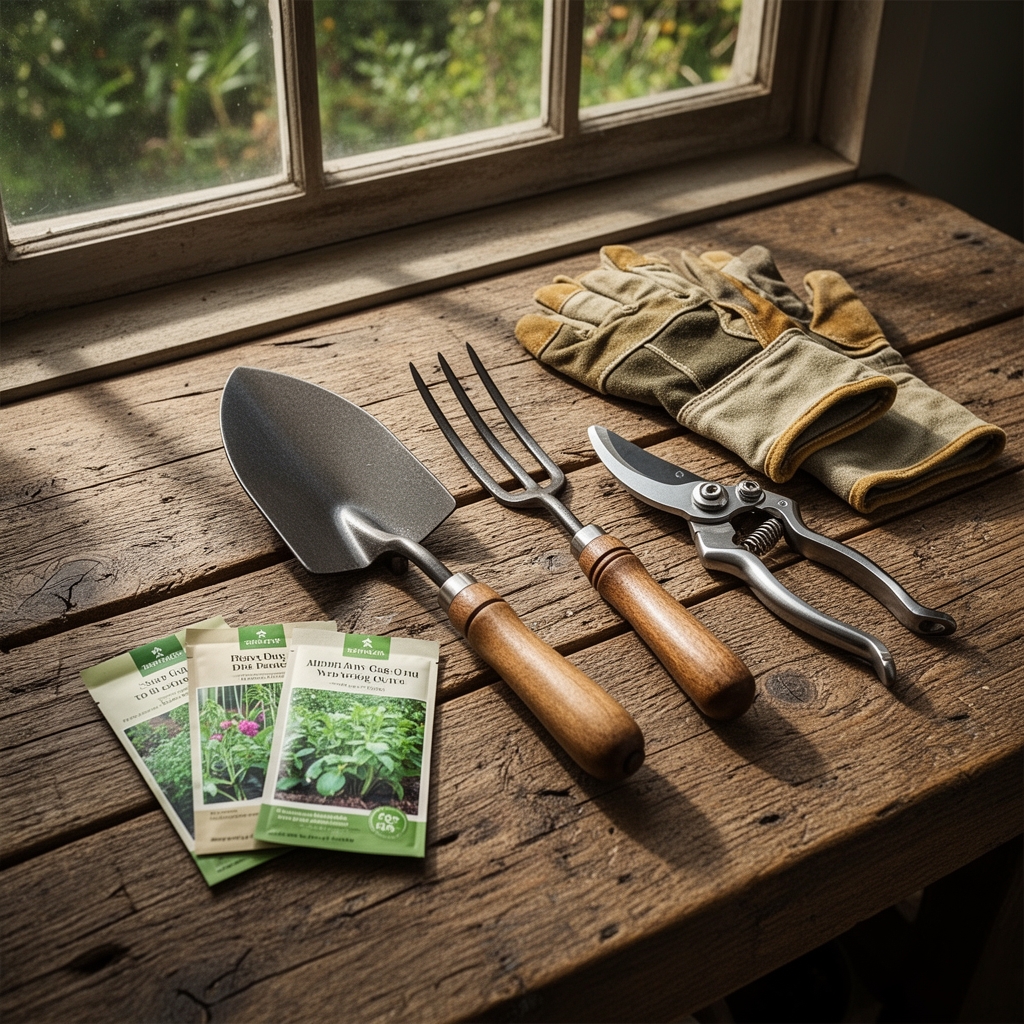
- Two 2x4x8 pressure-treated boards (vertical stiles)
- Three 2x4x42 pressure-treated boards (horizontal rails)
- One 1x4x42 cedar board (diagonal brace)
- Four-foot roll of 1/2-inch galvanized hardware cloth (16-gauge minimum)
Hardware and Fasteners:
- Two heavy-duty strap hinges (12-inch minimum length)
- One spring-loaded gate latch with strike plate
- Box of 3-inch exterior-grade deck screws
- Box of 1-inch galvanized staples for hardware cloth attachment
- Four 4x4x8 treated posts for gate frame integration
Finishing Materials:
- One quart exterior wood stain or sealant
- Natural bristle brush (2-inch width)
- Sandpaper (120-grit)
Tools Required:
- Circular saw or miter saw
- Cordless drill with Phillips bit
- Post hole digger or auger
- Level (48-inch torpedo level minimum)
- Tape measure and carpenter's square
- Wire cutters or tin snips
Timing & Installation Schedule
Garden gate construction occurs independently of traditional hardiness zones, though spring installation (March through May in zones 5-7) allows you to complete the project before peak growing season demands your attention. Allocate two full days for the complete installation: day one for post setting and concrete curing, day two for gate assembly and hardware installation. Posts require 24-48 hours of cure time before bearing the gate's weight. In regions with deep frost lines (zones 3-5), dig post holes to 36 inches minimum to prevent winter heave. Warmer zones (8-10) can use 24-inch depth successfully.
Step-by-Step Instructions

Step 1: Set Gate Posts
Dig two post holes 48 inches apart (measuring from center to center) using a post hole digger. Pour 4 inches of gravel into each hole for drainage. Position 4×4 posts vertically, ensuring they're plumb on both axes using your level. Mix quick-setting concrete according to package directions and fill around posts. Pro-Tip: Temporarily brace posts with scrap lumber screwed at 45-degree angles to adjacent ground stakes. This prevents movement during concrete curing.
Step 2: Construct the Gate Frame
Cut two 2×4 boards to 48 inches for vertical stiles. Cut three boards to 36 inches for horizontal rails (top, middle, bottom). Lay the frame on a flat surface, positioning rails flush with stile ends at top and bottom, with the middle rail centered. Pre-drill pilot holes, then drive 3-inch deck screws through stiles into rail ends (two screws per joint). Pro-Tip: Assemble the frame on a perfectly flat concrete pad or driveway. Any twist in the initial assembly creates permanent binding issues.
Step 3: Add the Diagonal Brace
Measure diagonally from the bottom corner (hinge side) to the opposite top corner (latch side). Cut your 1×4 cedar board to this measurement with 45-degree angles on both ends. This diagonal brace prevents the gate from sagging over time. Screw the brace to each rail and stile it crosses. Pro-Tip: Always run the diagonal from bottom hinge corner to top latch corner. Reversing this creates a gate that pulls itself apart rather than supporting its own weight.
Step 4: Attach Hardware Cloth
Unroll hardware cloth across the gate frame's face. Cut to size, leaving 1-inch overhang on all sides. Fold sharp edges under using pliers to prevent injury. Staple the mesh every 4 inches around the perimeter, pulling taut as you work. Pro-Tip: Start stapling at the center of each side and work outward. This prevents buckling and ensures uniform tension across the entire surface.
Step 5: Sand and Seal
Sand all exposed wood surfaces with 120-grit paper, focusing on edges and corners where hands will grip. Wipe away dust with a damp cloth. Apply wood sealant or stain using natural bristles, following grain direction. Two thin coats outperform one heavy application. Pro-Tip: Seal the bottom rail end-grain liberally. This horizontal surface collects water and fails first without proper protection.
Step 6: Mount Hinges
Position strap hinges 8 inches from top and bottom of the gate. Mark screw holes, pre-drill, then attach to the gate first. Hold the gate in position between posts (resting on scrap blocks to achieve 2-inch ground clearance). Mark hinge positions on the post, then attach with 3-inch screws. Pro-Tip: Shim the latch-side gap to 3/8 inch using a stack of playing cards before final hinge tightening. This prevents binding as wood expands in humid weather.
Step 7: Install the Latch
Mount the latch mechanism 36 inches above ground (comfortable reach height). Test gate swing and mark where the latch catch contacts the opposing post. Install the strike plate at this point. Pro-Tip: Apply paste wax to latch contact points. This simple step reduces friction and extends hardware life by years.
Step 8: Final Adjustments
Swing the gate through its full arc multiple times, observing any binding or misalignment. Tighten loose screws. Verify the gate closes fully and latches securely without forcing. Add self-closing springs if deer pressure is severe in your area. Pro-Tip: Check gate alignment quarterly. A single loose hinge screw creates cascading problems that worsen rapidly.
Durability & Pest Exclusion Benefits
A properly constructed gate using pressure-treated lumber lasts 15-20 years in moderate climates. The half-inch hardware cloth mesh excludes rabbits, groundhogs, and most small mammals while permitting beneficial insects free passage. Mason bees (Osmia species) and native predatory wasps move through the mesh openings to pollinate crops and hunt pest larvae. Unlike chicken wire, hardware cloth resists chewing from determined rodents and maintains structural integrity when raccoons attempt to pry open gaps.
The 2-inch ground clearance allows ground beetles (Carabidae family) and centipedes to patrol underneath, reducing slug populations naturally. This clearance also prevents wood rot caused by constant soil contact. Cedar components contain natural thujaplicins, compounds that resist fungal decay without chemical treatment. The combination creates a barrier that protects vegetables while supporting the broader garden ecosystem.
Advanced Methods
Small Space Adaptations:
Reduce gate width to 30 inches for raised bed installations. Use 2×3 lumber instead of 2×4 to reduce weight while maintaining structural integrity. Install the gate to swing outward, preserving interior growing space.
Permaculture Integration:
Plant thornless blackberries (Rubus species) along fence lines adjacent to the gate. This creates a living barrier that deters larger animals while producing edible crops. Establish comfrey (Symphytum officinale) near gate posts. The deep taproots mine subsoil nutrients while the foliage provides mulch material.
Season Extension Modifications:
Attach removable clear polycarbonate panels over hardware cloth sections in fall. This creates a cold frame effect, extending harvests 4-6 weeks. Remove panels in spring to restore airflow.
Troubleshooting
Symptom: Gate sags and drags on ground after several months.
Solution: The diagonal brace is missing, inadequate, or installed backward. Remove the gate, add proper bracing from bottom hinge corner to top latch corner, and reinstall with corrected clearance.
Symptom: Gate won't latch, requiring forceful slamming.
Solution: Posts have shifted due to inadequate depth or frost heave. Re-excavate around posts, reset to proper depth (below frost line), and re-concrete. Alternatively, reposition the strike plate to accommodate the new post location.
Symptom: Hardware cloth detaches from frame along bottom rail.
Solution: Insufficient staple density and tension. Remove failed section, pull mesh taut using pliers, and staple every 2 inches along the bottom rail. Add a thin furring strip over the mesh, screwed to the rail for additional security.
Symptom: Wood shows premature splitting near hinge attachments.
Solution: Screws installed without pilot holes. Replace damaged stile section and always pre-drill holes 75% of screw shaft diameter before driving fasteners into end-grain or near board edges.
Symptom: Gate swings open on its own despite latching.
Solution: Posts aren't plumb or gate frame has twisted. Check post alignment with a 4-foot level. If posts lean toward the garden, the gate naturally swings open. Reset posts or install a spring-loaded closer to counteract gravity.
Maintenance & Longevity
Inspect hinge screws every three months, tightening any that have loosened due to wood movement. Apply boiled linseed oil to hinges and latch mechanisms twice annually (spring and fall) to prevent rust. Reapply wood sealant every 24 months, focusing on horizontal surfaces where water collects.
Check hardware cloth integrity monthly during peak growing season. Repair any tears immediately using galvanized wire or zip ties to prevent pest entry. Small breaches expand rapidly under animal pressure. Clean mud and debris from the bottom rail quarterly to prevent moisture retention and rot.
After five years, remove and replace the diagonal brace if it shows checking (lengthwise cracking). The brace bears constant stress and typically requires replacement before other components. Expect to rebuild the entire gate after 15-18 years in zone 6 conditions, sooner in regions with extreme temperature swings or high humidity.
Success Blueprint
The steps for building a DIY garden gate for veg patches combine carpentry fundamentals with pest biology knowledge, creating a barrier that functions reliably for decades. Your investment of two construction days protects hundreds of hours of cultivation work and countless pounds of harvest. Physical exclusion through proper gate design eliminates the need for chemical repellents, traps, or constant vigilance.
Share your completed gate design with neighboring gardeners or your local community garden association. Teaching others multiplies the collective food security of your entire neighborhood while reducing wildlife conflicts across broader territories.
Expert FAQs
How deep should I bury hardware cloth beneath the gate to stop digging animals?
Excavate a 12-inch deep trench extending 6 inches on both sides of the gate opening. Bend hardware cloth into an "L" shape, with the vertical portion attached to the gate frame and the horizontal portion extending outward into the trench. Backfill with soil and tamp firmly. Digging animals encounter the buried mesh and typically abandon the attempt.
Can I use untreated pine instead of pressure-treated lumber?
Untreated pine fails within 3-5 years from ground moisture and insect damage. If avoiding chemical treatments is essential, use naturally rot-resistant black locust (Robinia pseudoacacia) or white oak (Quercus alba). Both species last 20+ years without treatment but cost significantly more than pressure-treated options.
What's the maximum gate width before requiring a center support post?
Gates exceeding 48 inches wide develop excessive sag even with proper diagonal bracing. For wider openings, install a center post and build two 36-inch gates that meet in the middle, each with independent latches. Double gates also allow easier access for garden carts and wheelbarrows.
How do I prevent gate posts from rotting at soil level?
Apply a thick coating of asphalt emulsion or roofing tar to the below-ground portion of posts before installation. This creates a moisture barrier at the critical soil-air interface where rot initiates. Alternatively, set posts in gravel-filled holes rather than concrete, allowing better drainage and air circulation.
Should hardware cloth go on the inside or outside of the gate frame?
Install mesh on the garden-facing (inside) surface. This positioning prevents animals from chewing or prying edges where hardware cloth meets wood. Staples and attachment points face inward where they're less accessible to persistent wildlife.