8 Steps to Prepare a Site for a Japanese Maple
Understanding how to prepare a garden for a Japanese maple begins with recognizing that Acer palmatum demands acidic soil, consistent moisture, and protection from afternoon sun. These trees evolved in the understory forests of Japan, Korea, and parts of China, where volcanic soils provided drainage alongside organic richness. The roots spread horizontally within the top 12 inches of soil, making surface preparation more critical than deep tillage. Your success depends on replicating these conditions before the tree ever touches the ground.
Materials
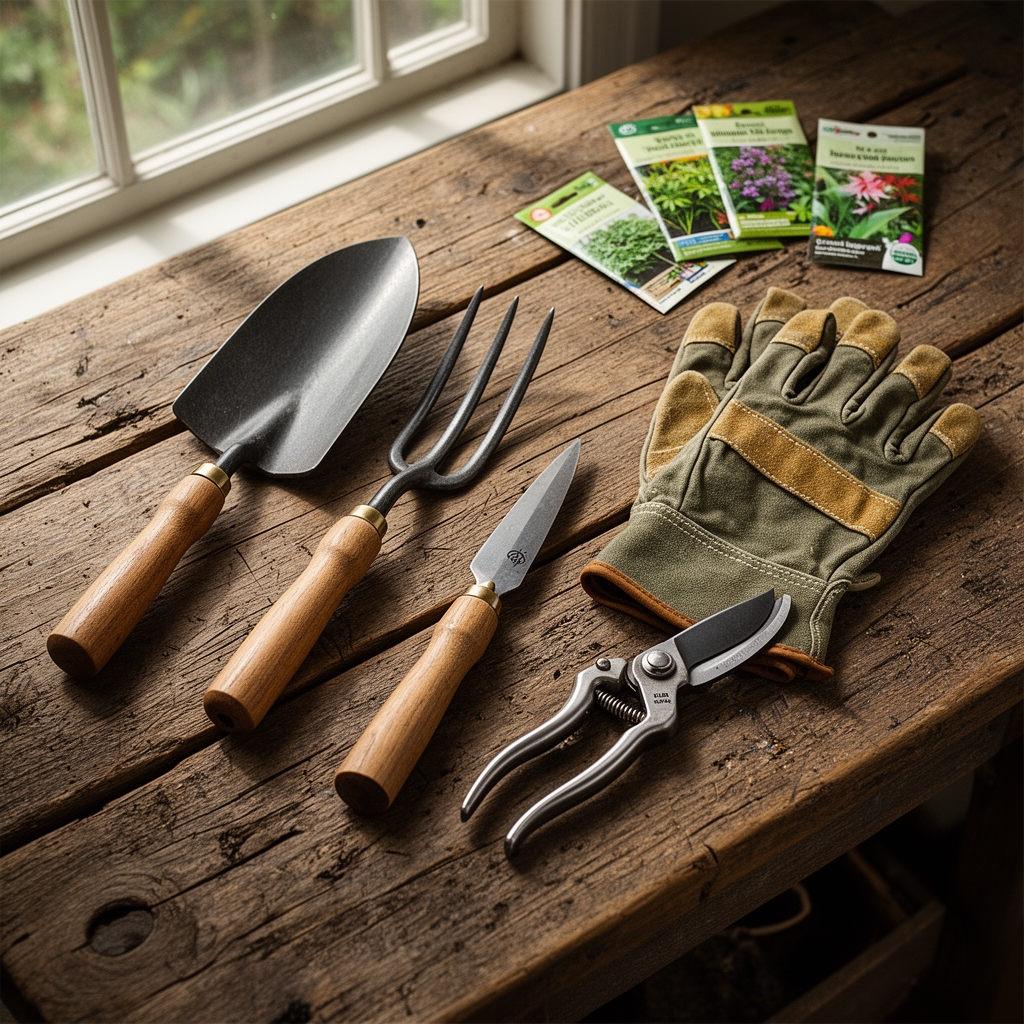
Soil amendments form the foundation. Target a pH of 5.5 to 6.5 using elemental sulfur at 1 pound per 100 square feet if your baseline exceeds 7.0. Incorporate 3 to 4 inches of composted pine bark or aged leaf mold to boost cation exchange capacity and improve drainage. Avoid fresh manure; its nitrogen volatility stresses young feeder roots.
For fertilization, apply a balanced organic amendment rated 4-4-4 or 5-5-5 at planting time. Bloodmeal (12-0-0) and bone meal (3-15-0) may be blended at a 1:2 ratio if you prefer granular control, but avoid exceeding 0.1 pounds of actual nitrogen per 100 square feet in year one. Japanese maples exhibit slow nutrient uptake; excess phosphorus binds micronutrients and triggers chlorosis.
Mycorrhizal inoculant containing Glomus intraradices or Rhizophagus irregularis should be dusted directly onto the root ball at transplant. Studies show colonization rates above 60 percent within eight weeks when inoculant contacts live roots. Purchase inoculant stored below 50 degrees Fahrenheit and used within six months of manufacture.
Mulch with shredded hardwood bark or pine straw, not dyed chips. A 2-inch layer reduces soil temperature fluctuations by 8 to 10 degrees Fahrenheit and suppresses competitive weeds without suffocating surface roots.
Timing
Zone 6 and warmer regions permit fall planting from mid-September through October, giving roots 8 to 10 weeks to establish before dormancy. Zone 5 gardeners should plant in early spring, after soil temperatures stabilize above 50 degrees Fahrenheit but before bud break. Late spring planting forces the tree to allocate carbohydrates to leaf expansion while roots struggle in warming soil.
Avoid transplanting during active shoot elongation, typically May through June. Auxin distribution during this phase prioritizes apical growth over root regeneration. Containerized specimens tolerate summer planting only if irrigation delivers 1 inch of water every 48 hours for the first month.
Monitor last frost dates. Japanese maples leaf out early; a hard freeze below 28 degrees Fahrenheit after bud swell causes tip dieback and delays canopy maturity by four to six weeks.
Phases
Sowing: Germination from seed requires 90 to 120 days of cold stratification at 37 to 41 degrees Fahrenheit. Scarify the seed coat with 180-grit sandpaper for 10 seconds, then soak 24 hours. Sow in flats filled with 50 percent perlite and 50 percent peat, keeping medium at 68 degrees Fahrenheit post-stratification. Germination occurs within 21 days. Seedlings display juvenile foliage and require three years to express cultivar traits if grafted later.
Pro-Tip: Hormone rooting powder at 0.3 percent IBA concentration accelerates root initiation on softwood cuttings taken in June.
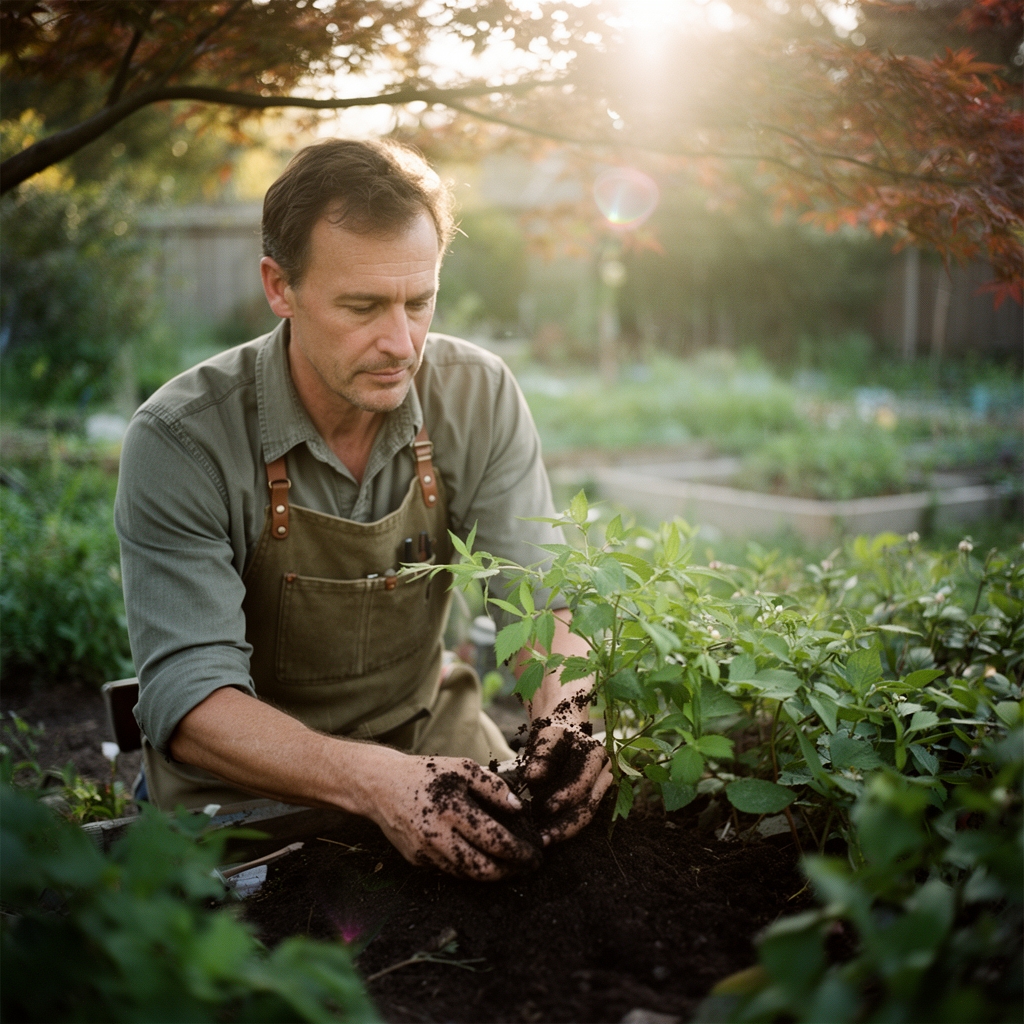
Transplanting: Dig a hole twice the width of the root ball but no deeper. The trunk flare must sit 1 inch above surrounding grade to prevent crown rot. Break circling roots with perpendicular cuts using sterilized pruners; untreated girdling roots reduce lifespan by 40 percent. Backfill with native soil amended 30 percent by volume with compost. Tamp gently to eliminate air pockets, then water with 3 gallons to settle soil.
Pro-Tip: Stake only if wind speeds exceed 20 mph regularly. Use broad fabric straps, never wire, and remove stakes after one growing season to prevent stem girdling.
Establishing: Water every 72 hours for the first month if rainfall totals less than 1 inch per week. Gradually extend intervals to weekly by month three. Install a rain gauge; guesswork leads to either desiccation or waterlogged hypoxia. Apply a second light feeding of 4-4-4 fertilizer at 0.05 pounds actual nitrogen per 100 square feet in late June. Cease nitrogen applications after August 1 to harden tissue before dormancy.
Pro-Tip: Prune only dead or crossing branches in year one. Major structural pruning stresses young trees and invites Verticillium infection through fresh wounds.
Troubleshooting
Symptom: Leaf margins brown and curl inward by July.
Solution: Marginal scorch indicates root desiccation or salt accumulation. Leach soil with 2 inches of water applied over 30 minutes. Test irrigation water for sodium above 50 ppm.
Symptom: Interveinal chlorosis on new growth.
Solution: Iron deficiency, often pH-induced. Apply chelated iron (FeEDDHA) at 1 ounce per 10 gallons of water as a soil drench. Retest pH and adjust to 6.0.
Symptom: Wilting despite moist soil.
Solution: Verticillium dahliae colonizes xylem, blocking water transport. Remove affected branches 6 inches below visible streaking. Sterilize tools with 10 percent bleach between cuts. No chemical cure exists; prevent by avoiding contaminated soil.
Symptom: White cottony masses on bark.
Solution: Mealybugs (Pseudococcidae). Spray horticultural oil at 2 percent concentration, covering all bark surfaces. Repeat every 10 days for three applications.
Symptom: Bark splitting on south-facing trunk.
Solution: Sunscald from radiant heat. Wrap trunk with white tree wrap from November through March. Remove wrap in spring to prevent moisture trapping.
Maintenance
Apply 1 inch of water weekly during the growing season if rainfall is deficient. Install drip irrigation on a timer delivering 0.5 gallons per hour for two hours twice weekly. Test soil moisture at 6 inches depth; roots concentrate here.
Refresh mulch annually to maintain a 2-inch layer, keeping mulch 4 inches away from the trunk. Mulch touching bark invites fungal cankers.
Fertilize each April with 4-4-4 organic fertilizer at 0.1 pounds actual nitrogen per 100 square feet. Trees older than five years may skip fertilization if growth exceeds 6 inches per year.
Prune during dormancy, December through February. Remove branches at 45-degree angles to promote rapid callus formation. Limit removal to 15 percent of canopy mass per year.
FAQ
How deep should I plant a Japanese maple?
Position the trunk flare 1 inch above grade. Planting too deep causes anaerobic conditions and crown rot.
Can I plant in full sun?
Morning sun with afternoon shade is ideal. Full sun increases water demand by 40 percent and causes leaf scorch in Zone 7 and warmer.
What spacing prevents overcrowding?
Allow 8 to 12 feet between specimens for upright cultivars, 15 feet for dissectum types with weeping habits.
Do Japanese maples need winter protection?
In Zone 5, mulch the root zone with 4 inches of shredded leaves. Wrap young trunks to prevent frost cracks.
How long until the tree matures?
Expect 50 percent of mature size in five years, full canopy in 15 years under optimal conditions.