9 Essential Nutrients to Test for Using a Soil Sampler in Your Vegetable Garden
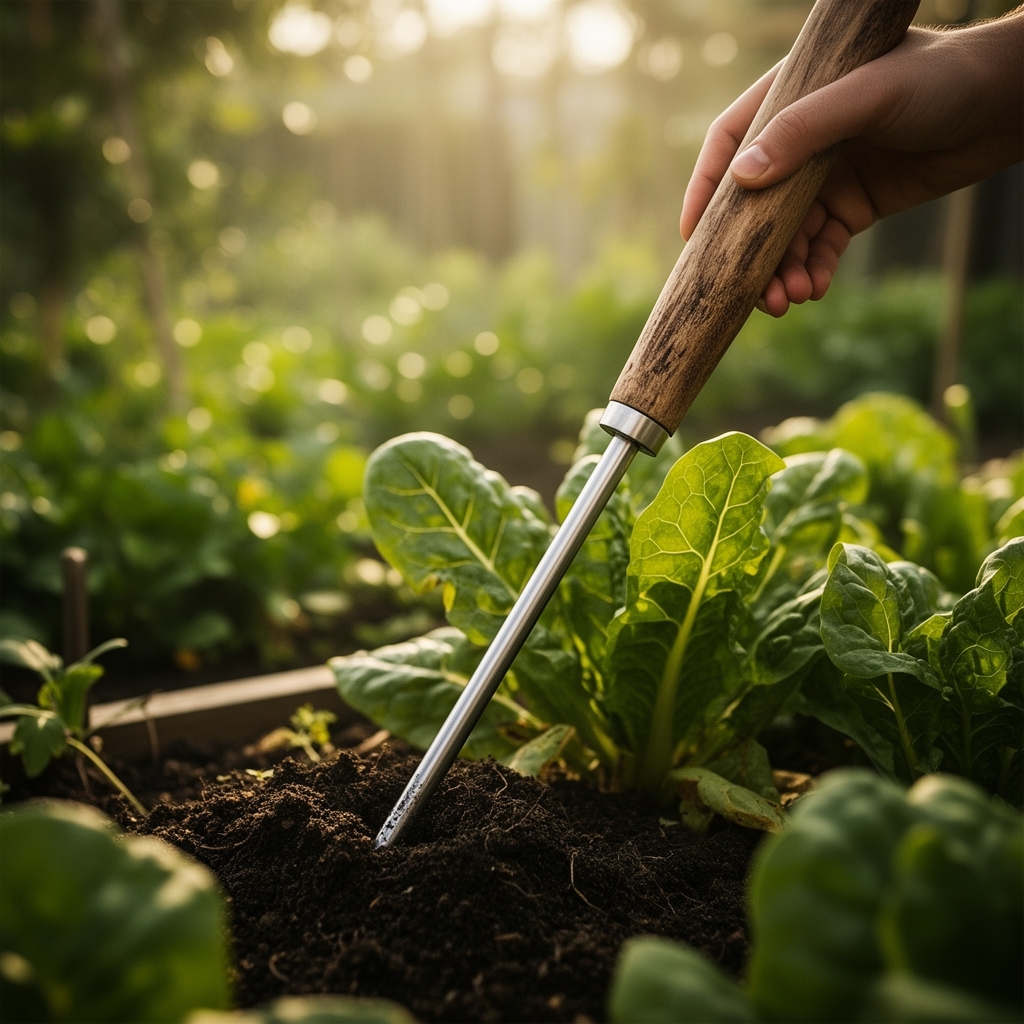
The metallic clink of a soil probe breaking through compacted clay, the earthy funk of humus rising in morning air, the gritty texture of loam sifting through your fingers: these sensations tell only part of your garden's chemical story. Using a soil sampler for vegetable nutrient testing transforms guesswork into precision, revealing the invisible feast (or famine) happening at root level. Most gardeners plant blind, fertilizing based on package instructions rather than actual deficiencies, which wastes money and stresses plants. A proper soil test, collected with a clean sampler at 6-inch depth from multiple zones, identifies the nine nutrients that separate mediocre harvests from prize-winning yields.
Materials and Supplies
Sampling Equipment:
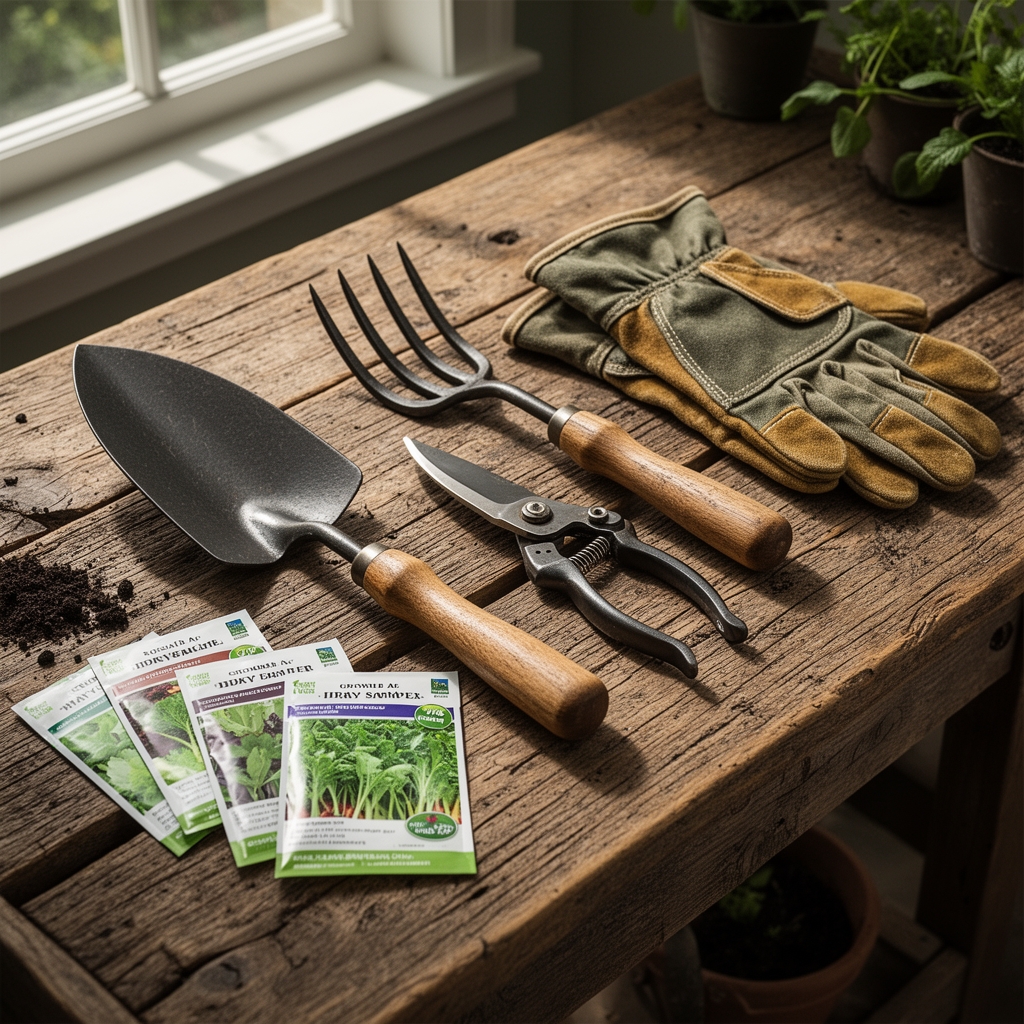
- Stainless steel soil probe (12-inch length minimum)
- Clean plastic bucket (avoid metal, which skews micronutrient readings)
- Ziplock bags or soil test kit containers
- Permanent marker and labels
- Rubbing alcohol for sterilizing probe between samples
Testing Materials:
- Professional lab test kit (measures all nine nutrients plus pH)
- Digital pH meter (calibrated to 0.1 accuracy)
- NPK home test kit for quick checks between lab tests
Amendment Supplies (Based on Test Results):
- Nitrogen boosters: Blood meal (12-0-0), feather meal (13-0-0)
- Phosphorus sources: Bone meal (3-15-0), rock phosphate
- Potassium amendments: Greensand, kelp meal (1-0-2)
- Calcium: Agricultural lime, gypsum
- Sulfur: Elemental sulfur, aluminum sulfate
- Micronutrient blends: Azomite, glacial rock dust
Target pH for most vegetables sits between 6.0 and 7.0. Brassicas prefer 6.5 to 7.0, while potatoes and blueberries thrive at 5.0 to 6.0.
Timing and Growing Schedule
Sample Collection Windows:
- Primary testing: Late fall (October to November), allowing winter for slow-release amendments to integrate
- Secondary testing: Early spring (March to April), 4 to 6 weeks before planting
- Mid-season checks: July for heavy feeders like tomatoes
Hardiness Zone Considerations:
- Zones 3 to 5: Sample after first hard freeze when soil biology slows
- Zones 6 to 8: Sample during dormant period (December to February)
- Zones 9 to 11: Sample during coolest, driest months
Days to Amendment Activation:
- Lime adjustments: 90 to 120 days for full pH change
- Sulfur acidification: 60 to 90 days
- Organic fertilizers: 14 to 21 days for nitrogen mineralization
- Rock minerals: 180+ days for initial availability
Sample every three years minimum for established gardens. Annual testing suits intensive production or new plots.
Step-by-Step Instructions for Soil Sampling

Phase 1: Collection Preparation
Remove surface debris (mulch, leaves) from sampling zones. Avoid recently fertilized areas, compost piles, or spots where pets eliminate. Create a mental grid dividing your garden into sections based on crop rotation history. Different vegetable families deplete specific nutrients.
Sterilize your probe with rubbing alcohol between zones. Insert the probe vertically to 6-inch depth (root zone for most vegetables). Extract the core and place it in your clean bucket. Repeat 10 to 15 times per section, zigzagging your sampling pattern.
Pro-Tip: Sample problem areas separately from productive zones. The contrast reveals which nutrients correlate with plant performance in your specific microclimate.
Phase 2: Sample Processing
Mix all cores from one section thoroughly in the bucket, breaking up clumps. Remove rocks, roots, and worms. Fill your lab container with approximately 1 to 2 cups of the mixed sample. Label with date, garden section, and previous crops grown in that zone.
Air-dry samples for 24 hours if testing isn't immediate. Never oven-dry soil, which destroys organic matter and skews carbon readings.
Pro-Tip: Include a separate sample from your compost pile. Comparing finished compost nutrient levels to garden soil identifies which amendments your compost provides versus what you need to supplement.
Phase 3: Interpreting Results
Professional labs return values in parts per million (ppm) or pounds per acre. Focus on these nine critical nutrients and their optimal ranges for vegetables:
- Nitrogen (N): 20 to 40 ppm (highly variable, changes within weeks)
- Phosphorus (P): 30 to 50 ppm (affects root development and fruiting)
- Potassium (K): 150 to 250 ppm (disease resistance and fruit quality)
- Calcium (Ca): 1,000 to 1,500 ppm (cell wall strength, prevents blossom end rot)
- Magnesium (Mg): 120 to 250 ppm (chlorophyll production)
- Sulfur (S): 10 to 20 ppm (protein synthesis)
- Iron (Fe): 25 to 75 ppm (prevents chlorosis)
- Manganese (Mn): 10 to 50 ppm (nitrogen fixation helper)
- Boron (B): 0.5 to 2.0 ppm (critical for fruiting vegetables)
Pro-Tip: Ratios matter more than absolute values. The calcium-to-magnesium ratio should fall between 5:1 and 7:1. Excess magnesium locks out calcium regardless of calcium abundance.
Nutritional and Environmental Benefits
Balanced soil nutrition produces vegetables with superior mineral density. Laboratory analysis of tomatoes grown in properly tested and amended soil shows 30% higher lycopene, 25% more vitamin C, and measurably increased iron compared to conventionally fertilized crops.
Mycorrhizal fungi colonize roots more aggressively in balanced-nutrient soils, extending the effective root zone by 10 to 100 times. These fungal networks access phosphorus and trace minerals beyond root reach, trading them for plant sugars.
Proper boron levels increase flower production, directly benefiting native pollinators. Mason bees, which visit gardens within 300 feet of their nests, show preference for plants with adequate boron and calcium. These minerals strengthen pollen tube development, producing more viable pollen.
Sulfur adequacy suppresses soil-borne fungal pathogens. Soils testing above 15 ppm sulfur show reduced incidence of Fusarium and Verticillium wilts in susceptible crops like tomatoes and peppers.
Advanced Methods
Small Space Optimization:
Container gardeners should test potting mix every season. Containers leach nutrients rapidly through drainage. Target higher baseline levels: phosphorus 50 to 75 ppm, potassium 200 to 300 ppm. Mix amendments directly into growing media before planting.
Vertical gardens on trellises require extra calcium. Spray calcium chloride solution (1 tablespoon per gallon) biweekly on leaves of climbing beans and cucumbers.
Organic and Permaculture Approaches:
Build nitrogen fixation capacity by inoculating legume seeds with Rhizobium bacteria. Test soil nitrogen before and after legume crops. Well-inoculated peas can add 50 to 150 pounds of nitrogen per acre.
Sheet mulching over tested, amended soil preserves nutrient balance while building organic matter. Avoid thick mulch directly over deficient soil without correction; it slows amendment integration.
Season Extension Techniques:
Cold frames and hoop houses concentrate root zones in smaller areas. Test these protected spaces separately. Enclosed environments accumulate salts from fertilization, requiring periodic leaching with pH-neutral water.
Test protected soil pH monthly during winter production. Reduced nitrogen mineralization in cold soil requires supplemental liquid feeding (fish emulsion 5-1-1 diluted to half-strength weekly).
Troubleshooting Common Soil Sampling Errors
Symptom: Test shows adequate nitrogen, but plants exhibit yellowing and stunted growth.
Solution: Check soil temperature. Nitrogen mineralization halts below 50°F. Apply liquid nitrogen source, or wait for soil warming. Retest in different season to establish true baseline.
Symptom: Multiple nutrients test high, yet plants underperform.
Solution: Examine pH. Nutrients lock out at extreme pH levels. Phosphorus becomes unavailable above 7.5. Iron and manganese lock out above 6.5. Correct pH first, retest in 60 days.
Symptom: Test results vary wildly between lab tests taken weeks apart.
Solution: Nitrogen fluctuates rapidly based on temperature, moisture, and microbial activity. Focus on stable nutrients (phosphorus, potassium, calcium) for baseline. Test nitrogen separately with quick home kits during growing season.
Symptom: One section tests drastically different from surrounding areas despite similar treatment.
Solution: Check for buried debris (concrete, treated lumber), previous structures, or drainage patterns that concentrate or leach nutrients. Treat problem zones separately or excavate and replace soil.
Symptom: Micronutrient deficiencies appear despite test showing adequate levels.
Solution: Suspect nutrient antagonism. Excess phosphorus blocks iron, zinc, and manganese uptake. High potassium locks out magnesium and calcium. Reduce the excess element rather than adding more deficient element.
Storage and Maintenance Protocols
Watering Integration:
Deliver 1 to 1.5 inches of water weekly during active growth. Drip irrigation preserves nutrient placement, while overhead watering leaches mobile nitrogen and potassium. Install rain gauge to track natural precipitation.
Heavy irrigation after amendment application helps integrate materials. Apply 2 inches of water immediately after spreading lime or sulfur.
Feeding Schedules:
Side-dress heavy feeders (tomatoes, squash, corn) with compost or balanced organic fertilizer (5-5-5) every 4 weeks. Apply in 6-inch band alongside plant rows, keeping material 3 inches from stems.
Foliar feed micronutrients (iron, manganese, boron) as liquid spray. Leaves absorb nutrients within hours, bypassing soil chemistry issues. Apply early morning when stomata open. Use kelp extract (diluted per label) for broad-spectrum micronutrient boost.
Post-Harvest Actions:
Collect another soil sample immediately after final harvest. This reveals nutrient depletion patterns specific to crops grown. Calculate replacement needs based on what disappeared during the season.
Plant cover crops (winter rye, crimson clover, hairy vetch) to prevent erosion and nutrient leaching. Legume covers add nitrogen; grasses scavenge residual nutrients, holding them until spring incorporation.
Store unused amendments in sealed containers away from moisture. Lime and sulfur remain stable for years. Organic fertilizers lose potency after 18 months as nitrogen volatilizes.
Conclusion
Success in vegetable gardening starts below ground, where invisible chemistry determines every outcome. Using a soil sampler for vegetable nutrient testing converts soil from mystery to manageable resource, allowing precise corrections that maximize both yield and nutrition. Test thoroughly, amend strategically, and retest to verify changes.
Join your local garden club or extension service Master Gardener program. Share your soil test results and amendment strategies with neighbors facing similar conditions.
Expert FAQs
How deep should I insert a soil sampler for accurate vegetable garden testing?
Insert the probe to 6 inches for annual vegetables, 8 inches for perennial crops like asparagus. Sampling too shallow (0 to 3 inches) captures concentrated organic matter and fertilizer residue, skewing nitrogen readings artificially high while missing root zone conditions.
Can I use the same soil sample for pH and nutrient testing?
Yes. Professional labs run both analyses from a single sample. Home test kits may require separate samples due to different chemical processes. Ensure sample size meets lab requirements (typically 1 to 2 cups total).
How soon after applying fertilizer can I collect an accurate soil sample?
Wait 30 days minimum after any amendment application. Organic materials require 14 to 21 days for initial breakdown. Synthetic fertilizers need 7 to 10 days to disperse evenly. Testing too soon measures fertilizer concentration rather than soil-holding capacity.
What time of day produces the most accurate soil sample?
Sample when soil reaches average moisture, typically mid-morning after dew evaporates. Avoid bone-dry or saturated soil. Moisture affects how nutrients bind to soil particles. Consistent moisture between sampling sessions allows accurate year-to-year comparisons.
Should I test different garden beds separately or combine samples?
Test separately if beds receive different amendments, grow distinct crop families, or show performance differences. Combine samples only from areas treated identically. Most home gardens benefit from 2 to 4 separate tests representing crop rotation zones.