9 Steps to Prepare a Desert-Themed Garden
Learning how to prepare a garden for a desert theme begins with understanding that true desert adaptation involves more than decorative rock and sparse planting. Desert ecosystems rely on precise water distribution, mineral-rich soils with specific drainage characteristics, and plants engineered through millions of years to extract moisture from air and dew. The transformation requires stripping away organic-heavy topsoil, reconstituting substrate composition, and selecting species based on their root architecture rather than aesthetic alone. This process mirrors the ecological succession patterns found in Sonoran and Mojave environments, where cation exchange capacity remains low and nutrient cycling operates on fundamentally different timescales than temperate gardens.
Materials
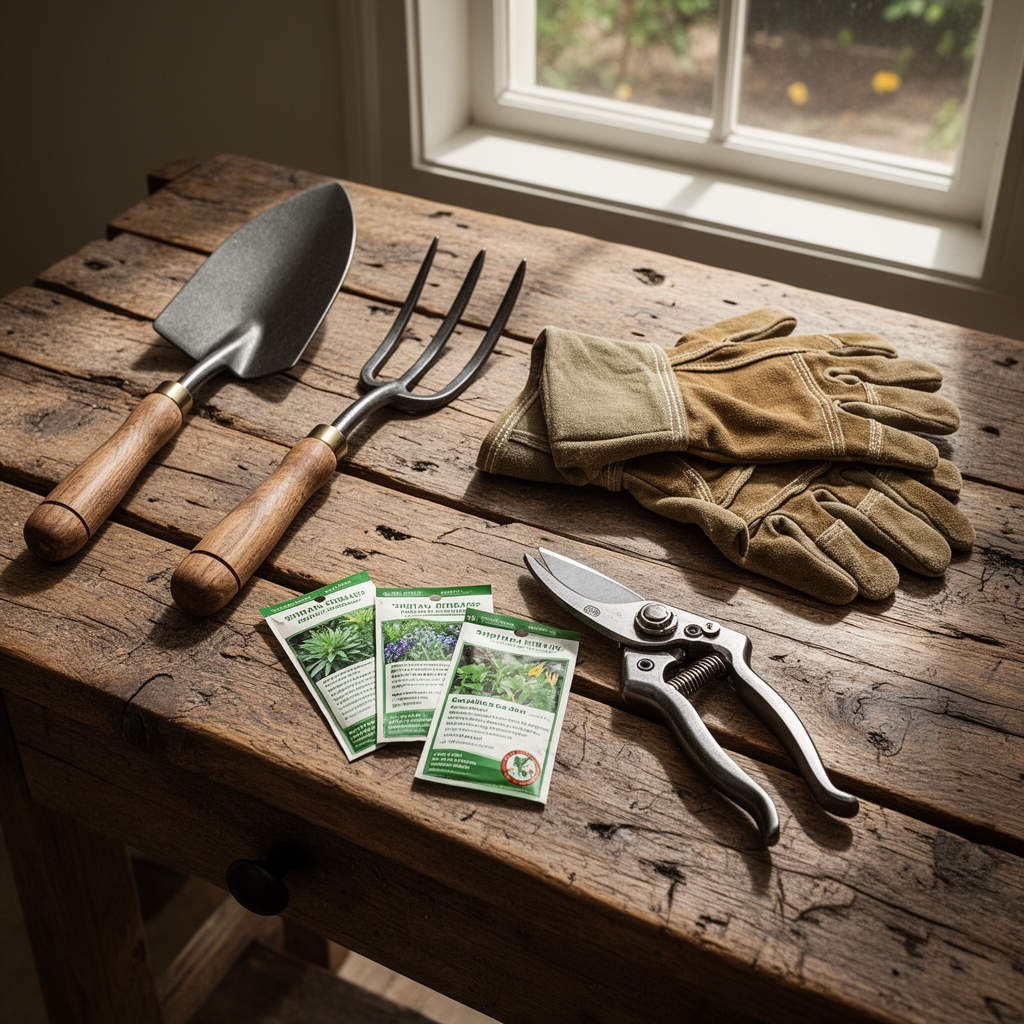
Substrate amendment begins with coarse sand, minimum 2mm grain size, at 60% volume ratio. Avoid builder's sand containing clay fines. Pea gravel (6-10mm) provides the structural drainage layer at 20% volume. Decomposed granite contributes trace minerals and stabilizes pH between 7.0-8.5, the alkaline range most desert natives require.
Organic matter must remain minimal. A 4-4-4 slow-release organic meal applied at 1 pound per 100 square feet supplies baseline nitrogen without encouraging lush growth that desert plants cannot support. Bone meal (3-15-0) addresses phosphorus needs for Agave and Yucca root development at 2 pounds per 100 square feet, incorporated to 8-inch depth.
Mycorrhizal inoculant specific to ericoid and arbuscular types establishes symbiotic networks. Desert species form these associations to extend effective root zones by 400%. Purchase from commercial suppliers providing 120 propagules per gram minimum.
Crushed limestone raises pH if existing soil tests below 6.8. Apply at 5 pounds per 100 square feet for each half-point adjustment needed. Elemental sulfur lowers pH in rare cases where alkaline soil exceeds 8.8, applied at 1 pound per 100 square feet per half-point reduction.
Timing
Hardiness zones 8-11 support authentic desert theming without winter protection. Zone 7 gardeners must select cold-hardy Opuntia and Yucca filamentosa variants that tolerate -10°F.
Site preparation occurs in fall, September through October, allowing substrate to settle and integrate over winter. Spring installation follows last frost by 3-4 weeks when soil temperature stabilizes above 60°F at 4-inch depth. This typically spans mid-April in zone 8, mid-March in zone 9, and February in zones 10-11.
Avoid summer installation. Root establishment demands consistent moisture during the first 60 days, and evapotranspiration rates exceeding 0.3 inches daily create impossible water balance equations for new transplants.
Phases
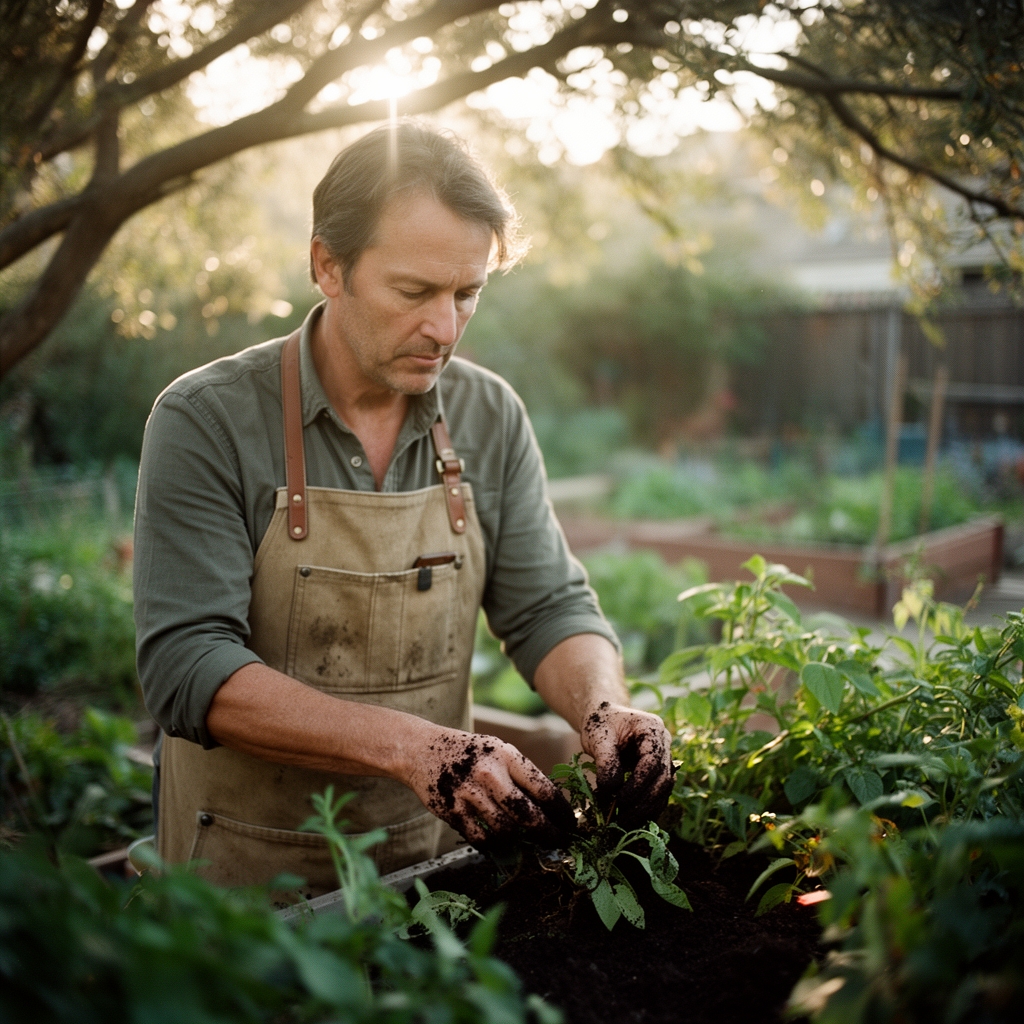
Site Assessment and Soil Removal
Excavate existing topsoil to 12-inch depth across the entire planting area. Rich organic soil retains moisture and encourages root rot in drought-adapted species. Test remaining subsoil for drainage by filling the excavated area with water. Complete drainage within 4 hours indicates adequate percolation. Slower rates require additional excavation or installation of French drains with 4-inch perforated pipe bedded in gravel.
Pro-Tip: Slope the finished grade at 2% away from structures to prevent water accumulation during monsoon-equivalent rainfall events.
Substrate Construction
Layer materials in precise order. Place 3 inches of pea gravel as the foundation drainage layer. Mix remaining sand, decomposed granite, and reserved subsoil in a 3:1:1 ratio. Incorporate mycorrhizal inoculant and fertilizer amendments during mixing, not after. This ensures even distribution and prevents root burn from concentrated pockets.
Fill excavation with mixed substrate, compacting every 3 inches using hand tampers. Final surface should sit 1 inch above surrounding grade to account for settling. Water thoroughly with 1 inch to reveal low spots requiring additional fill.
Pro-Tip: Inoculate substrate with 5 gallons of native soil collected from healthy desert environments. This introduces specialized bacteria that process atmospheric nitrogen through cyanobacterial crusts.
Plant Installation
Select container stock in 1-gallon or smaller sizes. Desert plants resent root disturbance, and smaller specimens establish faster than larger material. Space according to mature canopy spread, typically 4-6 feet for most Agave and Yucca species.
Dig planting holes no deeper than root ball height but twice as wide. Desert plants form shallow, spreading root systems rather than deep taproots contrary to common belief. Position crown 1 inch above substrate surface to prevent crown rot.
Backfill with native substrate without amendment. Create a 2-inch tall water basin at the drip line using excess soil. Apply 2-3 inches of crushed granite mulch, keeping material 3 inches away from plant crowns.
Pro-Tip: Prune damaged roots at 45-degree angles before planting. Clean cuts promote auxin distribution and faster regeneration than torn or crushed tissue.
Establishment Phase
Water every 3 days for the first 2 weeks, applying 1 gallon per plant. Reduce to weekly watering for weeks 3-8. Month three initiates the hardening process with water every 10 days. By month four, most species survive on natural rainfall alone in appropriate climate zones.
Pro-Tip: Water in early morning only. Afternoon watering raises humidity during peak heat, encouraging fungal pathogens foreign to true desert conditions.
Troubleshooting
Symptom: Basal stem darkening and soft tissue in Agave.
Solution: Crown rot from excessive moisture or buried stem tissue. Excavate around crown, exposing top 2 inches. Reduce watering to every 14 days. Apply copper fungicide at label rates.
Symptom: Yellow stippling on Opuntia pads with fine webbing.
Solution: Spider mites thrive in dry conditions. Blast pads with water at 40 PSI weekly. Introduce predatory mite Phytoseiulus persimilis at 50 individuals per plant.
Symptom: Elongated, pale new growth on established specimens.
Solution: Etiolation from insufficient light or excessive nitrogen. Desert plants require 8+ hours direct sun. Eliminate supplemental feeding. Prune affected growth to restore compact form.
Symptom: White cottony masses at leaf axils.
Solution: Mealybugs extract phloem sap. Swab with 70% isopropyl alcohol using cotton applicators. Release Cryptolaemus montrouzieri beetles at 2-5 per plant for biological control.
Symptom: Blackened leaf tips on Yucca despite adequate water.
Solution: Fluoride toxicity from tap water. Switch to rainwater or allow tap water to sit uncovered for 48 hours before application. Fluoride volatilizes partially during this period.
Maintenance
Fertilize established plantings once annually in early spring using 2-4-3 formulation at half the manufacturer's recommended rate. Desert species evolved in nutrient-poor environments and excessive feeding produces weak, disease-prone growth.
Water established gardens every 21 days during growing season, applying 1 inch measured with rain gauge. Cease supplemental water from November through February, allowing full dormancy.
Remove dead leaves and spent flower stalks using sterilized pruning shears. Cut flush with main stem at 90-degree angles to minimize wound surface area. Desert plants compartmentalize damage slowly, making clean cuts essential.
Refresh granite mulch annually, maintaining 2-3 inch depth. Mulch suppresses weeds that exploit any available moisture and moderates soil temperature fluctuations that can reach 40°F between day and night.
Divide clumping species like Agave every 5-7 years. Remove offsets in spring when they reach one-third the size of parent plants. Allow cut surfaces to callus for 3-5 days before replanting.
FAQ
How often should I water a desert-themed garden?
Established desert gardens require 1 inch of water every 21 days during the growing season. Newly installed plants need water every 3 days for two weeks, then weekly for two months.
Can I create a desert garden in humid climates?
Humid regions require raised beds with 18-inch substrate depth and aggressive drainage systems. Select humidity-tolerant species like Yucca filamentosa and Opuntia humifusa rather than true desert natives.
What soil pH do desert plants need?
Most desert species thrive between pH 7.0-8.5. Test soil annually and adjust with limestone if pH drops below 6.8. Sulfur application is rarely necessary.
Do desert plants need fertilizer?
Apply 2-4-3 fertilizer once yearly at half strength. Excessive nutrients cause abnormal growth patterns and reduce drought tolerance by encouraging water-dependent tissue.
How deep should I plant Agave and Yucca?
Position crowns 1 inch above soil surface. Buried crowns trap moisture and promote fatal crown rot. These plants form shallow root systems that spread laterally rather than vertically.