9 Steps to Prepare a Specialized Tool Chest
The metal tang of clean steel and the earthy scent of potting soil combine when you organize your workspace correctly. Learning how to prepare a tool chest for garden accessories transforms chaotic mornings into efficient planting sessions. A properly configured chest places the right implement within arm's reach at the exact moment you need it, reducing wasted motion and protecting precision instruments from humidity damage. Professional nurseries maintain strict tool protocols because a well-maintained edge or calibrated dibber affects transplant survival rates by up to 30 percent.
Materials
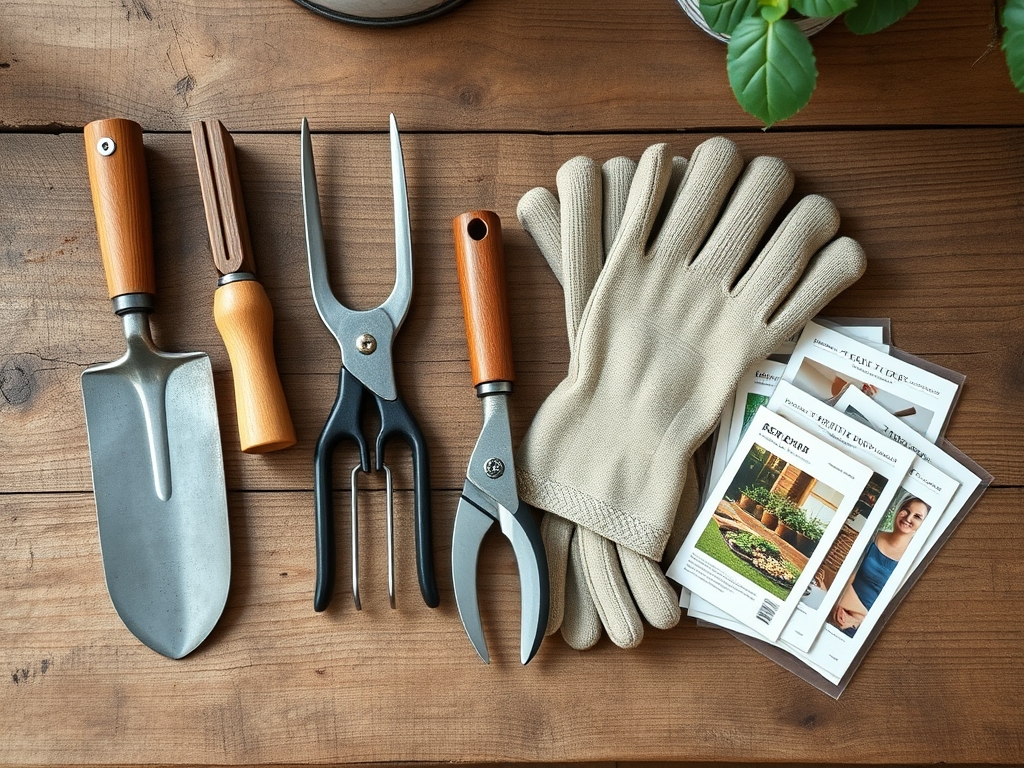
Select a chest constructed from marine-grade plywood or powder-coated steel to withstand humidity fluctuations between 40 and 70 percent. Line the base with cork sheeting cut to 1/4-inch thickness to absorb condensation and prevent rust on carbon steel blades. Install magnetic strips rated for 5 pounds per linear foot along interior walls to secure hand pruners, hori-hori knives, and folding saws.
Compartmentalize amendments by their NPK profiles. A 4-4-4 all-purpose organic meal derived from feather meal, bone meal, and kelp belongs in a sealed canister with a desiccant pack. Store high-phosphorus transplant starter (3-9-4) separately from nitrogen-rich blood meal (12-0-0) to prevent cross-contamination. Label each container with both common name and guaranteed analysis. Keep pH adjustment materials in dedicated sections: elemental sulfur for lowering pH and dolomitic limestone for raising it. Both should be stored in moisture-proof bags with gamma-seal lids.
Include mycorrhizal inoculant powder containing Glomus intraradices at a concentration of 120 propagules per gram. This symbiotic fungus colonizes root cortex cells and extends the effective rooting zone by up to 700 percent. Store in an opaque container below 75 degrees Fahrenheit to maintain spore viability.
Timing
Organize tools according to the USDA Hardiness Zone calendar relevant to your location. In Zone 5, prepare cold-season implements by March 15, two weeks before the average last frost date of April 1. Transplant trowels, dibbers, and row markers should occupy the top tray during this window.
Transition the chest configuration on May 15 when soil temperatures reach 60 degrees Fahrenheit at a 4-inch depth. Move grafting knives and budding strips to the primary layer as woody ornamentals enter active cambium growth. By July 1, when most annuals have established and maintenance pruning begins, position bypass pruners and disinfectant spray bottles in the most accessible compartment.
In Zone 7, shift these dates forward by three weeks. Zone 9 gardeners should maintain summer configuration year-round but segregate tools for cool-season brassicas into a secondary section from October through February.
Phases

Sowing Phase: Dedicate the top drawer to seed-starting tools from February through April. Include cell pack fillers, label stakes, waterproof markers, and a soil thermometer with a 12-inch probe. Pre-measure fertilizer dilutions: mix 1 tablespoon of 20-20-20 water-soluble formula per gallon in labeled bottles.
Pro-Tip: Store seeds in glassine envelopes within a sealed container holding silica gel beads to maintain 5-8 percent moisture content, the optimal range for maintaining 85 percent germination rates over three years.
Transplanting Phase: Configure the middle tray for transplant operations from late April through June. Position root hormone powder containing 0.1 percent indole-3-butyric acid next to transplant trowels. Keep a 1:10 bleach solution in a spray bottle for sterilizing tools between specimens to prevent damping-off pathogen transmission.
Pro-Tip: Sharpen transplant trowel edges to a 22-degree angle using a mill bastard file. This specific angle cuts through root-bound masses without crushing vascular tissue, preserving auxin distribution channels.
Establishing Phase: From June through August, prioritize maintenance tools. Stock pruning shears calibrated to cut stems up to 3/4 inch diameter cleanly. Include Japanese weeding knives with 7-inch blades for precise dandelion taproot extraction without disturbing adjacent root zones.
Pro-Tip: Apply a single drop of camellia oil to pivot points of cutting tools after each use. This pH-neutral lubricant prevents oxidation without introducing petroleum residues that interfere with wound callusing.
Troubleshooting
Symptom: Rust blooms on carbon steel blades despite regular cleaning.
Solution: Increase air circulation by drilling 1/4-inch ventilation holes on opposing chest sides. Place two 40-gram silica gel canisters in bottom corners and recharge monthly at 250 degrees Fahrenheit for two hours.
Symptom: Wooden handles develop checking and cracks.
Solution: Apply boiled linseed oil in three thin coats, allowing 24-hour cure time between applications. This treatment penetrates 1/16 inch into ash or hickory grain, stabilizing moisture content at 12 percent.
Symptom: Cutting edges dull rapidly during the growing season.
Solution: Hone blades weekly using a 1000-grit waterstone at a consistent 20-degree angle. Finish with five strokes on a 6000-grit stone to achieve a polished edge that maintains sharpness through 40 percent more cuts.
Symptom: Amendment containers develop clumping despite sealed storage.
Solution: Add one tablespoon of food-grade diatomaceous earth per pound of hygroscopic material. This increases particle spacing and absorbs excess moisture without altering NPK values.
Maintenance
Inspect tool edges weekly during active growing season. Sharpen when thumb-pressure testing reveals the blade cannot cleanly slice newsprint. Empty and vacuum the chest interior monthly, removing soil particles that retain moisture and accelerate corrosion. Recoat steel surfaces with a thin film of mineral oil every six weeks.
Water infiltration destroys chest integrity rapidly. Apply exterior-grade polyurethane in three coats to wooden chests annually before the rainy season. Check gasket seals quarterly and replace any that compress to less than 1/8 inch thickness.
Recalibrate soil thermometers against a mercury standard each spring. A 2-degree error delays seed germination by up to five days, compressing the establishment window before summer heat stress.
FAQ
How often should I sterilize cutting tools?
Sterilize between each plant when working with susceptible species like tomatoes or roses. Dip blades in 70 percent isopropyl alcohol for 30 seconds or flame-sterilize for 5 seconds until metal glows faint red.
What is the ideal chest size for a 1000-square-foot garden?
A 24-inch wide by 18-inch deep by 16-inch tall chest provides sufficient volume for core implements without encouraging clutter. This size fits through standard 32-inch doorways for seasonal indoor storage.
Can I store liquid fertilizers in the tool chest?
Only if ambient temperature remains between 40 and 85 degrees Fahrenheit. Freeze-thaw cycles rupture containers and degrade chelated micronutrients. Store concentrates in a climate-controlled space and transfer daily-use quantities to the chest.
How do I prevent cross-contamination between organic and synthetic amendments?
Install a vertical divider at chest midpoint. Dedicate one side exclusively to OMRI-listed organic inputs and the opposite side to conventional products. Use separate scoops marked with permanent labels.
What is the maximum tool weight the chest should hold?
Limit total weight to 60 pounds for portability. This threshold allows one person to move the chest using proper lifting mechanics without risking lumbar strain or dropped equipment.