7 Maintenance Steps to Use a Tropical Plant Humidifier
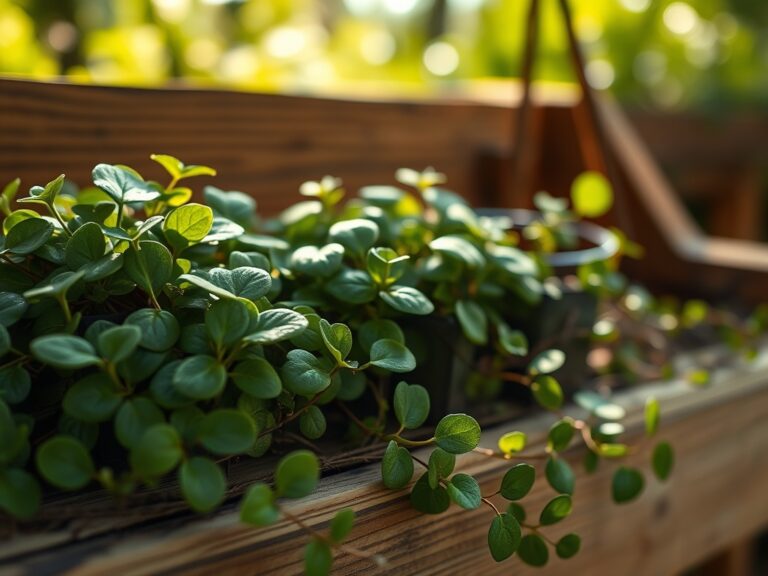
Humidity gradients determine whether a Monstera deliciosa will produce fenestrations or revert to juvenile foliage. When using a plant humidifier for tropical collections, the invisible boundary between thriving epiphytes and desiccated specimens often measures less than 15% relative humidity. Tropical plants evolved under canopy cover where moisture levels remain between 60% and 90% year-round. Interior environments with forced-air heating drop to 20% in winter, triggering stomatal closure, halted transpiration, and crispy leaf margins. A dedicated humidifier bridges this physiological gap, enabling proper auxin distribution and cellular turgor pressure that mimics equatorial conditions.
Materials
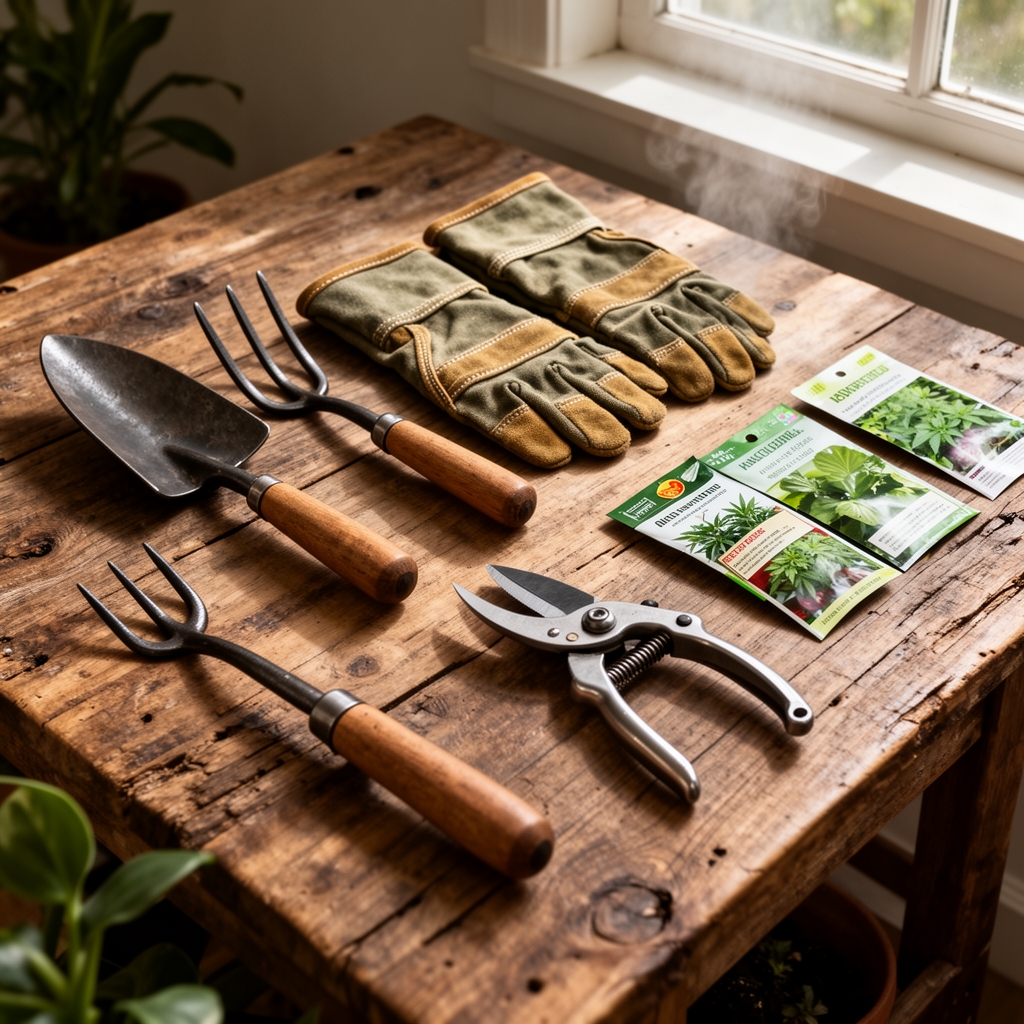
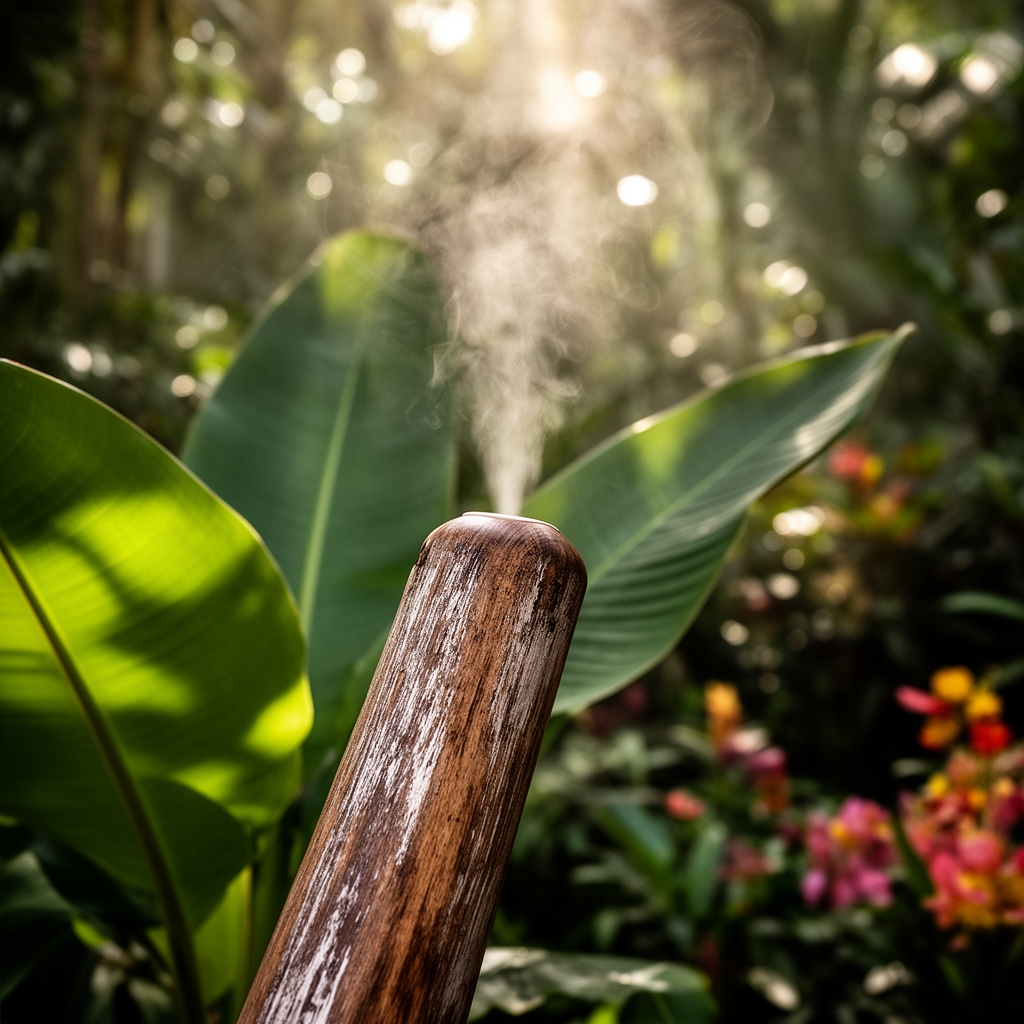
Select an ultrasonic or evaporative humidifier with a 1.5-gallon minimum reservoir capacity. Ultrasonic models emit a cool mist through ceramic diaphragm vibration at 1.7 MHz, ideal for temperature-sensitive orchids and Anthuriums. Evaporative units draw air through a saturated wick, producing no white mineral dust but requiring weekly filter replacement.
Use distilled or reverse-osmosis water with total dissolved solids below 50 ppm. Tap water introduces calcium carbonate and chlorine, which coat leaf surfaces and interfere with stomatal function. A hygrometer with ±3% accuracy placed at canopy height monitors real-time conditions. Digital models with data logging track diurnal fluctuations.
For water treatment, add 1 milliliter of 3% hydrogen peroxide per gallon weekly to suppress bacterial biofilm. Avoid essential oils or fragrance additives; volatile organic compounds damage plant cuticles. Keep a gallon jug of distilled water at room temperature to prevent thermal shock when refilling the reservoir.
A small oscillating fan set to low speed ensures air circulation without desiccation. Stagnant humid air invites Botrytis cinerea and other fungal pathogens. Position the fan to create gentle movement, approximately 50-100 feet per minute across foliage.
Timing
Deploy humidifiers when indoor relative humidity drops below 50%, typically mid-October through early April in USDA Hardiness Zones 5-7. Southern growers in Zones 8-10 need supplemental humidity only during air conditioning season when dehumidification lowers ambient moisture.
Monitor photoperiod changes. As daylight shortens below 12 hours, tropical plants enter semi-dormancy. They transpire less but remain vulnerable to dry air. Begin humidification two weeks before the first expected frost date in your zone.
In desert climates (Zones 9b-11 with less than 15 inches annual rainfall), year-round humidification becomes necessary for species like Calatheas and Alocasias. These regions require two-unit tandem operation to maintain adequate moisture in rooms larger than 200 square feet.
Phases

Establishment Phase (Days 1-14): Place the humidifier 3-5 feet from the nearest plant. Direct mist should never contact foliage; this causes edema and bacterial lesions. Set output to achieve 55-60% relative humidity initially. Abrupt increases shock plants acclimated to dry conditions.
Pro-Tip: Introduce beneficial microbes during this phase. Mix 1 gram of Trichoderma harzianum per gallon of reservoir water. This fungal species colonizes root zones and suppresses pathogenic organisms attracted to elevated moisture.
Optimization Phase (Weeks 3-6): Gradually increase humidity to 65-70% by extending runtime. Most units offer adjustable mist intensity and automatic shut-off at target levels. Position plants in concentric circles, with moisture-demanding aroids closest to the unit and more tolerant Ficus species at the perimeter.
Pro-Tip: Prune competing stems at a 45-degree angle just above an axillary bud during this phase. Higher humidity accelerates callus formation and reduces pathogen entry at wound sites. Apply cinnamon powder as a natural antifungal desiccant to fresh cuts.
Maintenance Phase (Week 7 onward): Clean the reservoir every 5-7 days. Empty completely, scrub with white vinegar (5% acetic acid), rinse three times, and air-dry for 30 minutes before refilling. Replace wicks or filters monthly. Calcium buildup reduces output efficiency by 40% within eight weeks.
Pro-Tip: Rotate plant positions every two weeks. Uneven humidity distribution creates microclimates. Leaves facing away from the mist source develop at slower rates, producing asymmetrical growth patterns.
Troubleshooting
Symptom: White residue on leaves and surrounding surfaces.
Solution: Switch to distilled water immediately. Clean existing deposits with a 1:4 solution of white vinegar and distilled water on a microfiber cloth. This mineral accumulation blocks light absorption and clogs stomata.
Symptom: Yellowing lower leaves with black petioles.
Solution: Reduce humidity below 75%. Excessive moisture combined with poor air circulation enables Pythium root rot. Increase fan speed and allow the top 2 inches of soil to dry between waterings.
Symptom: Powdery gray mold on leaf surfaces.
Solution: Botrytis cinerea thrives at 70%+ humidity with temperatures below 65°F. Raise ambient temperature to 68-72°F and ensure the humidifier never runs at night when photosynthesis ceases and plants cannot process moisture.
Symptom: Brown leaf edges despite adequate humidity.
Solution: Check cation exchange capacity of the growing medium. Compacted soil prevents water uptake even in humid environments. Repot in a mixture of 40% orchid bark, 30% peat, 20% perlite, and 10% worm castings (approximate NPK 1-0-0).
Symptom: No mist output or weak vapor stream.
Solution: Descale the ultrasonic disc with undiluted white vinegar for 20 minutes. Rinse thoroughly. Hard water deposits insulate the ceramic element, reducing vibration efficiency.
Maintenance
Refill the reservoir when water levels drop to 25% capacity, typically every 24-36 hours depending on output settings. Use water at 65-70°F to prevent condensation shock.
Measure relative humidity at three heights: floor level, mid-canopy (18-24 inches), and upper canopy (36-48 inches). Readings should vary less than 8% between zones. Larger variances indicate inadequate air mixing.
Apply a foliar spray of 1 teaspoon kelp extract (NPK 1-0.5-2.5) per quart of distilled water biweekly. Elevated humidity enhances stomatal absorption of micronutrients including iron, manganese, and zinc.
Inspect leaf undersides weekly with a 10x jeweler's loupe. Spider mites (Tetranychus urticae) reproduce faster in dry air but migrate to humid environments seeking refuge. Early detection prevents exponential population growth.
Empty and sanitize the humidifier monthly with a 10% bleach solution (sodium hypochlorite). Rinse five times. Biofilm accumulation releases bacteria into the air, which settle on leaf surfaces and trigger disease.
FAQ
How close should the humidifier sit to plants?
Maintain 36-60 inches distance. Direct mist causes mechanical damage and fungal infections. The goal is atmospheric moisture, not foliar wetting.
Can I use tap water if I have a softener?
No. Water softeners replace calcium with sodium via ion exchange. Sodium accumulation in soil destroys root structure and impairs mycorrhizal fungi colonization.
What humidity level suits all tropical plants?
No universal value exists. Bromeliads tolerate 50-60%, while Philodendron species require 65-75%. Group plants by similar requirements.
Should the humidifier run at night?
Operate only during daylight hours when stomata open and plants actively transpire. Nighttime humidity above 65% promotes fungal pathogens.
How do I prevent mold on nearby walls?
Ensure room ventilation exchanges air every 2-3 hours. Use moisture-resistant paint with mildewcide additives. Position humidifiers at least 24 inches from walls and furniture.