8 Steps to Prepare a Custom Built Trellis System
The smell of damp, oxygenated earth signifies a healthy rhizosphere ready for vertical expansion. When a leaf maintains high turgor pressure, its cells are fully hydrated and rigid; this provides the structural integrity necessary for a plant to begin its ascent. Learning how to prepare a garden for a trellis requires more than just driving stakes into the dirt. It demands a rigorous assessment of soil mechanics and vascular plant physiology to ensure the vertical load does not collapse under its own biomass. Success begins with a substrate that can support rapid cellular elongation and a root system capable of anchoring a heavy, fruit-bearing canopy.
Materials:

Substrate quality dictates the success of vertical systems. You must achieve a **friable loam** texture that allows for unhindered root penetration while maintaining a high Cation Exchange Capacity (CEC). Target a **soil pH between 6.2 and 6.8** to ensure maximum nutrient bioavailability.
For the foundational nutrient profile, integrate a slow-release organic fertilizer with an NPK ratio of 5-10-10 for flowering climbers or 10-10-10 for heavy-feeding vining vegetables. High phosphorus (the middle number) is critical for early root development and subsequent floral initiation. The physical structure of the bed should consist of 40 percent compost, 40 percent topsoil, and 20 percent coarse sand or perlite to facilitate drainage. If the soil is too compacted, the plant will prioritize survival over vertical growth; if it is too loose, the trellis anchors will migrate during heavy rains.
Timing:
Timing is governed by the Hardiness Zone and the specific photoperiod requirements of your selected cultivars. In Zones 5 through 7, the window for preparing the garden for a trellis typically opens two to three weeks after the last predicted frost. Soil temperatures must consistently reach 60 degrees Fahrenheit (15.5 degrees Celsius) at a depth of four inches to prevent root shock.
The biological clock of a vining plant moves from the vegetative stage to the reproductive stage based on light exposure and thermal units. For indeterminate species, you must install the trellis before the plant reaches six inches in height. Attempting to trellis a plant that has already begun its secondary growth phase often results in micro-fractures within the xylem and phloem; this disrupts the transport of water and carbohydrates. Monitor the Accumulated Growing Degree Days (AGDD) to predict when the plant will transition from simple ground cover to active climbing.
Phases:
Sowing and Site Preparation
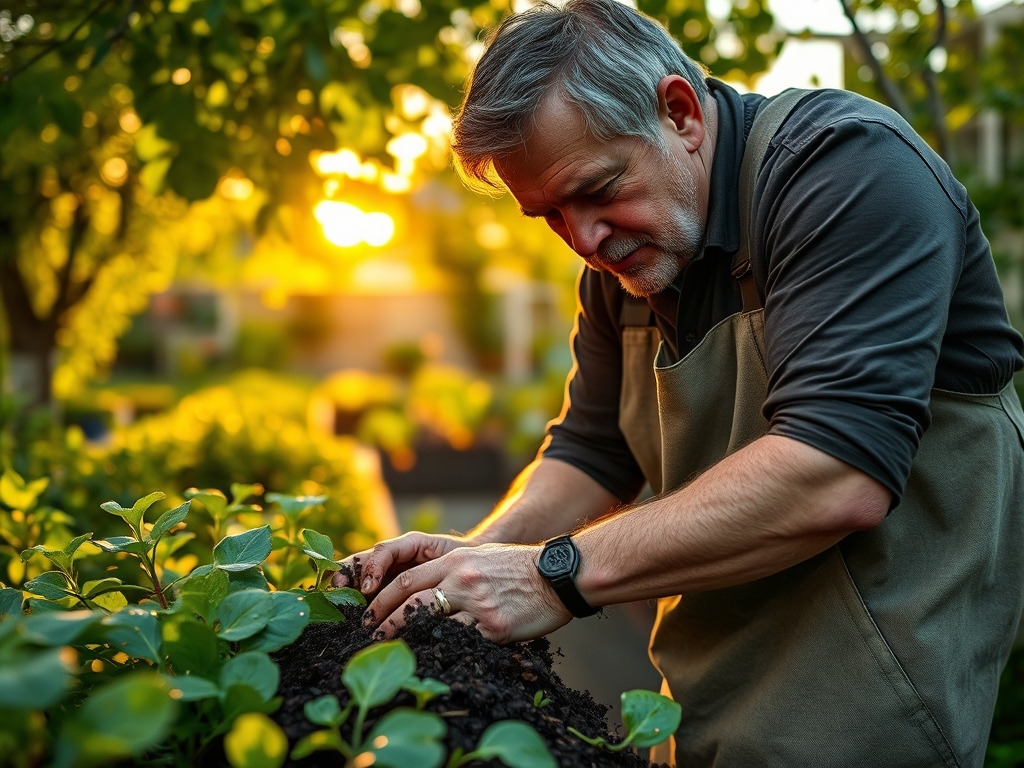
Clear a radius of 18 inches around each trellis post to eliminate competition for nitrogen. Dig a trench 12 inches deep and backfill with your amended loam. If sowing seeds directly, plant them at a depth three times the diameter of the seed.
Pro-Tip: Proper spacing prevents fungal pathogens by increasing airflow. This reduces the duration of leaf wetness, which is the primary driver of spore germination in powdery mildew.
Transplanting
When moving seedlings from a nursery tray to the trellis base, ensure the root ball is thoroughly saturated. Dig a hole twice the width of the root ball. Position the plant at a 45-degree angle pointing toward the trellis structure to encourage immediate contact.
Pro-Tip: Use a mycorrhizal inoculant during transplanting to foster mycorrhizal symbiosis. These fungi extend the reach of the root system, increasing the surface area for phosphorus absorption by up to 100 times.
Establishing and Training
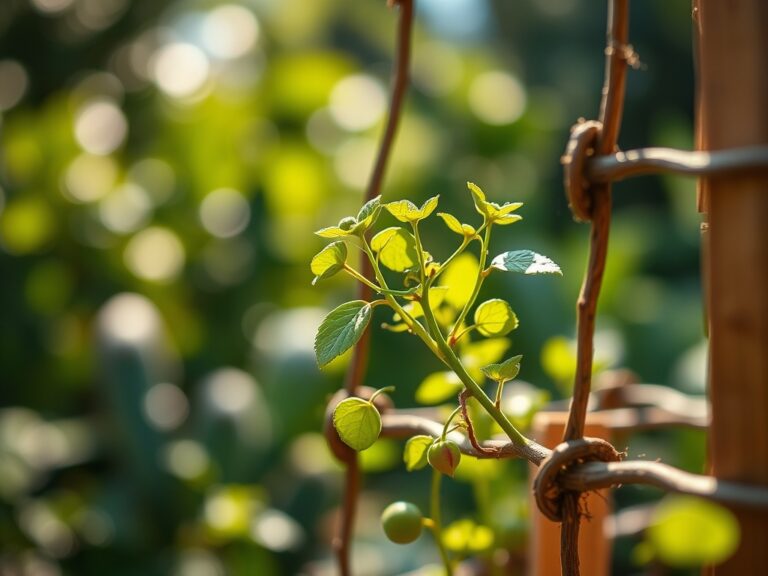
As the plant grows, use soft jute twine to secure the main lead to the trellis. Do not tie the knots tight; leave a one-inch loop to allow for secondary thickening of the stem.
Pro-Tip: Early training utilizes thigmotropism, a plant's growth response to touch. By guiding the tendrils toward the support, you trigger the release of auxins, which causes the cells on the opposite side of the touch point to elongate, effectively "curling" the plant around the wire.
The Clinic:
Physiological disorders often manifest when the vertical environment differs from the ground-level microclimate.
Symptom: Interveinal chlorosis (yellowing between leaf veins) on older leaves.
Solution: This indicates Magnesium deficiency. Magnesium is the central atom in the chlorophyll molecule. Apply a foliar spray of Epsom salts (1 tablespoon per gallon of water) to restore photosynthetic efficiency.
Symptom: Necrosis at the leaf margins and weak, spindly stems.
Solution: This suggests Potassium (K) deficiency. Potassium regulates stomatal opening and water potential. Supplement with sulfate of potash to increase stem rigidity and drought resistance.
Symptom: Blossom end rot (dark, leathery spots on the bottom of fruit).
Solution: This is a Calcium transport issue, often caused by inconsistent moisture levels rather than a lack of soil calcium. Ensure steady irrigation to facilitate the movement of calcium through the transpiration stream.
Fix-It for Nitrogen Chlorosis: If the entire plant is pale green or yellow, apply a high-nitrogen liquid fertilizer with an NPK of 4-0-0 to rapidly boost vegetative biomass.
Maintenance:
A trellised garden requires precision moisture management. Use a soil moisture meter to ensure the root zone stays between 60 percent and 80 percent field capacity. Deliver 1.5 inches of water per week directly at the drip line; avoid overhead irrigation which promotes foliar disease.
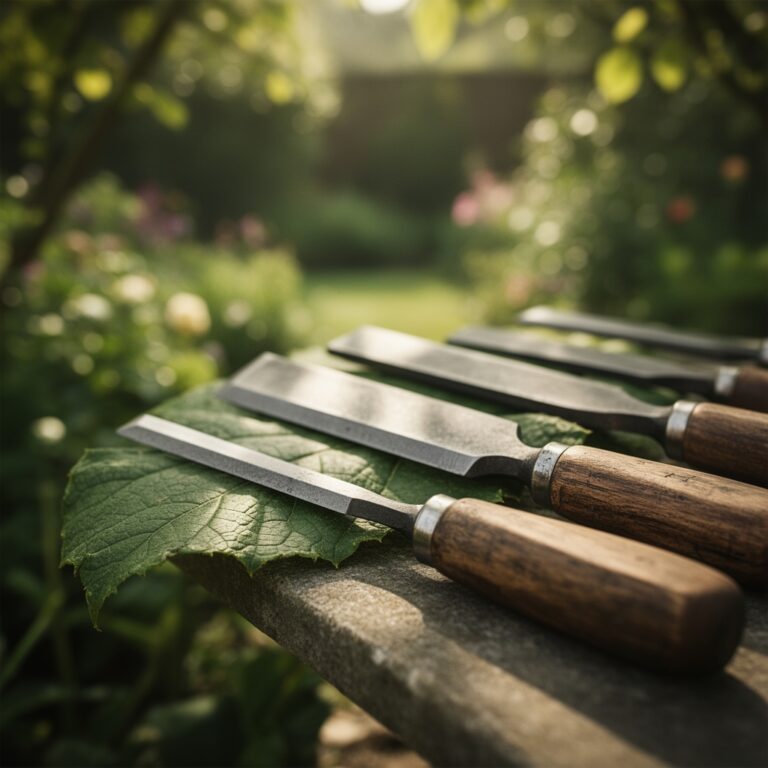
Keep your bypass pruners sharp and disinfected with 70 percent isopropyl alcohol between cuts. Use a hori-hori knife to remove deep-rooted weeds that compete for nutrients within the rhizosphere. Prune "suckers" or non-fruiting lateral branches to redirect the plant's energy toward the main vertical leader and fruit production. This practice improves light penetration into the lower canopy, preventing premature senescence of bottom leaves.
The Yield:
Harvesting from a trellis system is more efficient than ground harvesting, as the fruit is visible and clean. For most vining crops, harvest when the fruit reaches 80 percent of its maximum size to encourage the plant to continue producing. Use shears to cut the peduncle (stem); never pull the fruit, as this can damage the vascular tissue of the main vine.
To maintain "day-one" freshness, harvest in the early morning when turgor pressure is at its peak. Immediately move the produce to a cool, shaded area to remove field heat. For flowers, sear the stems in 110-degree Fahrenheit water to lock in moisture and extend the vase life.
FAQ:
How deep should I set trellis posts?
Set posts at least 24 inches deep for a six-foot trellis. In areas with high wind or heavy clay, use a one-third rule; one-third of the total post length should be below ground to counter the leverage of a full canopy.
What is the best NPK for vining vegetables?
Start with a 10-10-10 during the vegetative stage to build leaf area. Switch to a 5-10-15 once flower buds appear. Higher potassium levels support the high osmotic pressure required for fruit expansion and sugar transport.
Can I reuse trellis netting every year?
Only if it is sterilized. Pathogens like Fusarium wilt can overwinter on synthetic fibers. Soak netting in a 10 percent bleach solution for 20 minutes and dry thoroughly before storage to prevent cross-contamination in the following season.
Why are my trellis plants wilting despite wet soil?
This is often root rot (Phytophthora) caused by anaerobic conditions. If the soil lacks macropores, oxygen cannot reach the roots, halting cellular respiration. Improve drainage by adding perlite or coarse organic matter to the substrate.