9 Benefits of Using a pH Meter for Indoor Citrus
The sharp scent of citrus blossom on a February windowsill carries more than perfume. It signals a root zone operating within precise chemical parameters. Indoor citrus trees depend on pH ranges between 6.0 and 7.0 to mobilize iron, manganese, and zinc from container media. Using a pH meter for indoor citrus soil transforms guesswork into measurable intervention. Without accurate readings, even premium fertilizers lock out essential micronutrients. A digital probe inserted two inches into moist substrate reveals whether your Meyer lemon can actually access the nitrogen you applied last week. The difference between a chlorotic leaf and deep green foliage often lies in a single pH unit.
Materials
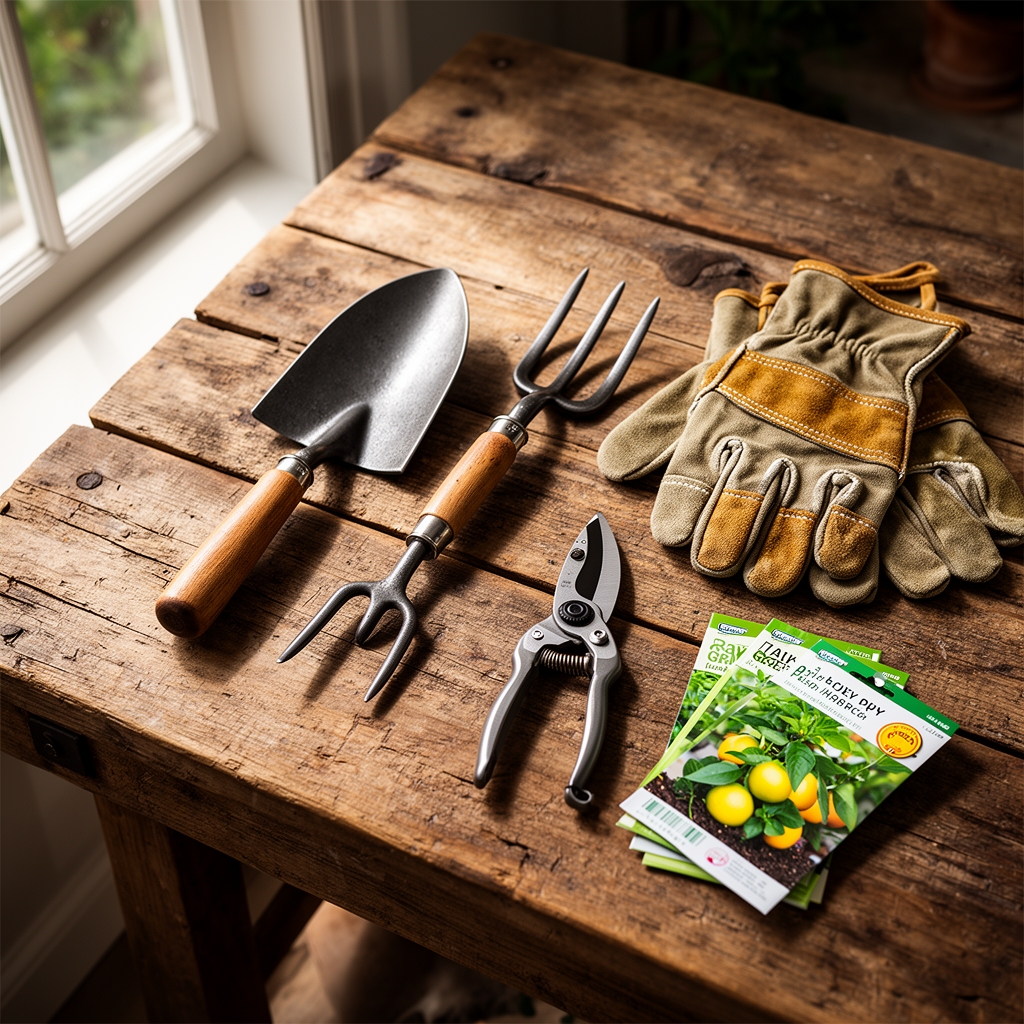
Select a digital pH meter with automatic temperature compensation and two-point calibration capability. Models with replaceable electrodes extend operational life beyond three years. Calibration buffer solutions at pH 4.0, 7.0, and 10.0 maintain accuracy within 0.1 units.
For substrate, blend 40% composted pine bark, 30% sphagnum peat moss, 20% perlite, and 10% worm castings. This mix achieves a cation exchange capacity of 12 to 15 meq per 100 grams. Incorporate dolomitic limestone at two tablespoons per gallon to stabilize initial pH at 6.5.
Fertilizer selection hinges on nitrogen release rates. Use a 6-4-6 organic citrus formulation with kelp meal, feather meal, and bone char during active growth. The NPK ratio supports auxin distribution without promoting excessive vegetative flush. Supplement with chelated iron (Fe-EDDHA) at 0.5 ounces per five gallons every eight weeks when pH drifts above 7.0. Mycorrhizal inoculant containing Rhizophagus irregularis and Glomus aggregatum colonizes roots within six weeks of transplant, improving phosphorus uptake by 30%.
Timing
Indoor citrus cultivation bypasses frost-date constraints but respects photoperiod sensitivity. In USDA Hardiness Zones 8 through 11, gardeners transition outdoor specimens to protected environments by late October. Northern growers in Zones 4 through 7 maintain year-round indoor culture.
Repot mature trees every 24 to 36 months during late winter dormancy, typically February through early March. Root pruning at this interval prevents circling and maintains container feasibility. Spring transplants benefit from rising ambient temperatures and increasing day length, which accelerate root regeneration. Avoid repotting during bloom or active fruiting, as transplant shock aborts developing flowers.
Phases
Sowing: Germinate seeds in a sterile seed-starting mix at pH 6.2. Maintain substrate temperature at 75°F using bottom heat mats. Citrus embryos emerge in 14 to 21 days under these conditions. Monitor pH weekly, as decomposition of organic matter releases carbonic acid that lowers readings. Seedlings develop taproots rapidly, requiring deep cells or four-inch pots within six weeks.
Pro-Tip: Apply a Trichoderma harzianum drench at transplant to suppress Phytophthora root rot, which thrives in substrates above pH 7.5.
Transplanting: Move seedlings or nursery stock into permanent containers when root systems fill current pots. Choose containers with drainage holes and a minimum depth of 12 inches for dwarf varieties, 18 inches for semi-dwarf cultivars. Test pH at three locations within the new container media before planting. Adjust readings above 7.0 by incorporating elemental sulfur at one teaspoon per gallon, retest after 48 hours.
Pro-Tip: Position the graft union two inches above the soil line to prevent scion rooting, which negates dwarfing rootstock traits.
Establishing: Roots colonize new media over 60 to 90 days. Check pH bi-weekly during this window, as irrigation water alkalinity accumulates in container substrates. Calcium carbonate deposits from hard water raise pH by 0.3 to 0.5 units monthly. Flush containers with distilled water every four weeks to leach excess salts. Prune scaffold branches at 45-degree angles to encourage lateral branching and increase fruiting surface area.
Pro-Tip: Apply foliar kelp extract at 1 tablespoon per gallon every 21 days to supply cytokinins that promote root hair proliferation.
Troubleshooting
Symptom: Interveinal chlorosis on young leaves with green veins persisting. Solution: Iron deficiency induced by pH above 7.2. Drench soil with chelated iron (Fe-EDDHA) at label rates. Reduce pH to 6.3 using sulfur or aluminum sulfate.
Symptom: Brown leaf margins and tip burn. Solution: Salt accumulation from over-fertilization or inadequate leaching. Flush container with three times its volume of distilled water. Reduce fertilizer concentration by 50% for eight weeks.
Symptom: Sudden leaf drop without yellowing. Solution: Root asphyxiation from waterlogged substrate. Verify drainage holes remain unobstructed. Increase perlite percentage to 30% at next repot.
Symptom: Stippled yellow leaves with fine webbing on undersides. Solution: Two-spotted spider mite infestation. Spray insecticidal soap at 5 tablespoons per gallon, covering leaf undersides. Increase ambient humidity above 50% to suppress reproduction.
Symptom: Gummy ooze from trunk with cracked bark. Solution: Phytophthora gummosis from infected rootstock or high substrate moisture. Remove diseased bark tissue with sterilized blade. Apply copper fungicide to exposed cambium. Lower pH to 6.0 and improve drainage.
Maintenance
Apply 0.25 inches of water when the top two inches of substrate feel dry to touch. This typically requires irrigation every four to six days in heated indoor environments. Fertilize every 14 days from March through September with liquid 6-4-6 at half-strength. Suspend feeding from October through February during reduced growth.
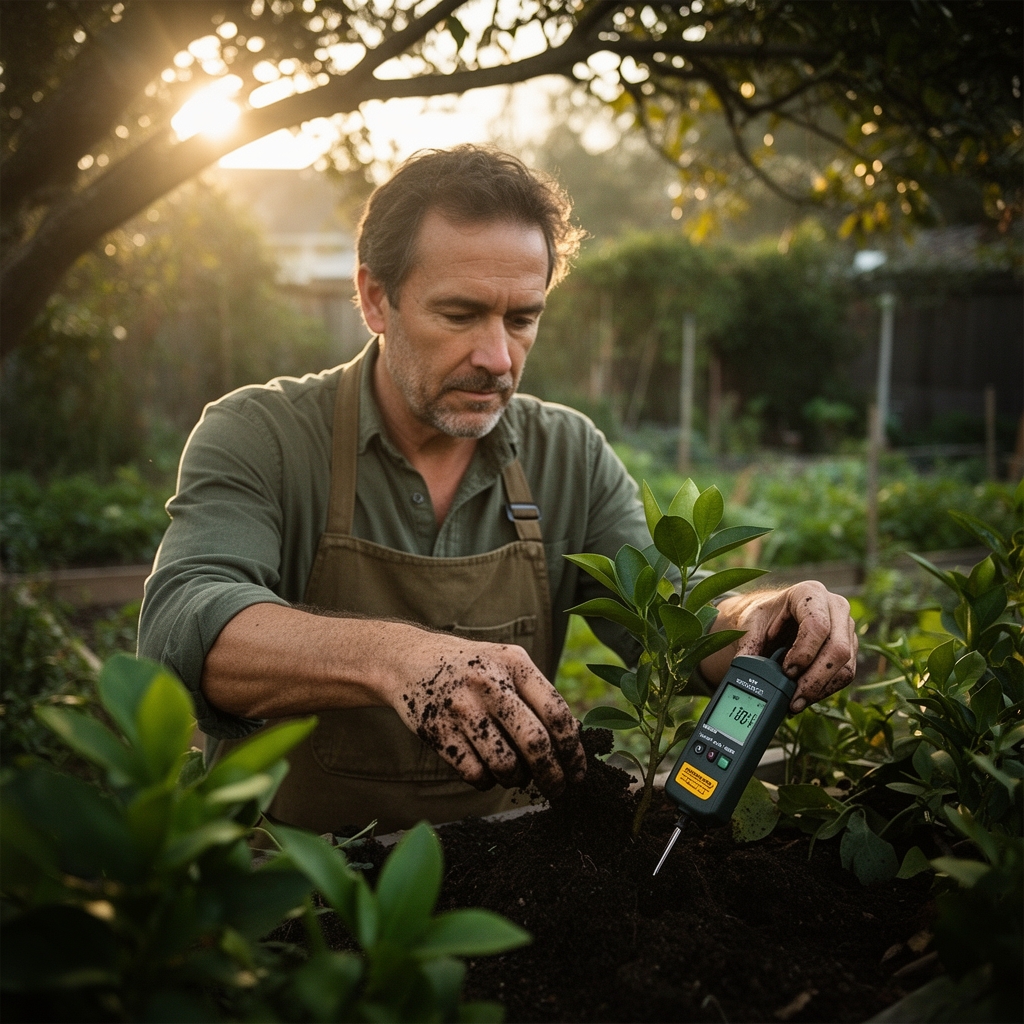
Measure pH monthly by inserting the calibrated meter probe two inches deep, halfway between trunk and container edge. Rinse the probe with distilled water before and after each reading. Store the electrode in pH 4.0 buffer solution to prevent membrane dehydration. Replace buffer solutions every six months to maintain calibration integrity.
Prune water sprouts and crossing branches in late winter. Remove no more than 20% of canopy volume in a single session. Wipe pruning shears with 70% isopropyl alcohol between cuts to prevent pathogen transmission.
FAQ
How often should I calibrate my pH meter? Calibrate before first use and monthly thereafter. Immerse the probe in pH 7.0 buffer, adjust to reading, then repeat with pH 4.0 buffer. Two-point calibration corrects electrode drift.
Can I use tap water for irrigation? Test tap water pH and total dissolved solids. Water with pH above 7.5 or TDS exceeding 200 ppm requires filtration or dilution with distilled water at a 1:1 ratio.
What causes sudden pH spikes? Decomposing organic matter and hard water minerals raise pH over time. Incorporating sphagnum peat at 15% of total volume buffers against alkalinity. Flush containers monthly.
Which citrus varieties tolerate pH variance? Rangpur lime and trifoliate orange rootstocks withstand pH up to 7.5. Eureka lemon and Bearss lime on these rootstocks show improved chlorosis resistance compared to standard rootstocks.
Do fertilizers alter soil pH? Ammonium-based nitrogen sources acidify media, while nitrate-based formulas raise pH. Alternate between ammonium sulfate and calcium nitrate to maintain stability within 0.2 units of target pH.