6 Pruning Steps for a Rubber Tree to Encourage Fullness
Rubber trees grown indoors often stretch toward light in a single vertical column, producing gaps between leaves and an ungainly silhouette. The steps for pruning a rubber tree to branch out reverse this leggy habit by redirecting auxin flow and forcing dormant buds to activate along the stem. A well-timed cut stimulates lateral meristems, transforming a sparse pole into a full, multi-branched specimen. This architectural shift depends on understanding apical dominance, the phenomenon where the terminal bud suppresses side growth through hormone gradients.
Materials
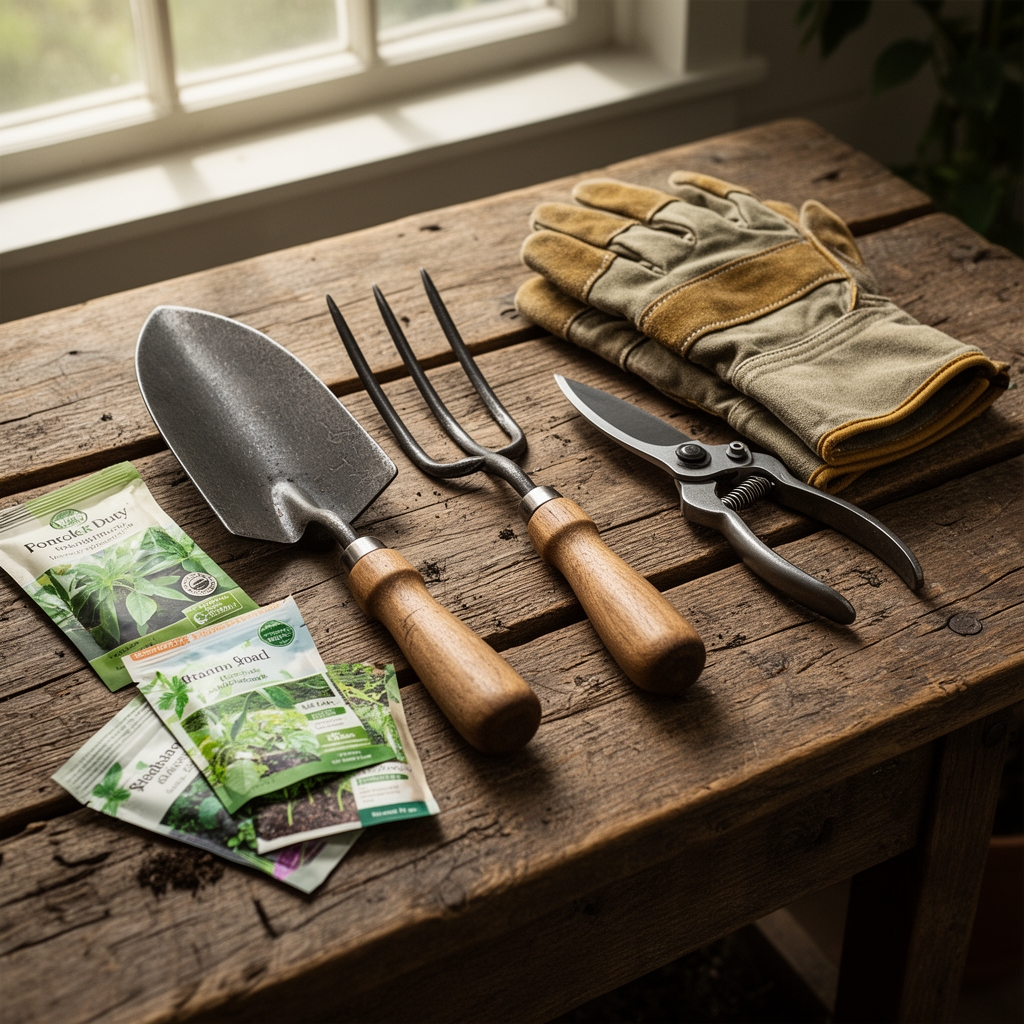
Sharp bypass pruners remain essential. Sterilize blades with 70% isopropyl alcohol between cuts to prevent Xanthomonas infection. Choose pruners with a cutting diameter of at least 0.75 inches to handle mature rubber tree stems cleanly.
Apply rooting hormone powder with 0.1% indole-3-butyric acid (IBA) to any cuttings you wish to propagate. This synthetic auxin accelerates adventitious root formation in a medium with low cation exchange capacity.
Use a balanced 4-4-4 organic fertilizer derived from feather meal, bone meal, and kelp. The slow-release nitrogen supports steady foliar expansion without encouraging excess vegetative growth that compromises structural integrity.
Maintain potting mix at pH 6.0 to 6.5. Rubber trees access iron and manganese efficiently in mildly acidic substrates. Amend with sulfur if your tap water trends alkaline.
Keep latex sap wipes or damp cloths nearby. The milky exudate coagulates quickly and can gum up pruner mechanisms.
Timing
In USDA Hardiness Zones 10 through 12, prune rubber trees outdoors from late March through early May, after the final frost date and as daytime temperatures stabilize above 65°F. Indoor specimens grown under controlled conditions tolerate pruning year-round, but early spring remains ideal. The plant enters active growth as photoperiod lengthens, channeling carbohydrate reserves into bud break.
Avoid pruning during dormancy in late fall and winter. Wounds close slowly when cambial activity slows, raising infection risk. If you must remove damaged tissue in winter, limit cuts to a single node and withhold nitrogen fertilizer until March.
In temperate zones where rubber trees remain houseplants, synchronize pruning with the spring equinox. Supplemental grow lights extending day length to 14 hours accelerate lateral branch emergence within three weeks.
Phases
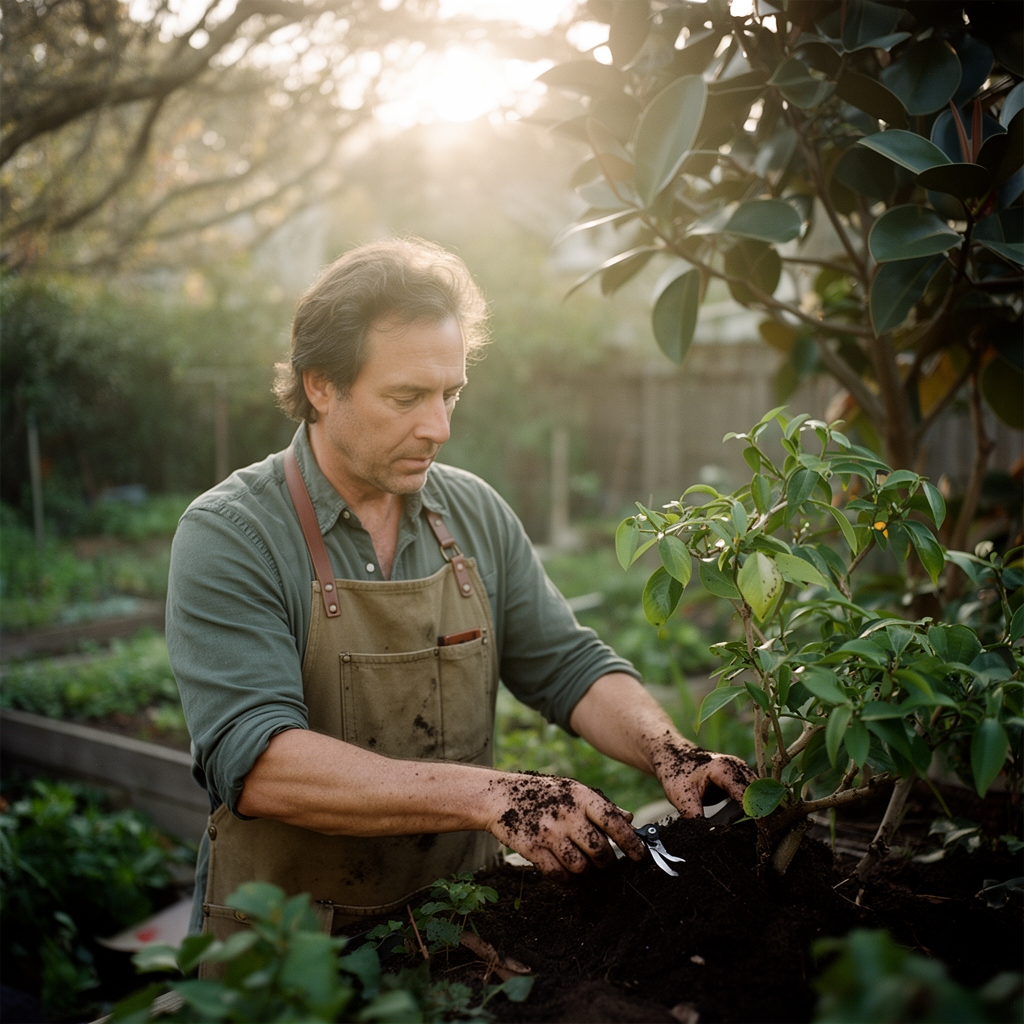
Sowing Phase (Pre-Prune Preparation)
Water the rubber tree deeply 48 hours before pruning. Hydrated vascular tissue seals cuts faster and reduces embolism risk in xylem vessels. Inspect for spider mites or mealybugs; pruning stress exacerbates pest damage.
Identify the target cutting height. For a 3-foot rubber tree, mark the stem 18 to 24 inches above the soil line. This ratio preserves enough foliage to sustain photosynthesis while removing apical dominance.
Sterilize tools immediately before the first cut. Dip blades in isopropyl alcohol for 30 seconds, then allow them to air dry.
Pro-Tip: Dust the base of the plant with mycorrhizal fungi inoculant one week before pruning. Arbuscular mycorrhizae enhance phosphorus uptake, accelerating wound response and new shoot lignification.
Transplanting Phase (Primary and Secondary Cuts)
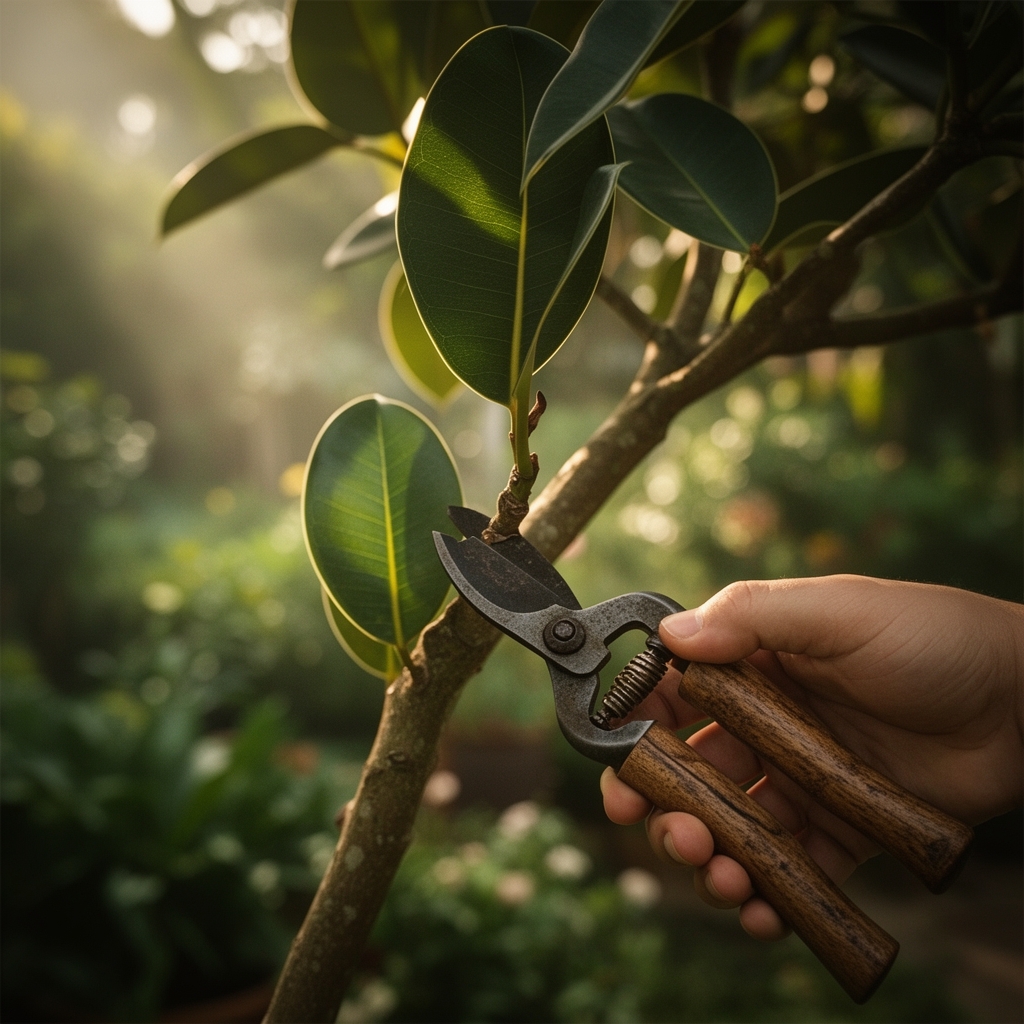
Step 1: Make the apical cut at a 45-degree angle, one-quarter inch above a node. The slanted surface sheds water and exposes minimal cambium to pathogens. Remove the terminal 6 to 12 inches, depending on desired final height.
Step 2: Wipe away latex sap with a damp cloth. Residue clogs stomata on remaining leaves and reduces gas exchange.
Step 3: Identify secondary stems that exhibit inward growth or cross other branches. Remove these flush with the main stem to prevent rubbing wounds and improve air circulation.
Step 4: Thin any cluster of more than two shoots emerging from a single node. Retain the strongest pair and pinch others at the base.
Pro-Tip: Angle cuts away from the central leader at exactly 45 degrees. Research on Ficus elastica demonstrates that oblique cuts reduce pooling of pathogen-laden moisture and accelerate callus formation by 22% compared to horizontal cuts.
Establishing Phase (Post-Prune Recovery)
Move the pruned rubber tree to bright, indirect light with an intensity of 200 to 400 foot-candles. Avoid direct sun for two weeks; reduced leaf area means remaining foliage cannot dissipate heat as effectively.
Apply diluted 4-4-4 fertilizer at half strength 10 days after pruning. Full-strength nitrogen drives excessive vegetative growth that outpaces root capacity.
Monitor for new shoots at nodes below the cut. Lateral buds typically swell within seven to 10 days. By day 21, shoots extend 1 to 2 inches.
Pro-Tip: Rotate the pot 90 degrees weekly. Even auxin distribution and light exposure ensure symmetrical branching rather than one-sided growth.
Troubleshooting
Symptom: Yellowing leaves after pruning.
Solution: Reduce watering frequency by 30%. Pruning decreases transpiration demand, so excess moisture causes root hypoxia and nutrient lockout.
Symptom: No lateral bud break after three weeks.
Solution: Increase ambient temperature to 72-78°F. Cool conditions inhibit cytokinin synthesis required for axillary bud activation.
Symptom: White, cottony masses at nodes.
Solution: Mealybugs exploit pruning wounds. Dab insects with 70% isopropyl alcohol on a cotton swab, then spray neem oil at 2 tablespoons per gallon weekly.
Symptom: Brown, crispy leaf edges.
Solution: Raise humidity to 50-60% using a pebble tray or humidifier. Reduced leaf area concentrates salts at margins.
Symptom: Soft, blackened stem below cut.
Solution: Stem rot from Pythium or Phytophthora. Excise diseased tissue 2 inches below the lesion, sterilize tools, and drench soil with a phosphite fungicide at 3 ml per liter.
Maintenance
Water when the top 2 inches of soil feel dry to the touch. Deliver 1 inch of water per week, allowing excess to drain completely. Rubber trees tolerate brief drought better than saturated roots.
Fertilize every four weeks from March through September with 4-4-4 organic blend at the manufacturer's recommended rate. Suspend feeding in October through February.
Wipe leaves monthly with a damp microfiber cloth to remove dust. Clean foliage captures 15-20% more light, supporting the increased metabolic cost of new branches.
Repot every 18 to 24 months, moving up one container size. Root-bound plants divert energy to root expansion rather than shoot development.
Pinch new shoot tips once branches reach 6 inches. This secondary pruning encourages tertiary branching and a denser canopy.
FAQ
How long before a pruned rubber tree shows new growth?
Lateral buds swell within 7 to 10 days. Visible shoots emerge by day 14 to 21, depending on temperature and light intensity.
Can I prune a rubber tree at any time of year?
Spring pruning yields the fastest recovery. Winter cuts heal slowly and risk fungal colonization due to low cambial activity.
What NPK ratio supports branch development?
A balanced 4-4-4 or 5-5-5 organic formula provides steady nitrogen for foliage and phosphorus for root health without spurring vertical growth.
Should I seal pruning wounds?
No. Rubber tree latex forms a natural seal. Wound dressings trap moisture and foster anaerobic pathogens.
How many times can I prune a single rubber tree?
Annual spring pruning maintains shape indefinitely. Secondary pinching of new shoots can occur every six to eight weeks during the growing season.