9 Best Hanging Planters for Small Vertical Spaces
Living in a 420-square-foot studio apartment doesn't sentence you to a life without greenery. The best hanging planters for small apartments transform dead air space above counters, in corners, and near windows into productive growing zones. A single 8-inch hanging basket occupies 0.3 cubic feet while yielding herbs, flowers, or cascading foliage that would demand 4 square feet of floor real estate. Vertical gardening in containers requires understanding weight load limits, drainage mechanics, and how auxin distribution changes when roots grow in suspended media rather than ground soil.
Materials
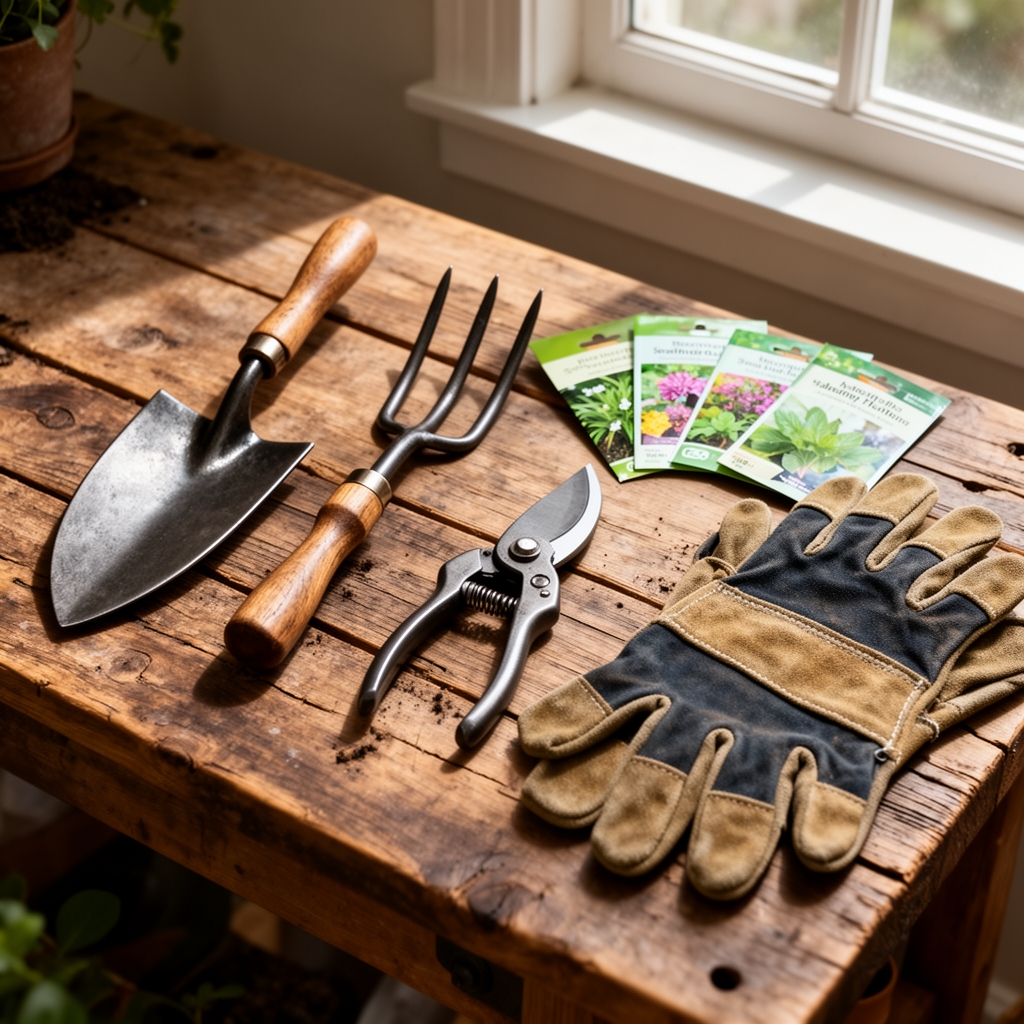
Select planters based on structural capacity and media retention. Resin polymer baskets weigh 1.2 pounds empty and support up to 15 pounds of saturated growing media. Ceramic containers offer superior thermal mass but add 4 to 6 pounds before soil addition. Metal hanging planters, particularly powder-coated steel, provide durability at 2.8 pounds with drainage hole customization options.
Growing media for hanging systems requires lighter bulk density than ground beds. A blend of 40% coconut coir (pH 5.5-6.5), 30% perlite, 20% aged compost, and 10% worm castings creates a mix with cation exchange capacity near 18 meq/100g. This ratio holds moisture without compaction while supporting mycorrhizal fungi colonization. For baseline fertility, incorporate organic fertilizer at 4-4-4 NPK analysis at a rate of 2 tablespoons per gallon of media. Calcitic lime at 1 teaspoon per gallon adjusts pH to 6.2-6.8 for most ornamentals and culinary herbs.
Hanging hardware must exceed three times the anticipated load. A saturated 10-inch basket with mature plant material weighs approximately 12 pounds. Use ceiling joists for anchor points with 40-pound-rated swivel hooks. Toggle bolts in drywall hold 20 pounds maximum and suit only the lightest 6-inch planters.
Timing
Hardiness zones determine outdoor hanging basket viability. Zone 7 and warmer support year-round exterior installations with cold-hardy selections like English ivy (Hedera helix) and wintercreeper (Euonymus fortunei). Zones 3-6 require indoor winter relocation or treatment as annuals.
Start seeds for hanging basket plants 8 to 10 weeks before the last frost date. Transplant seedlings to final containers when soil temperatures stabilize above 55°F and nighttime air temperatures remain above 45°F. This timing prevents transplant shock and root stall. For spring color, direct-sow cool-season annuals like alyssum (Lobularia maritima) 2 weeks before last frost. For summer baskets, wait until 1 week after frost-free date to install warm-season specimens.
Interior hanging planters operate independently of frost calendars but respond to photoperiod. South-facing windows provide 6 to 8 hours of direct sun during winter months in northern latitudes. Supplement with 40-watt LED grow lights positioned 12 inches above foliage for 14-hour photoperiods to maintain compact growth.
Phases
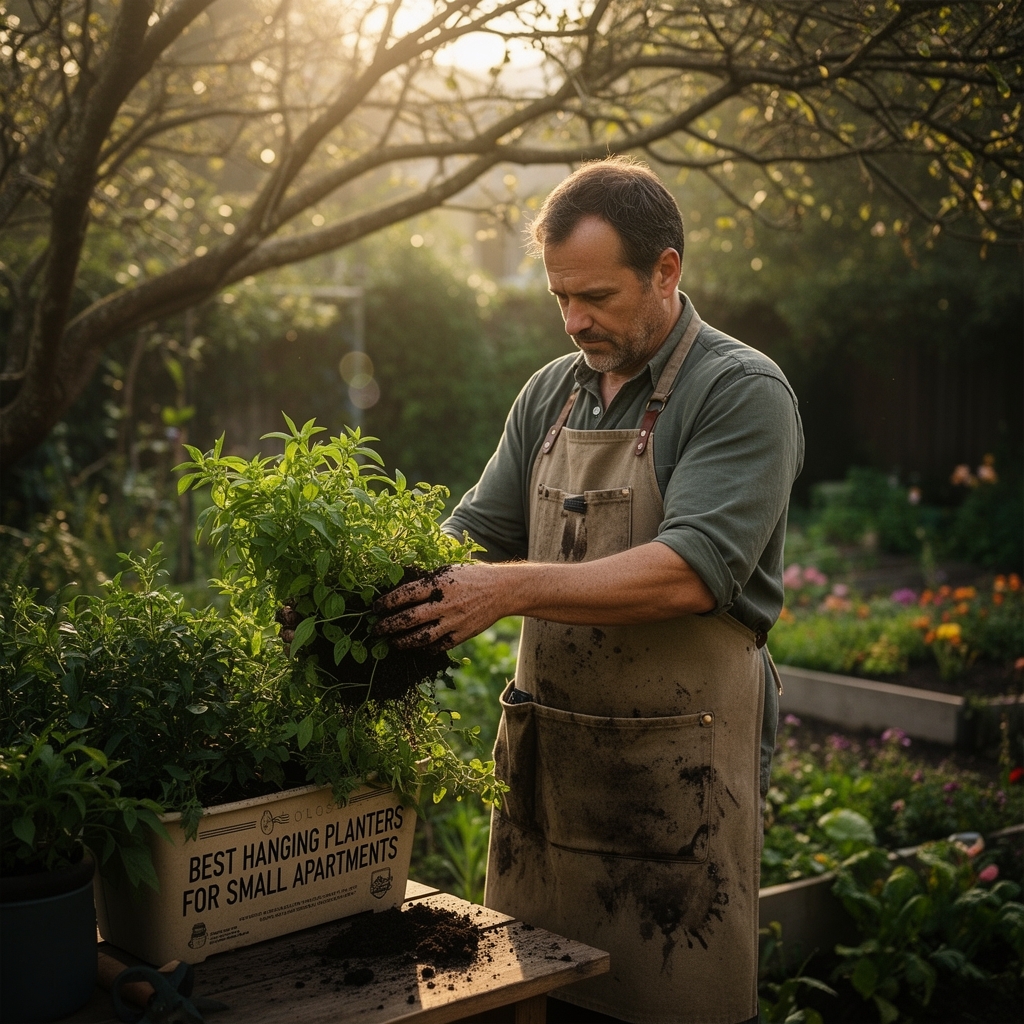
Sowing Phase: Fill containers to 1 inch below rim. Pre-moisten media to 60% water-holding capacity before seed placement. Sow small seeds like petunia at surface level with light press. Cover larger seeds like nasturtium with media depth equal to twice seed diameter. Maintain 70-75°F media temperature using bottom heat mats. Germination occurs in 5 to 14 days depending on species.
Pro-Tip: Inoculate media with Rhizophagus irregularis at 0.5 grams per gallon during initial mixing. This arbuscular mycorrhizal species extends effective root surface area by 140% in container systems.
Transplanting Phase: Move seedlings at four true-leaf stage. Handle only by cotyledons to prevent stem bruising. Position root ball crown level with final media surface. Backfill and water with diluted kelp solution (1 tablespoon per gallon) to stimulate lateral root branching. Reduce watering frequency by 30% for first 5 days to encourage roots to explore new media rather than remaining in original plug zone.
Pro-Tip: Pinch terminal growth buds at 45-degree angles when plants reach 4 inches tall. This pruning technique redirects auxin to lateral buds, creating 3 to 5 new growth points and producing fuller baskets.
Establishing Phase: Plants reach mature form 6 to 8 weeks post-transplant. Root systems colonize container volume and demand increases for water and nutrients. Apply liquid fertilizer at 5-10-5 NPK ratio weekly at half-strength (following product dilution guidelines). Monitor for root emergence from drainage holes, indicating establishment completion.
Pro-Tip: Rotate hanging baskets 90 degrees weekly to ensure even light distribution and symmetrical canopy development. Phototropic growth creates lopsided specimens in static positions.
Troubleshooting
Symptom: Chlorotic (yellowing) leaves concentrated on lower stem regions while new growth remains green.
Solution: Nitrogen deficiency. Apply urea-based foliar spray at 1 tablespoon per gallon or drench with blood meal tea (2 tablespoons per gallon, steeped 48 hours). Repeat every 10 days until lower foliage regains color.
Symptom: Brown, crispy leaf margins despite adequate watering schedule.
Solution: Salt accumulation from over-fertilization or municipal water high in sodium. Leach containers with distilled water at three times pot volume. Allow complete drainage. Resume fertilization at 50% previous rate.
Symptom: Wilting during midday despite moist media.
Solution: Root rot from Pythium species. Reduce watering frequency by 40%. Remove plant, trim black or mushy roots with sterilized shears. Replant in fresh media with added perlite (increase to 40% of total volume). Drench with hydrogen peroxide solution (1 part 3% peroxide to 4 parts water).
Symptom: Webbing on leaf undersides with stippled yellow spots.
Solution: Spider mite infestation (Tetranychus urticae). Spray all plant surfaces with insecticidal soap at 2% concentration every 3 days for 2 weeks. Increase ambient humidity above 60% to suppress reproduction.
Symptom: Leggy growth with elongated internodes despite adequate fertilization.
Solution: Insufficient light intensity. Relocate to brighter location or add supplemental lighting. Provide minimum 200 foot-candles for foliage plants, 400 for flowering species.
Maintenance
Water hanging baskets when top 1 inch of media feels dry to touch. Small 8-inch containers require daily watering during summer, while 12-inch baskets need irrigation every 2 to 3 days. Apply water until 10% of volume drains from bottom holes. This flushes accumulated salts.
Feed every 2 weeks during active growth with balanced liquid fertilizer (10-10-10 or 15-15-15) diluted to 150 ppm nitrogen. Reduce feeding to monthly during winter dormancy periods. Supplement every 6 weeks with micronutrient solution containing iron, manganese, and boron at labeled rates.
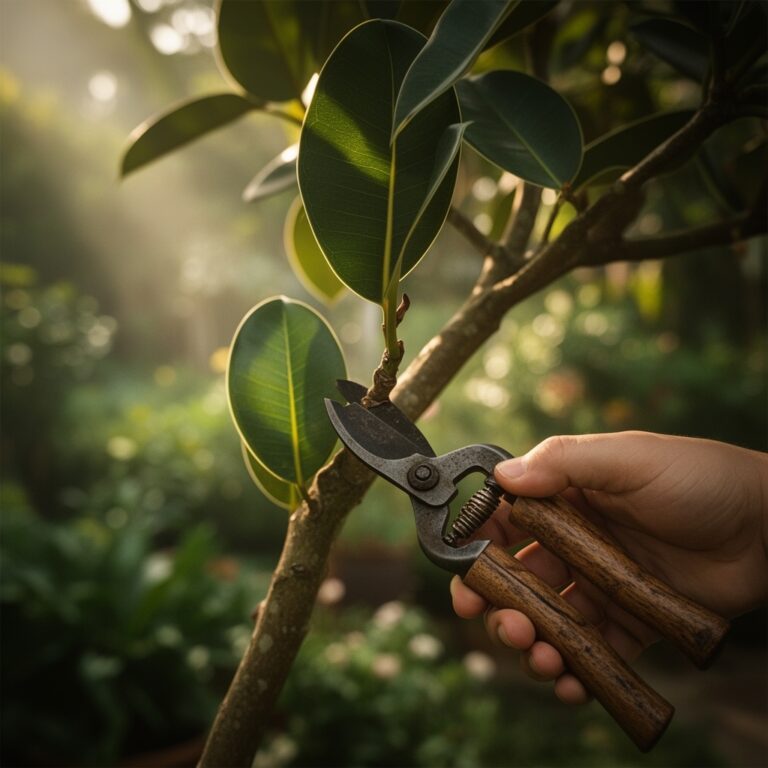
Deadhead spent flowers weekly to redirect energy from seed production to continued blooming. Remove yellowed or damaged foliage at base of petiole with clean cuts. Prune leggy stems back by one-third in midsummer to stimulate compact regrowth.
Check hanging hardware monthly for corrosion or loosening. Retighten mounting bolts and inspect chain links for rust. Replace any compromised components immediately.
FAQ
What weight can apartment ceilings support for hanging planters?
Standard drywall ceiling construction supports 10 pounds maximum per square foot. Always anchor into ceiling joists (typically 16 inches on center) for loads exceeding 5 pounds. Use a stud finder to locate joists before drilling.
Which plants work best in low-light apartment conditions?
Pothos (Epipremnum aureum), philodendron species, and spider plants (Chlorophytum comosum) tolerate 50-75 foot-candles. These species maintain growth with only 4 hours of indirect natural light or 12 hours under 20-watt fluorescent bulbs.
How do I prevent water damage to floors from hanging planters?
Install saucers that capture 125% of container volume. For a 1-gallon planter, use a saucer holding 1.25 gallons. Alternative: attached reservoir systems with wicking action prevent overflow while maintaining consistent soil moisture.
Can I grow vegetables in hanging planters indoors?
Cherry tomatoes, lettuce, and herbs succeed in 10-inch or larger hanging containers with 8 hours direct sun or equivalent grow light intensity (400-600 foot-candles). Provide support stakes for tomatoes and fertilize weekly with 5-10-5 formula for fruit production.
How often should I replace potting media in hanging baskets?
Annual replacement maintains optimal drainage and nutrient availability. Media compaction reduces pore space by 30% after one growing season, restricting oxygen to roots and limiting mycorrhizal activity.