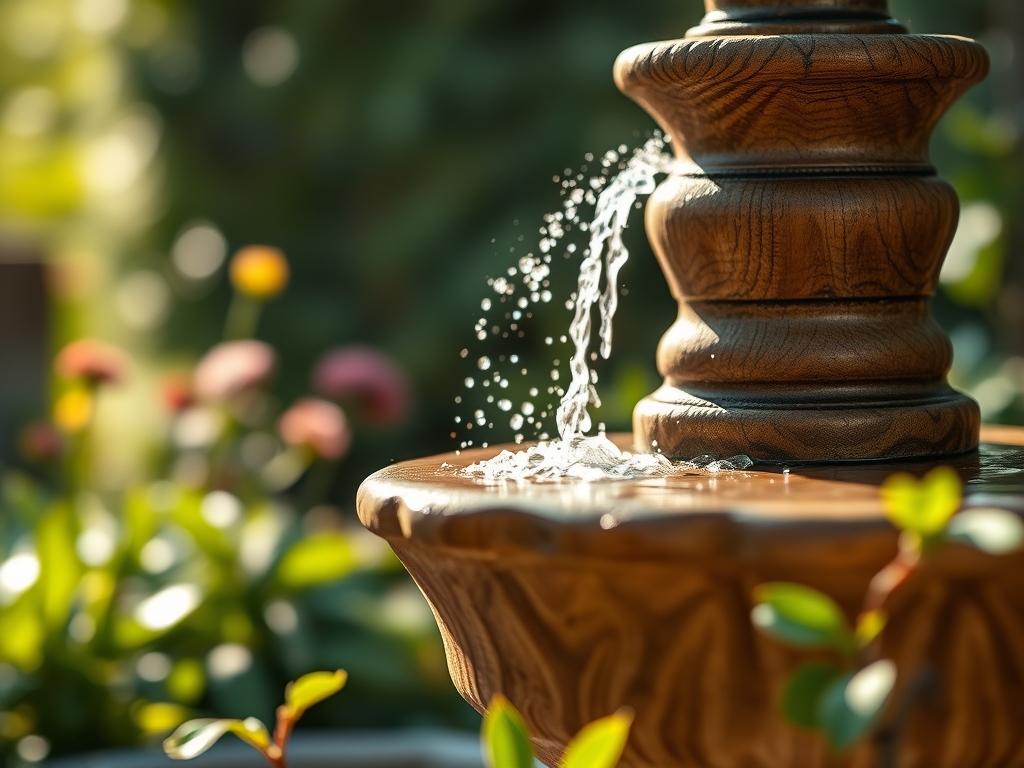
6 Steps for Installing a Custom Garden Water Fountain
The smell of disturbed damp earth signals the beginning of any serious landscape modification. When you break the surface of a friable loam, you expose the rhizosphere, the complex zone where root exudates and microbial activity govern plant health. Integrating a water feature into this environment requires more than aesthetic placement; it demands an understanding of soil structural integrity and hydrological impact. Mastering the steps for installing a garden fountain ensures that the feature enhances the surrounding ecosystem rather than disrupting the delicate turgor pressure of nearby specimen plants. A fountain provides consistent localized humidity, which can mitigate transpiration stress during peak solar radiation. This guide treats the installation as a surgical procedure, prioritizing soil physics and mechanical precision over mere decoration.
Materials:

Success begins with the substrate. For the foundation, you require a well-compacted base of 0.75-inch crushed stone to prevent settling. The surrounding soil should be a friable loam with a pH between 6.0 and 7.0. High Cation Exchange Capacity (CEC) values, typically above 15 meq/100g, indicate a soil capable of holding the nutrients necessary for the aquatic or marginal plants often paired with fountains.
If you are planting around the basin, utilize a fertilizer with a specific NPK ratio of 5-10-5 to encourage root establishment without triggering excessive vegetative growth that could clog filters. You will also need a heavy-duty pond liner (45 mil EPDM), a submersible pump rated for at least 1.5 times the total water volume per hour, and GFCI-protected electrical components. Ensure you have a soil moisture meter to monitor the impact of splash-over on the surrounding root zones.
Timing:
Installations should be synchronized with regional Hardiness Zones. In Zones 4 through 7, the ideal window opens after the final frost when soil temperatures consistently reach 55 degrees Fahrenheit. This timing prevents the expansion-contraction cycles of freezing groundwater from shifting your foundation.
The biological clock of the surrounding flora is a critical factor. Aim to complete the installation during the early vegetative stage of your perennial borders. Avoid construction during senescence or peak flowering, as the physical compaction of the soil during installation can lead to root hypoxia. By installing in early spring, you allow the local mycorrhizal networks to recover and re-establish symbiotic relationships with plant roots before the heat of the summer solstice increases evaporative demand.
Phases:

Sowing the Foundation
Excavate the site to a depth of 12 inches deeper than the basin. Level the subgrade using a transit level to ensure a deviation of less than 0.125 inches across the span. Backfill with 6 inches of compacted gravel, followed by a 2-inch layer of masonry sand. This creates a stable interface that resists frost heave.
Pro-Tip: Proper leveling prevents uneven hydrostatic pressure on the basin walls. This avoids differential settlement, which can cause structural fractures and lead to localized soil oversaturation, triggering anaerobic conditions in the nearby rhizosphere.
Transplanting and Integration
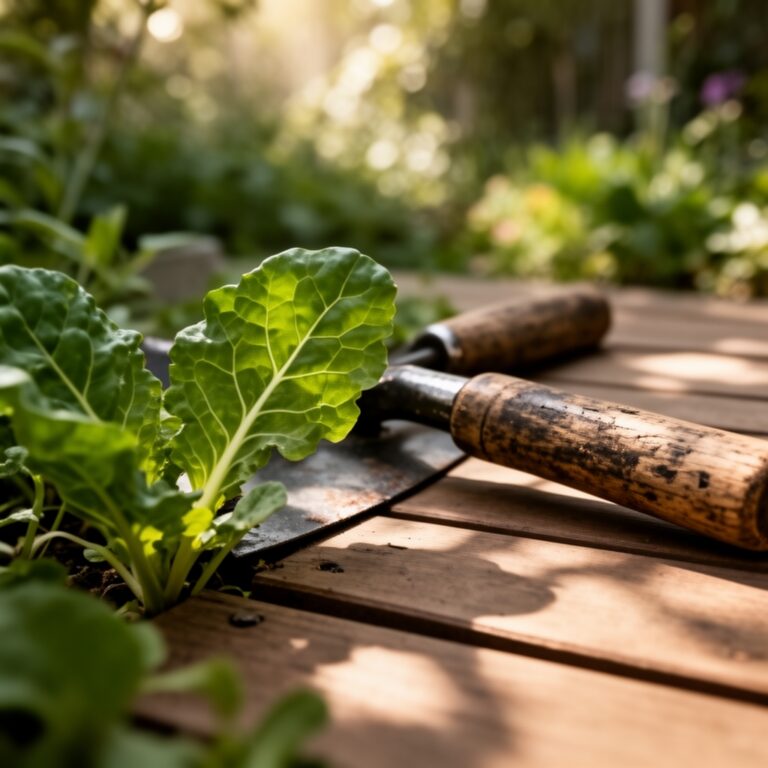
Position the fountain and plumb the lines using Schedule 40 PVC. If you are integrating marginal plants, place them in heavy clay-based aquatic soil to prevent nutrient leaching into the water column. Use a hori-hori knife to slice through any circling roots of surrounding shrubs to encourage outward radial growth into the newly disturbed soil.
Pro-Tip: When planting near the splash zone, select species with high turgor pressure and thick cuticles. This physical adaptation protects the foliage from the mechanical stress of constant water droplets, which can otherwise lead to localized necrosis or fungal pathogens.
Establishing the System
Fill the reservoir and monitor the water level for 48 hours to check for leaks. Adjust the pump flow rate to minimize excessive splashing. Introduce beneficial bacteria to the water to jumpstart the nitrogen cycle, preventing the buildup of ammonia which can be toxic to both the fountain components and visiting pollinators.
Pro-Tip: Maintain a consistent water level to support the osmotic balance of any integrated aquatic plants. Fluctuating levels cause physiological stress as the plant attempts to recalibrate its stomata to varying humidity levels.
The Clinic:
Symptom: Yellowing of lower leaves on nearby plants (Chlorosis).
Solution: This often indicates Nitrogen deficiency or waterlogged soil. Check the drainage around the fountain. If the soil is saturated, install a French drain to divert splash-over.
Symptom: White, crusty deposits on fountain stone.
Solution: This is mineral calcification. Use a sequestering agent to bind calcium ions. High alkalinity can affect the pH of the surrounding soil if runoff occurs; monitor and adjust with elemental sulfur if the pH rises above 7.5.
Symptom: Algal blooms in the reservoir.
Solution: Excessive nitrates and sunlight trigger rapid reproduction. Reduce the NPK runoff from the lawn and increase the shading of the water surface to at least 50 percent using floating aquatic plants like Pistia stratiotes.
Fix-It for Nitrogen Chlorosis: Apply a foliar spray of chelated iron for immediate greening, followed by a soil drench of blood meal to provide a sustained nitrogen source for the rhizosphere.
Maintenance:
A precision maintenance schedule is mandatory. Use a soil moisture meter to ensure the surrounding landscape receives exactly 1.5 inches of water per week. Use bypass pruners to remove any organic debris falling into the water; decaying matter increases the biological oxygen demand (BOD) and can foul the pump.
Every 30 days, scrub the pump intake with a stiff brush to remove biofilm. In autumn, before the first hard freeze (below 32 degrees Fahrenheit), drain the system entirely. Use a hori-hori knife to prune back any encroaching roots that may be seeking the moisture of the plumbing lines. This prevents mechanical damage to the PVC.
The Yield:
While a fountain does not produce a caloric yield, its "harvest" is measured in the health of the microclimate. The increased localized humidity supports the photoperiod requirements of shade-loving ferns and mosses. To maintain "day-one" freshness of the surrounding foliage, mist the leaves of nearby hostas during the early morning to remove any accumulated dust or mineral salts from fountain spray. This keeps the stomata clear for optimal gas exchange.
FAQ:
How deep should the fountain basin be?
Excavate the basin to a minimum of 18 to 24 inches. This depth prevents the water from overheating in summer, which protects the pump and prevents rapid evaporative salt accumulation that can damage nearby sensitive plant roots.
Can I use tap water to fill my fountain?
Yes, but monitor the chlorine and pH levels. High chlorine can damage the microbial balance of the surrounding soil if it splashes. Allow the water to outgas for 24 hours before introducing aquatic life or sensitive plants.
How do I prevent mosquitoes in the water?
Maintain constant surface agitation. Mosquitoes require stagnant water for their larval stage. A pump moving at least 300 gallons per hour creates enough surface tension to prevent the insects from depositing eggs successfully.
Will the fountain increase my soil pH?
If your water source is "hard" (high in calcium carbonate), splash-over can gradually increase soil alkalinity. Test your soil annually. If the pH exceeds 7.2, incorporate sphagnum peat moss or sulfur to restore the ideal acidic balance.