6 Steps to Prepare a Level Garden Deck Site
Crushed stone underfoot releases the sharp, metallic scent of disturbed minerals while the surrounding flora maintains high turgor pressure in the morning humidity. Building a structure over living soil requires a surgeon's precision to prevent anaerobic decomposition and structural shifting. Understanding how to prepare a site for a garden deck begins with a technical assessment of the substrate stability and hydraulic conductivity. You are not merely clearing a space; you are engineering a foundational interface between organic biology and rigid architecture. Proper excavation and drainage management ensure the longevity of the timber while preserving the integrity of the local rhizosphere.
Materials:
The ideal substrate for the perimeter of a deck site is a **friable loam** with a sand-to-silt-to-clay ratio of approximately 40-40-20. Before beginning construction, test the soil pH; a range of **6.2 to 6.8** is optimal for maintaining the health of adjacent ornamental plantings. If the site requires backfilling around footings, utilize a mix with a specific NPK ratio of **5-10-5** to encourage root establishment in displaced perennials without triggering excessive vegetative growth that might interfere with the deck frame. High Cation Exchange Capacity (CEC) in the soil ensures that essential nutrients like potassium and magnesium remain available despite the increased runoff typically associated with non-permeable deck surfaces.
Timing:
In Hardiness Zones 4 through 7, site preparation must occur after the final spring frost but before the summer solstice to avoid the peak physiological stress of high evapotranspiration. The biological clock of the garden dictates that major excavation should happen when deciduous plants are in their early vegetative stage. Working during this window allows the meristematic tissue of nearby shrubs to recover from any accidental root pruning before the plant enters its reproductive or fruiting phase. Aim for a soil temperature of at least 55 degrees Fahrenheit to ensure that any disturbed soil biology, particularly beneficial bacteria, can recolonize the area effectively.
Phases:

Sowing and Site Clearing
Remove all organic debris and turf from the designated footprint. Excavate to a depth of 4 to 6 inches to remove the O-horizon of the soil profile. This prevents the fermentation of trapped organic matter, which can release methane and damage wood fibers. Apply a non-woven geotextile fabric over the bare mineral soil to suppress weed emergence.
Pro-Tip: Suppressing weed growth under the deck prevents etiolation, where plants grow weak and spindly in search of light. By blocking the photoperiod, you stop the plant from exhausting its carbohydrate reserves.
Transplanting and Footing Installation
When digging post holes, go below the frost line, typically 30 to 48 inches depending on your specific latitude. If you must move existing plants, use a sharp spade to maintain a clean cut on the root system. This minimizes the risk of pathogens entering the vascular system of the plant.
Pro-Tip: When transplanting, maintain the original soil line to avoid stem rot. This protects the root flare, ensuring proper oxygen exchange for the plant's respiratory needs.
Establishing and Drainage
Fill the excavated area with 2 to 3 inches of washed gravel. This creates a capillary break that prevents moisture from wicking upward into the wooden joists. Ensure the grade slopes away from any permanent structures at a rate of one inch for every ten feet.
Pro-Tip: Proper drainage prevents the soil from reaching its saturation point. This maintains aerobic conditions in the rhizosphere, supporting mycorrhizal symbiosis which helps neighboring plants absorb phosphorus.
The Clinic:
Physiological disorders often arise when a new structure changes the microclimate of the garden.
- Iron Chlorosis: Symptom: Yellowing leaves with green veins in nearby acid-loving plants. Solution: Check for alkaline runoff from concrete footings. Fix-it: Apply chelated iron and elemental sulfur to lower the pH.
- Nitrogen Deficiency: Symptom: Stunted growth and pale green lower leaves. Solution: This often occurs when high-carbon mulch or sawdust from construction is mixed into the soil. Fix-it: Supplement with a high-nitrogen fertilizer (NPK 21-0-0).
- Root Asphyxiation: Symptom: Sudden wilting and leaf drop. Solution: Caused by soil compaction from heavy machinery. Fix-it: Use a broadfork or aerator to restore macropore space in the soil.
- Leaf Scorch: Symptom: Browning of leaf margins on shade-tolerant plants now exposed to reflected heat from the deck. Solution: Increase irrigation frequency and install temporary shade cloth.
Maintenance:
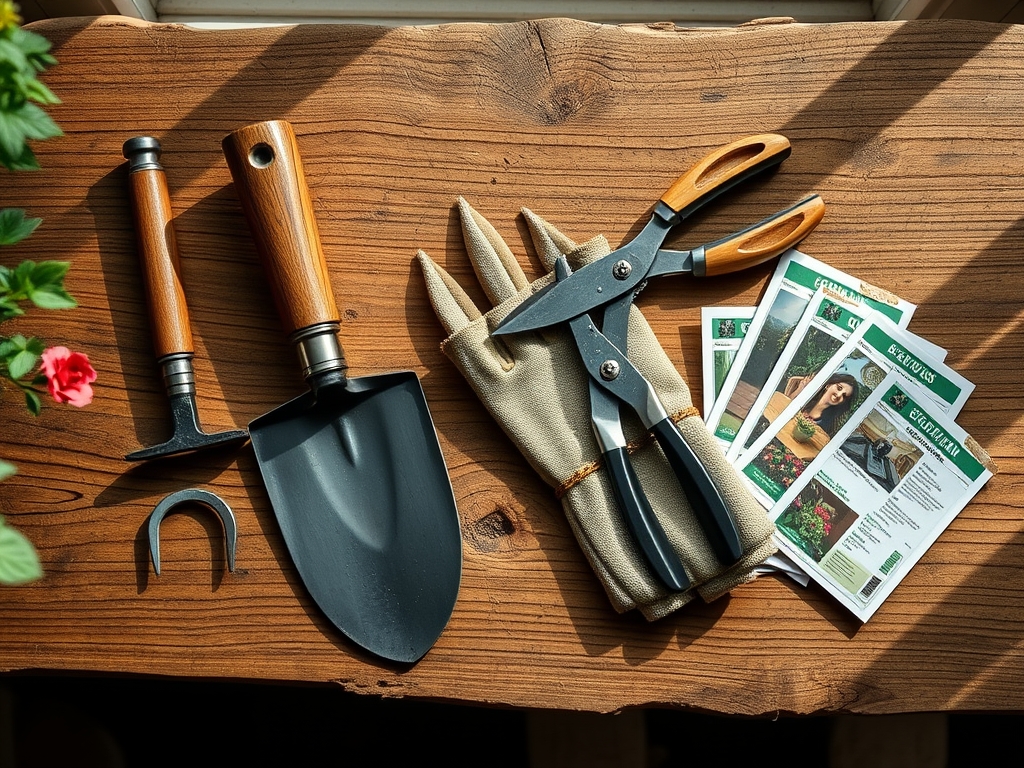
Post-construction maintenance requires monitoring the hydrologic balance. Use a soil moisture meter to ensure the area under and around the deck remains at a consistent moisture level without becoming waterlogged. Provide 1.5 inches of water per week at the drip line of any large trees affected by the construction. Utilize a hori-hori knife to remove any opportunistic weeds that penetrate the gravel border. Annually inspect the structural posts for signs of fungal colonization; use bypass pruners to clear any encroaching vegetation that might trap humidity against the wood, as this prevents the "bridge" for wood-destroying organisms.
The Yield:
While a deck is a structural element, the "yield" is the health of the surrounding landscape. If you have integrated planters into the deck design, harvest herbs and greens when the dew has dried but before the sun reaches its zenith. This ensures maximum essential oil concentration and peak turgidity. Use sharp floral snips to make a clean cut above a node, which stimulates auxin suppression and encourages lateral branching for a bushier, more productive plant. Place harvested greens immediately into a cool environment to slow the rate of senescence and preserve "day-one" freshness.
FAQ:
How deep should I excavate for a garden deck?
Excavate 4 to 6 inches of topsoil to remove organic matter. This prevents the growth of vegetation and the subsequent decay that can lead to fungal issues and structural instability under the deck frame.
What is the best base material for under a deck?
Use a non-woven geotextile fabric topped with 2 to 3 inches of clean, crushed gravel. This combination suppresses weeds and provides excellent drainage to keep the site dry and stable.
Do I need to treat the soil before building?
If the soil is highly alkaline due to construction debris, apply elemental sulfur. Ensure the site is clear of all "A-horizon" organic material to prevent the buildup of harmful gases during decomposition.
How do I protect nearby tree roots?
Avoid cutting roots larger than 2 inches in diameter. Maintain a distance of at least three times the trunk diameter when installing footings to prevent significant structural damage or nutrient uptake interference for the tree.
Can I use a weed membrane alone?
A membrane alone is insufficient; it requires gravel ballast to prevent UV degradation and to keep it in place. The gravel also provides a capillary break that is essential for moisture management.