7 Steps to Build a Custom Patterned Garden Patio
The smell of damp, disturbed earth signals the start of a structural intervention in the landscape. When you slice through the turf, you encounter the resistance of root masses and the cool, anaerobic scent of the subsoil. Mastering the steps for building a garden patio requires more than aesthetic intuition; it demands an understanding of soil physics and load-bearing capacity. You are not just laying stone; you are managing the interface between the built environment and the living rhizosphere. Success depends on the stability of the substrate and the management of hydraulic pressure. A patio built without regard for soil compaction or drainage will eventually succumb to the heave and thaw cycles of the local climate. By following precise engineering protocols, you ensure that the finished surface remains level while the surrounding flora thrives in a well-managed drainage environment.
Materials:
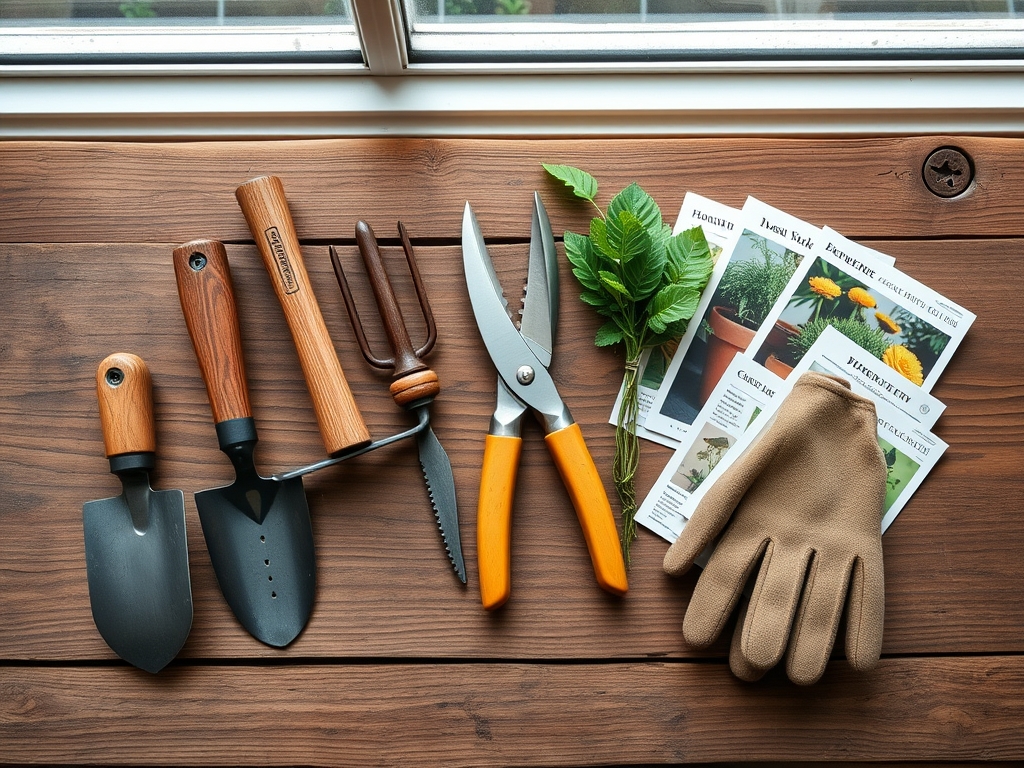
Before the first stone is set, the soil profile must be analyzed. Most garden patios are flanked by ornamental beds where a **pH of 6.2 to 6.8** is ideal for nutrient availability. The substrate beneath the patio must be inorganic and inert to prevent settling through decomposition. You require a base of **crushed 3/4-inch minus limestone** to create a stable foundation. For the surrounding planting zones, ensure the soil is a **friable loam** with a high Cation Exchange Capacity (CEC) to retain essential minerals. Incorporate a balanced NPK ratio of **10-10-10** into the peripheral soil to support root establishment post-construction. The physical texture of the bedding sand should be sharp and angular, not rounded, to facilitate mechanical interlocking between the pavers.
Timing:
Construction should align with the dormant season or early spring before the "Biological Clock" triggers the transition from vegetative to reproductive stages in surrounding perennials. In Hardiness Zones 5 through 7, the ideal window opens after the last hard frost when the soil moisture levels allow for compaction without creating a "plastic" state. Avoid heavy excavation when the soil is saturated; this collapses the macropores and destroys soil structure. Aim for a period when the soil temperature is consistently above 45 degrees Fahrenheit, ensuring that any peripheral transplanting occurs while the plants have high turgor pressure and low transpiration rates.
Phases:
Sowing the Foundation
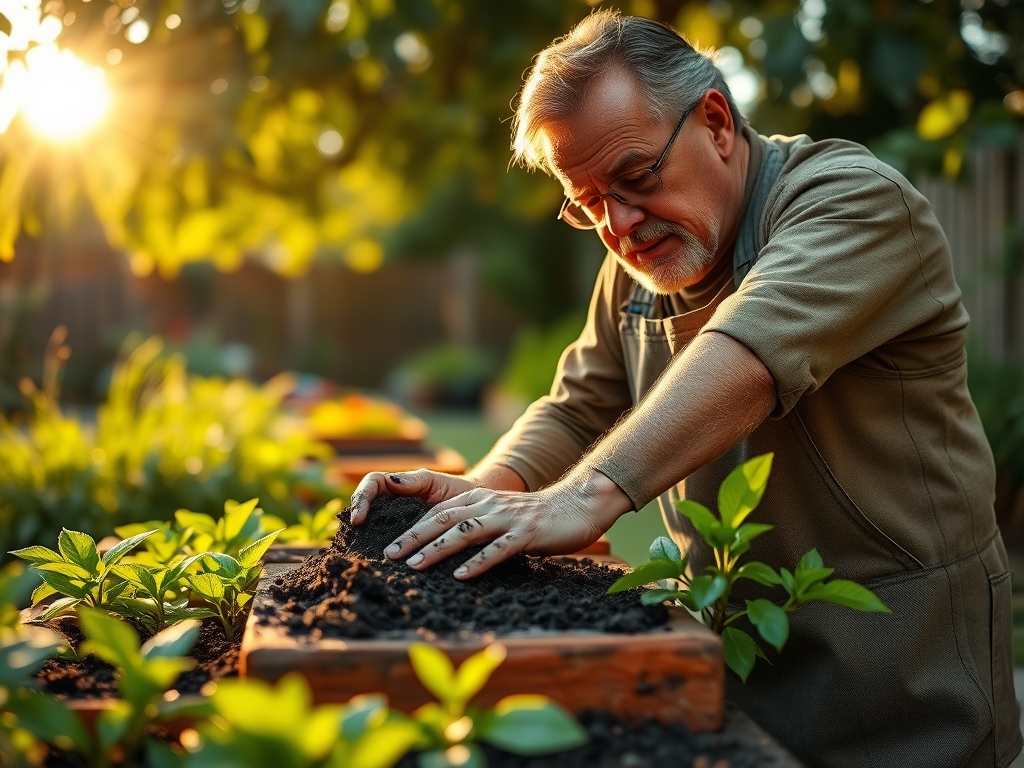
Excavate to a depth of 8 inches to allow for a 4-inch sub-base, a 1-inch sand setting bed, and the thickness of the paver. Use a plate compactor to reach a 95 percent Proctor density. This prevents the future subsidence of the stones which can lead to pooling water and fungal pathogens in the nearby turf.
Pro-Tip: Proper compaction prevents the formation of air pockets that can host anaerobic bacteria. Maintaining soil density ensures that water moves via capillary action toward the drainage exit rather than stagnating.
Transplanting Peripheral Flora
When the hardscape is set, focus on the transition zone. Dig holes twice the width of the root ball for any edge-softening plants. Ensure the crown of the plant sits 0.5 inches above the soil line to prevent stem rot.
Pro-Tip: Use a mycorrhizal inoculant during transplanting. This fungal symbiosis increases the effective root surface area, allowing the plant to scavenge phosphorus more efficiently in the disturbed soil of a construction site.
Establishing the Pattern
Lay the pavers in your chosen pattern, such as a herringbone or running bond, starting from a fixed 90-degree corner. Maintain a 1/8-inch joint between units. Sweep polymeric sand into the joints to lock the units in place and prevent weed seed germination.
Pro-Tip: Avoid tight "butt joints." Leaving a small gap allows for thermal expansion and contraction. Without this, the stones may chip or heave due to the internal pressure of the material as temperatures fluctuate.
The Clinic:
Physiological disorders often manifest in plants adjacent to new hardscapes due to changes in reflectivity and drainage.
-
Symptom: Interveinal chlorosis on new leaves.
-
Solution: This indicates a Manganese or Iron deficiency, often caused by lime leaching from the new concrete or stone, which raises the soil pH. Apply elemental sulfur to lower the pH to the 6.5 range.
-
Symptom: Marginal leaf scorch or wilting despite moist soil.
-
Solution: This is likely Heat Stress from the thermal mass of the patio. Increase mulch depth to 3 inches to insulate the rhizosphere and reduce soil evaporation.
-
Symptom: Yellowing of lower leaves (Nitrogen chlorosis).
-
Fix-It: Apply a water-soluble fertilizer with a high first number (e.g., 20-10-10) to provide immediate nitrate availability to the root system.
Maintenance:
Precision is the hallmark of a professional gardener. Use a soil moisture meter to ensure the perimeter beds receive exactly 1.5 inches of water per week at the drip line. This prevents the "bathtub effect" where water collects at the edge of the compacted patio base. Use a hori-hori knife to remove any opportunistic weeds that attempt to breach the polymeric sand joints. Annual inspections should include checking for "settling" where the patio meets the soil; backfill any gaps with a mix of 70 percent loam and 30 percent organic compost to maintain a seamless transition. For woody ornamentals, use bypass pruners to maintain a 12-inch clearance from the patio surface to ensure airflow and prevent the buildup of foliar moisture.
The Yield:
If your patio includes integrated planters for herbs or cut flowers, harvest timing is critical for essential oil concentration. For herbs like basil or rosemary, harvest in the early morning after the dew has evaporated but before the sun reaches its zenith. This is when turgor pressure is at its peak and volatile oils are most concentrated. Use sharp snips to make a clean cut just above a node to encourage lateral branching. For "day-one" freshness, immediately plunge the stems into 40-degree Fahrenheit water to arrest the process of senescence and maintain cellular integrity.
FAQ:
What is the best base material for a patio?
Use a 4-inch layer of crushed 3/4-inch minus limestone. This provides a stable, well-draining foundation that resists shifting. Compact the material in 2-inch lifts using a power tamper to ensure maximum density and structural integrity.
How do I prevent weeds between pavers?
Fill joints with polymeric sand. This material contains binders that harden when misted with water, creating a flexible but impenetrable seal. This barrier prevents wind-blown seeds from reaching the substrate and germinating in the joints.
Can I build a patio over tree roots?
Avoid excavating within the Critical Root Zone (CRZ), typically one foot of radius for every inch of trunk diameter. Cutting large structural roots compromises the tree's stability and disrupts the uptake of water and essential minerals.
How do I ensure proper patio drainage?
Maintain a minimum slope of 2 percent, or a 1/4-inch drop per linear foot, away from any structures. This prevents hydrostatic pressure from building up against foundations and ensures that runoff does not saturate the surrounding plant root zones.