7 Tips for Quick Maintenance of Garden Hand Tools
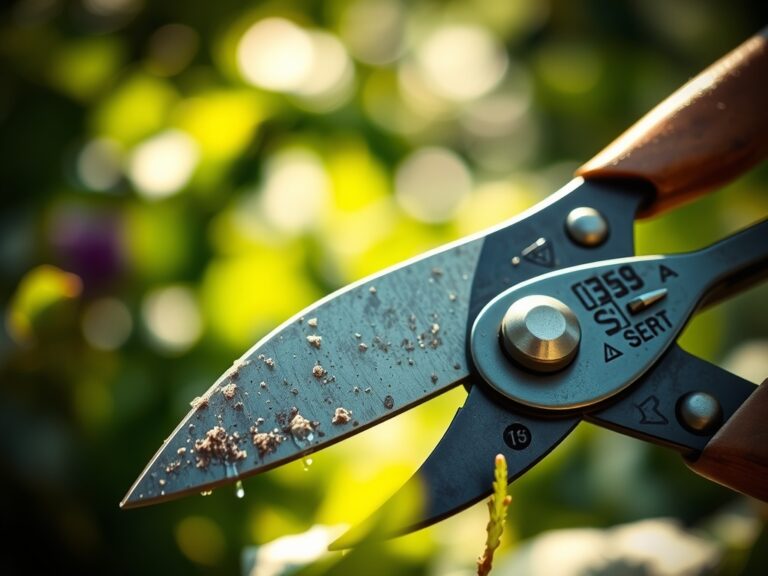
The scent of damp earth and the crisp turgor of a healthy leaf define the success of a productive growing season. High turgor pressure within plant cells indicates optimal hydration and nutrient transport through the xylem; however, this physiological health is compromised when dull or contaminated blades tear at plant tissue. Using a cleaning task for garden tools is the fundamental baseline for preventing the spread of soil-borne pathogens like Fusarium or Phytophthora. When a gardener employs a sharp, sterile bypass pruner, the resulting clean cut allows the plant to seal the wound rapidly through the production of callus tissue. Conversely, jagged tears from unmaintained steel create entry points for opportunistic fungi. Maintaining your kit is not a chore; it is a mechanical necessity that ensures the vascular integrity of every specimen in the rhizosphere. By integrating sterilization into your daily workflow, you eliminate the primary vector for systemic infection across your landscape.
Materials:
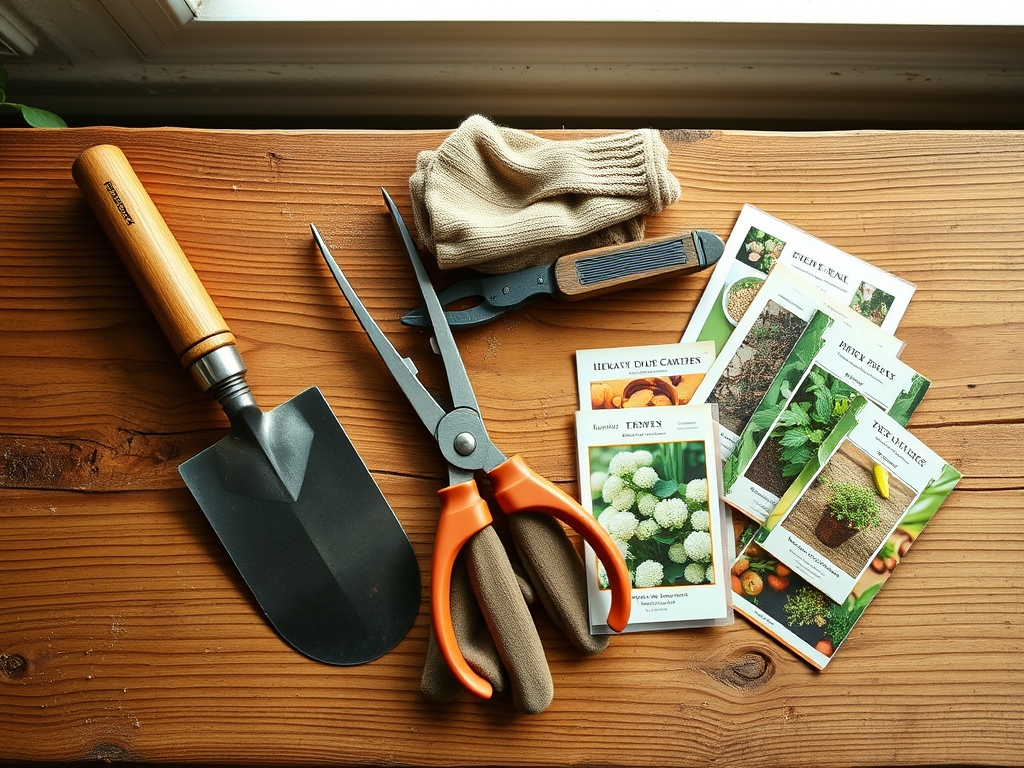
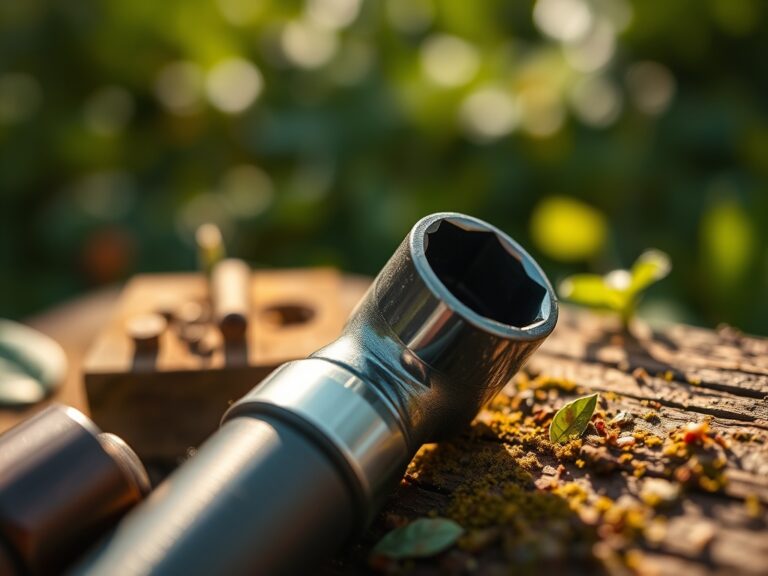
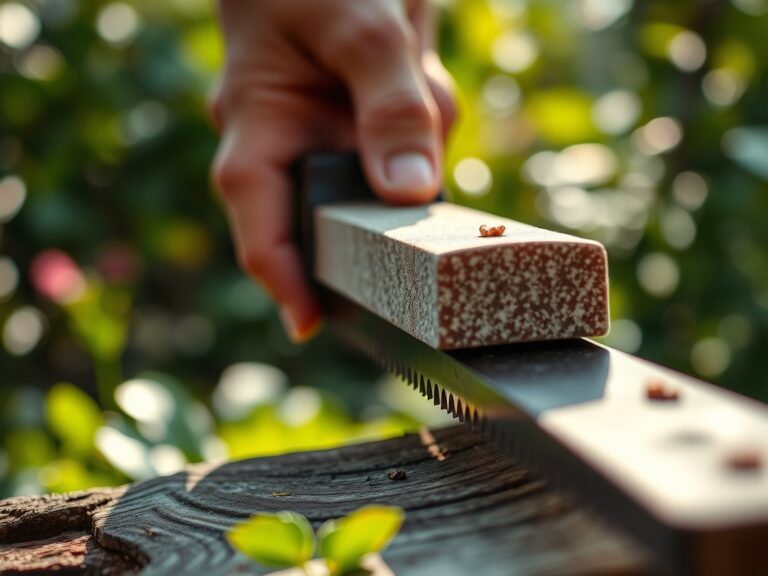
Proper maintenance requires an understanding of the chemical environment where these tools operate. Most garden soils thrive at a **pH of 6.0 to 7.0**, a range that maximizes **Cation Exchange Capacity (CEC)**. However, the friable loam that supports a balanced **10-10-10 NPK ratio** is also abrasive to metal. To counter the corrosive effects of moist, acidic soil, you must utilize specific materials. You require a **300-grit diamond file** for sharpening, **70 percent isopropyl alcohol** for sterilization, and a **penetrating linseed oil** to prevent oxidation. The physical texture of the ideal substrate, a gritty yet silty loam, acts as a natural abrasive that can strip factory coatings, necessitating a secondary barrier of mineral oil after every deep clean.
Timing:
Maintenance schedules must align with the biological clock of the garden. In Hardiness Zones 5 through 7, the primary maintenance window occurs during the dormant season, typically between the first hard frost and the spring thaw. As plants enter senescence, their metabolic processes slow, and the risk of sap-borne resin buildup on blades decreases. However, active maintenance is required during the transition from the vegetative stage to the reproductive stage. When plants begin flowering, their energy is diverted to seed production, making them more susceptible to stress. Sharpening tools before the last frost date ensures that early spring pruning does not crush the emerging vascular bundles of new growth.
Phases:

Sowing
Before the first seed hits the soil, every hand trowel must be free of oxidized scale. Rust particles can alter the localized soil chemistry, potentially affecting the delicate electrical conductivity (EC) levels required for seed germination. Scour all digging surfaces with a wire brush until the raw steel is visible.
Pro-Tip: Clean tools prevent the disruption of mycorrhizal symbiosis. Residual salts or chemicals on unwashed tools can inhibit the colonization of beneficial fungi that assist roots in phosphorus uptake.
Transplanting
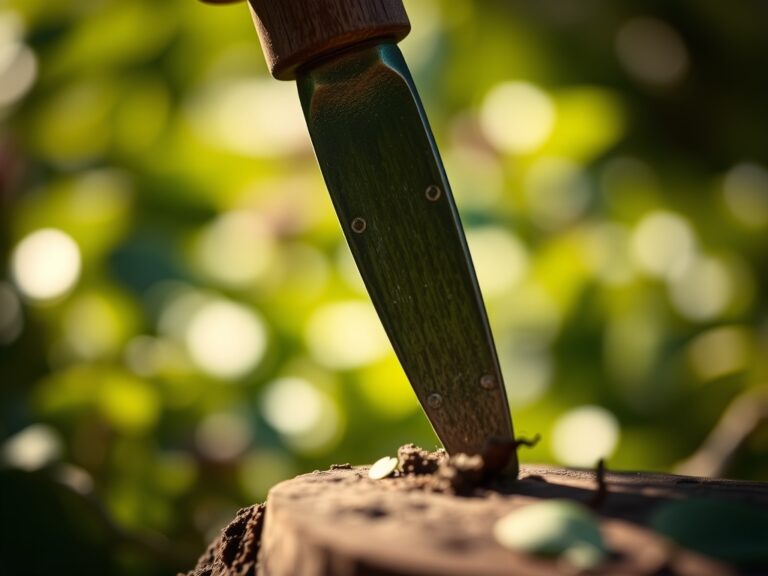
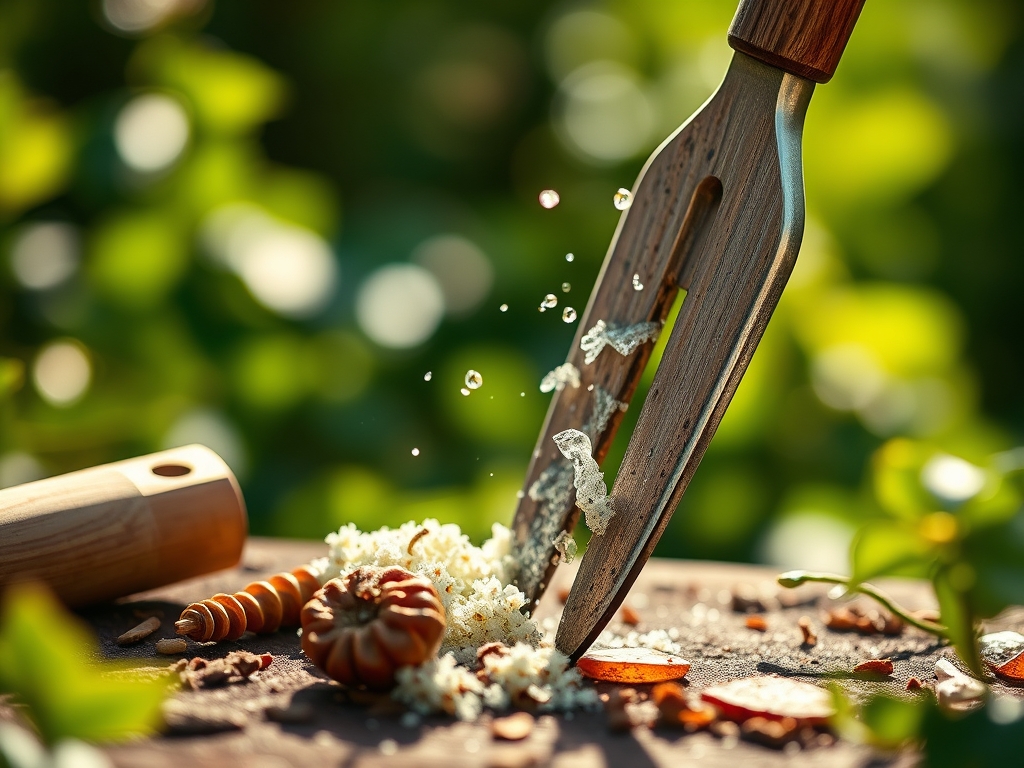
When moving a seedling into its permanent location, the hori-hori knife must be surgically sharp. This tool is used to slice through circling roots to encourage lateral growth. A dull blade will crush the root tips, leading to a localized cessation of auxin transport, which stunts the plant during its most critical establishment phase.
Pro-Tip: Sharp blades facilitate gravitropism. By making clean cuts on the root system, you allow the plant to redirect its growth hormones more efficiently toward downward expansion into the subsoil.
Establishing
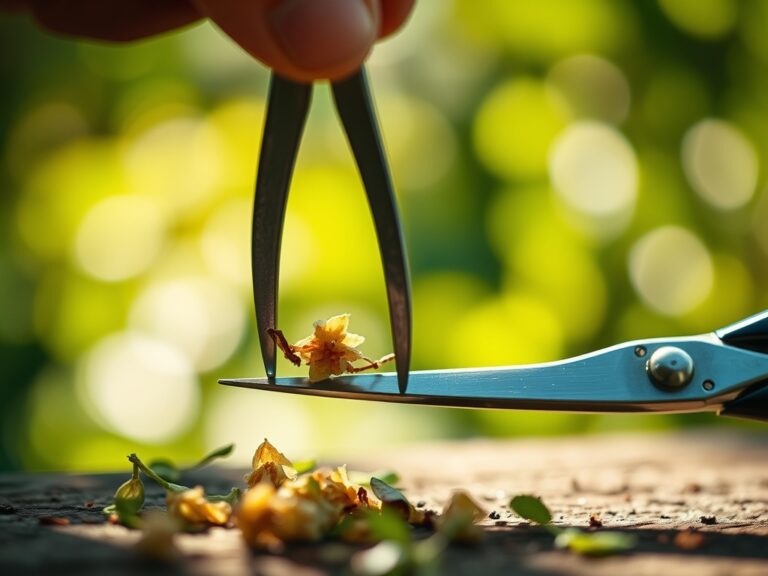
As the plant matures, maintenance shifts to the bypass pruners. These are used to manage the canopy and improve airflow. Every cut must be made at a 45-degree angle away from the bud. This prevents water from pooling on the wound, which could lead to stem rot.
Pro-Tip: Precise pruning manages phototropism. By removing non-productive interior branches with sterile shears, you allow light to reach the lower nodes, preventing the "leggy" growth associated with light deprivation.
The Clinic:
Even with the best tools, physiological disorders occur. Identifying the difference between mechanical damage and nutrient deficiency is vital.
Symptom: Interveinal chlorosis (yellowing between leaf veins).
Solution: This is often a sign of Magnesium deficiency. Apply a foliar spray of Epsom salts or adjust the soil pH if it has drifted above 7.5, which locks out micronutrients.
Symptom: Marginal leaf necrosis (browning of leaf edges).
Solution: This typically indicates Potassium deficiency or salt burn. Flush the root zone with 2.0 inches of water to leach excess salts and check the EC levels of your fertilizer.
Symptom: Stunted growth and dark purple undersides of leaves.
Solution: This is a classic Phosphorus deficiency, common in cold soils where microbial activity is low. Use a soil moisture meter to ensure the ground is not waterlogged, which prevents P-uptake.
Fix-It: For Nitrogen chlorosis, where the entire leaf turns pale green, apply a high-nitrogen organic amendment like blood meal. Ensure your soil moisture meter reads between 40 and 60 percent capacity to facilitate nutrient mobility.
Maintenance:
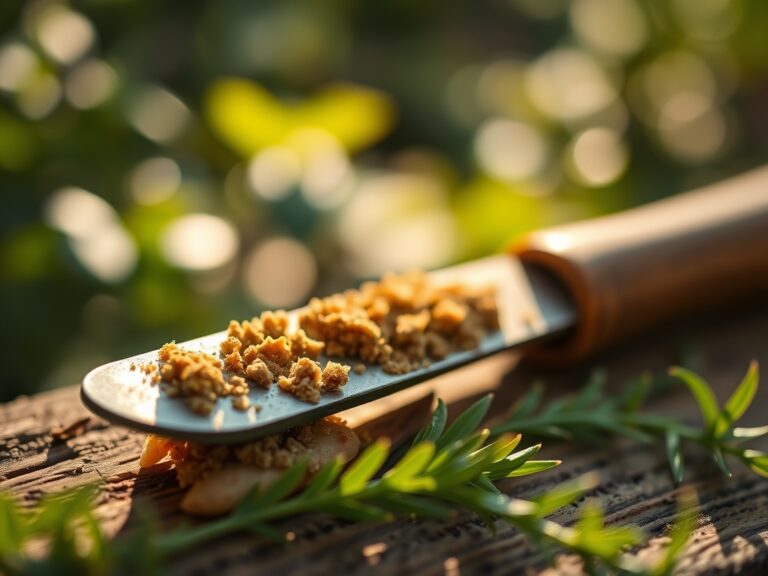
To maintain a high-functioning garden, your tools must be as calibrated as your irrigation. Deliver 1.5 inches of water per week at the drip line using a soaker hose to minimize foliar moisture. After use, wipe your bypass pruners with a dry cloth to remove sap. Sap contains sugars that, if left to dry, harbor bacteria. Once a week, submerge the heads of your hori-hori knife and trowels in a bucket of sand mixed with SAE 30 motor oil. This provides a microscopic protective layer against moisture. Check your soil moisture meter probes for oxidation; use fine steel wool to keep the sensors sensitive to the electrical signals of the soil solution.
The Yield:
Harvesting is the final mechanical interaction between tool and plant. For leafy greens, harvest in the early morning when turgor pressure is at its peak. Use a sharp harvesting knife to make a single, swift cut. This minimizes the surface area of the wound, slowing the rate of transpiration post-harvest. For fruiting crops like peppers or tomatoes, use snips rather than pulling by hand to avoid damaging the main stem's vascular tissue. Immediately after harvest, plunge the produce into a 40-degree Fahrenheit water bath to remove field heat. This process, known as hydro-cooling, preserves the cellular structure and ensures "day-one" freshness for extended storage.
FAQ:
How often should I sharpen my bypass pruners?
Sharpen every 10 to 15 hours of active use. If the blade tears the bark rather than slicing cleanly, the metal has lost its edge. Use a diamond file to maintain a 20-degree bevel.
Can I use bleach to disinfect my garden tools?
Avoid bleach as it causes pitting and corrosion on high-carbon steel. Use 70 percent isopropyl alcohol or a 10 percent solution of trisodium phosphate (TSP) to kill pathogens without damaging the tool's structural integrity.
Why is my hori-hori knife rusting despite storage?
Rust occurs when the steel reacts with oxygen and moisture. High humidity in tool sheds accelerates this. Store tools in a bucket of oiled sand to create an airtight seal that prevents oxidation.
What is the best way to remove dried sap?
Apply a solvent like turpentine or specialized sap remover. Let it sit for 60 seconds, then scrub with a stiff brush. Removing sap is critical to prevent the blades from sticking and tearing plant fibers.